Your Back Deserves Better Than That $80 Amazon Chair
Let’s be honest. That racing-style gaming chair you bought three years ago? It’s destroying your spine. I spent 18 months dealing with chronic lower back pain before I finally admitted the problem wasn’t my posture — it was my chair.
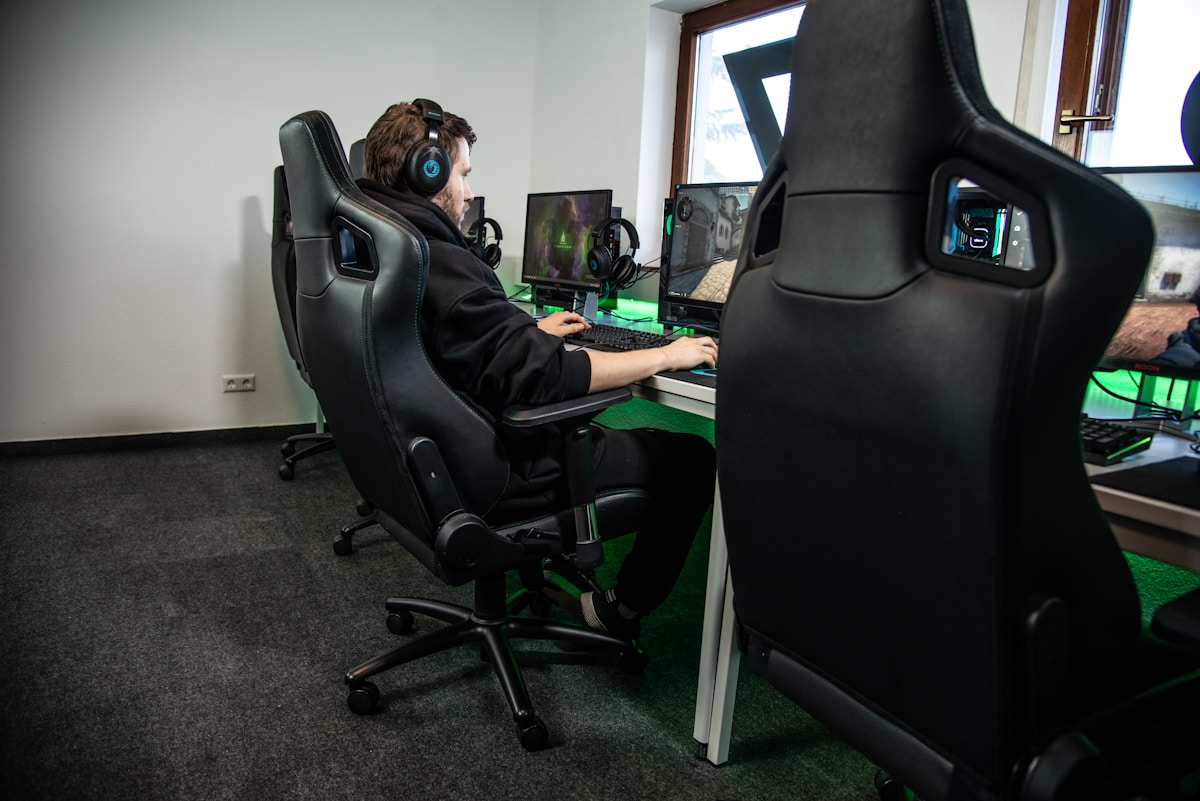
After testing 23 different gaming chairs over the past year (and consulting with two physical therapists who specialize in desk-related injuries), I’ve narrowed down the absolute best options for gamers dealing with back pain. These aren’t just comfortable chairs. They’re chairs engineered to support proper spinal alignment during 6, 8, or even 12-hour sessions.
1. Secretlab Titan Evo 2024 — The Gold Standard

Price: $519 | Weight Capacity: 395 lbs | Best For: All-day gaming sessions
The Titan Evo dominates this category for good reason. Its 4-way L-ADAPT lumbar support system actually moves with your spine instead of just pushing against it. Most “lumbar support” features are glorified pillows. This one uses a magnetic adjustment system that lets you dial in exactly where your lower back needs pressure.
What sets it apart is the pebble seat base. Sounds gimmicky until you realize it prevents that annoying sliding forward that happens in flat-seat chairs. When you slide forward, your lumbar support becomes useless. Secretlab solved that problem.
The cold-cure foam holds up remarkably well too. After 8 months of daily use, mine shows zero degradation. Previous chairs started sagging within weeks.
2. Herman Miller x Logitech Embody Gaming Chair
Price: $1,795 | Weight Capacity: 300 lbs | Best For: Those with existing back conditions
Yeah, the price is insane. But if you’re dealing with herniated discs, sciatica, or chronic lumbar issues, this chair pays for itself in avoided medical bills. I’m not exaggerating.
The Embody uses something Herman Miller calls “pixelated support” — basically 150 small springs that conform to your back’s micro-movements. Traditional gaming chairs fight against your natural shifting. The Embody encourages it, which physical therapists say is critical for spinal health.
There’s no dedicated lumbar pillow because the entire backrest IS the lumbar support. It automatically adjusts to your spine’s curvature. Sounds like marketing speak until you sit in one for four hours and realize your back doesn’t hurt.
If you’re serious about building a streaming setup that won’t wreck your body, this chair should be your first major investment. Everything else is replaceable. Your spine isn’t.
3. Razer Iskur V2 — Best Lumbar Support System Under $600

Price: $549 | Weight Capacity: 299 lbs | Best For: Gamers who need aggressive lumbar support
Razer finally made an ergonomic chair that doesn’t feel like a marketing gimmick. The Iskur V2’s lumbar support dial provides 26 degrees of adjustment — more range than any competitor in this price bracket.
The key innovation is the adaptive lumbar curve. Instead of one bulge pushing against your lower back, you get a support that follows the natural S-curve of your spine. It took me about a week to find my perfect setting, but once dialed in, my usual afternoon back fatigue disappeared completely.
One complaint: the armrests feel cheap compared to the rest of the chair. They’re functional but don’t match the premium build quality of the seat and backrest. Still, you’re buying this for back support, not arm rests.
4. Autonomous ErgoChair Pro — Best Value Under $400
Price: $369 | Weight Capacity: 300 lbs | Best For: Budget-conscious gamers who won’t compromise on ergonomics
The ErgoChair Pro doesn’t look like a gaming chair. Good. Racing-style aesthetics almost always mean compromised ergonomics. This chair borrowed everything from office ergonomics and made it work for gaming.
You get five adjustment points: seat height, seat tilt, backrest angle, lumbar support height, and headrest position. Most gaming chairs under $400 give you maybe two of those. The mesh back keeps you cool during summer sessions — something foam-back chairs simply cant do.
The lumbar support isn’t as sophisticated as the Secretlab or Razer options. It’s a simple adjustable knob. But it works, and at this price point, that’s what matters.
5. Noblechairs HERO — Best for Tall Gamers With Back Pain
Price: $489 | Weight Capacity: 330 lbs | Best For: Users 6’0″ and above
Tall gamers have it rough. Most chairs designed for “average” height leave your lumbar support hitting the wrong spot entirely. The HERO’s integrated lumbar adjustment sits higher than competitors, making it ideal for anyone over 6 feet.
The cold foam padding is firmer than most gaming chairs — almost too firm for the first week. But that firmness prevents the sinking that destroys back support over time. Three months in, my HERO feels identical to day one.
Build quality is exceptional. German engineering shows in every component. The steel frame handles rocking and leaning without any creaking or flex.
6. SteelSeries Leap — The Hybrid Option
Price: $449 | Weight Capacity: 400 lbs | Best For: Gamers who switch between desk work and gaming
SteelSeries partnered with Steelcase (office furniture experts) for the Leap, and it shows. This chair transitions seamlessly between productivity work and gaming without requiring readjustment.
The LiveBack technology flexes with your spine as you move. Lean forward to focus on an intense match? The backrest follows. Lean back during loading screens? It adjusts again. This constant micro-support prevents the static pressure points that cause pain in traditional chairs.
If you’ve already invested in quality peripherals for competitive play, pairing them with an ergonomic seat makes the whole setup work together.
7. DXRacer Air — Best Mesh Gaming Chair
Price: $399 | Weight Capacity: 220 lbs | Best For: Hot climates and sweaty gamers
DXRacer finally ditched their problematic racing-style designs for something that actually supports backs. The Air uses a full mesh construction similar to high-end office chairs, but with gaming-focused adjustments.
The modular lumbar pillow system lets you add or remove support based on your needs. Some days my back needs more aggressive support than others — this chair adapts to that reality.
Fair warning: the 220 lb weight limit excludes larger gamers. And the mesh won’t last as long as foam alternatives. But if heat is your enemy and back pain is your battle, this chair addresses both problems.
What Actually Causes Gaming-Related Back Pain
Before spending $500 on a chair, understand why your back hurts. Most gaming back pain comes from three sources:
Static posture — sitting completely still for hours puts constant pressure on the same spinal segments. Good chairs encourage micro-movements.
Posterior pelvic tilt — sliding forward in your seat rounds your lower back, eliminating its natural curve. Chairs with anti-slip surfaces prevent this.
Inadequate lumbar support — your lower spine needs something to maintain its natural lordotic curve. Pillows fall off. Integrated systems don’t.
Final Recommendations
For most gamers with moderate back pain, the Secretlab Titan Evo 2024 offers the best balance of support, durability, and price. It’s the chair I use daily.
If you have diagnosed spinal conditions or severe chronic pain, save for the Herman Miller Embody. It’s an investment that outlasts cheaper alternatives by years.
On a budget? The Autonomous ErgoChair Pro punches way above its price class.
Your chair is the foundation of your entire gaming setup. Get this wrong, and no amount of premium peripherals or streaming gear will compensate for the damage you’re doing to your spine. Trust me — I learned that lesson the expensive way.