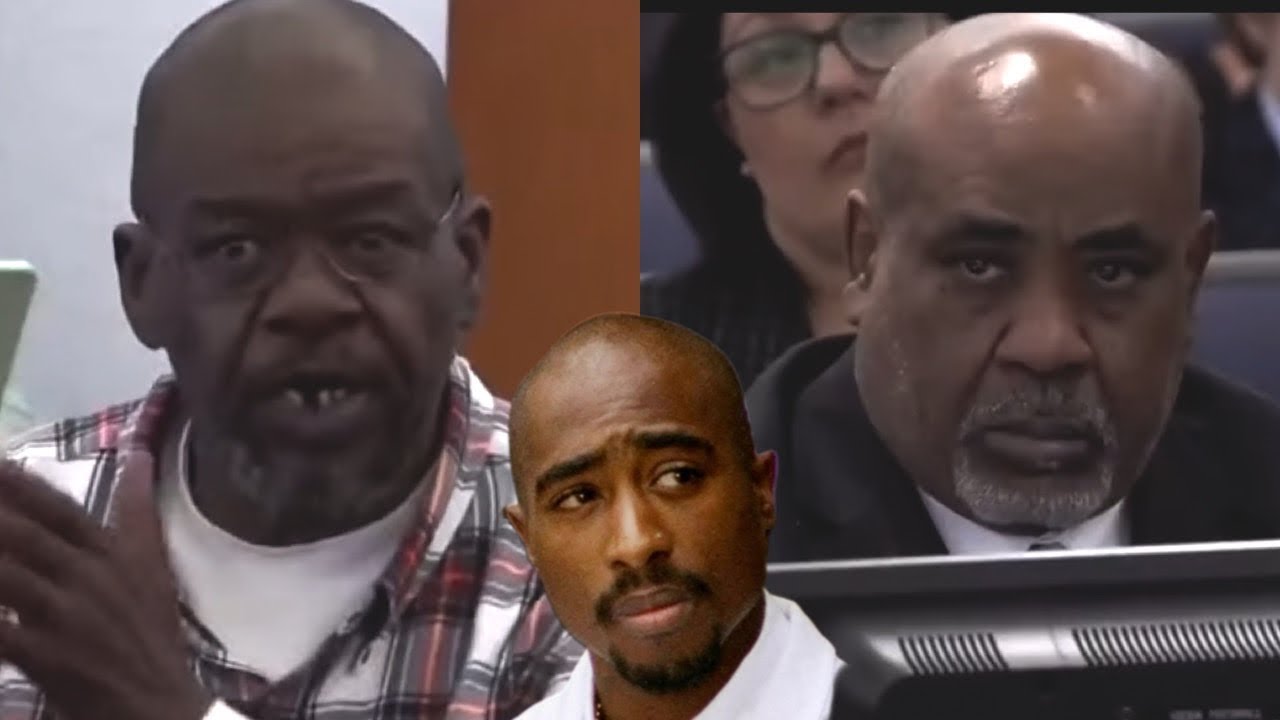
The silence from the Cleveland rap legend has been deafening, but today it was shattered with a fury that echoed through social media. In an emotional, expletive-laced video posted to his 9 Mag TV platform, Layzie Bone, a founding member of the multi-platinum group Bone Thugs-N-Harmony, has publicly declared he will not be joining the group’s highly anticipated 2026 co-headlining tour with the Wu-Tang Clan. The announcement comes as a shock to millions of fans who have awaited this monumental crossover of 1990s hip-hop titans, but Layzie’s message is clear: he was not invited, and he is placing the blame squarely on the shoulders of the three members slated to hit the stage.
The video, recorded on a somber Sunday that Layzie notes is the anniversary of his mother’s passing, quickly pivots from personal grief to professional betrayal. He addresses the flood of direct messages he has received from confused and angry fans, who have been cussing him out under the assumption that he chose to sit out of the tour. With a palpable sense of indignation, Layzie sets the record straight, insisting that the decision was entirely out of his hands.
 He claims his bags were packed, merchandise was ordered, and his mindset was fully committed to performing, only to be told at the last minute that he was not going.
The core of Layzie’s frustration lies in the communication—or lack thereof—from his longtime bandmates. He details a chaotic back-and-forth where he was told he was going, then he wasn’t, leaving him in a state of limbo until a single text message the day before the tour’s announcement solidified his exclusion. This comes after a year of internal strife within the group, which Layzie admits to, but he believed that issues were resolved following the group’s Hollywood Walk of Fame ceremony.
He now feels blindsided, asserting that he was left in the dark about all Bone business and tour negotiations with Live Nation.
In his address, Layzie Bone is unflinching in his assessment of his own role within the group’s history. He repeatedly refers to himself as “the glue,” the member who held the faction together through decades of personal and professional turmoil. He argues that he has spent over 35 years building the brand, and it would be illogical for him to voluntarily walk away from the financial and legacy benefits of a tour that pairs them with one of the most dominant groups of the era.
He frames his exclusion not as a personal choice, but as a forced removal by forces he cannot control, urging fans to direct their questions to the three members who are performing.
The emotional weight of the video is undeniable, as Layzie oscillates between anger, hurt, and a defensive love for his brothers. He makes a point to clarify that his absence does not equate to a dissolution of his familial bond with the group, stating that his love for Bone Thugs-N-Harmony remains unconditional. He vows that if a real issue were to arise for his brothers on the road, he would still be the first to come to their defense, a testament to the complex, often contradictory nature of long-standing group dynamics in the music industry.
However, he is firm that his character is being “toyed with and played with” to a level he will not tolerate.
Layzie’s narrative is one of an artist who was prepared for a career-defining moment, only to have it snatched away. He details the financial investments he made in preparation for the tour, including ordering new t-shirts, hats, CDs, and posters for his solo album, “LayzieBone 999. com.”
He speaks of his creative energy, his desire to “shine and compete on the highest level,” and his willingness to agree to every stipulation Bone required of him. The image he paints is of a professional ready to work, only to be met with silence and a final, crushing verdict that left him on the sidelines.
The timing of the announcement adds another layer of poignancy, as Layzie is visibly emotional about the date, which serves as a dual reminder of his mother’s birthday and her passing. He uses this moment to reflect on the “dash” between the dates on a tombstone, representing the time we have on Earth to live and leave a legacy. He frames his current fight as a battle to keep his own legacy “pristine and clean,” promising that he will not let anyone tarnish it, not even his own brothers.
This philosophical turn grounds his anger in a deeper sense of mortality and purpose.
As the video progresses, Layzie’s tone shifts from accusatory to a defiant declaration of independence. He is adamant that he is a “hustler” and will get his due, regardless of the tour’s outcome. He promotes his new album and his website, urging fans to support him directly.
He frames his departure from the tour not as an end, but as a new beginning, a chance to live his “dash” on his own terms. The message is a powerful reminder that even within a legendary group, individual identity and ambition can create seismic rifts that play out in the public eye.
The hip-hop community is now left to speculate on the internal dynamics that led to this public rupture. Layzie’s claim that he was told he wasn’t going, despite his willingness to comply with all demands, suggests a decision made at the highest level of the group’s management or by the other members themselves. He specifically names “them three y’all see out there,” indicating that the touring lineup consists of a trio, leaving the other original members, including Krayzie Bone and Bizzy Bone, out of the equation as well.
 This raises questions about the current legal and personal standing of the group’s name and touring rights.
The reference to the Hollywood Walk of Fame is crucial, as it was seen as a unifying moment for the group. Layzie’s assertion that he believed all was good after that event suggests that a reconciliation had been attempted, only to be undone by subsequent, undisclosed business dealings. He mentions having “issues” earlier in the year, which he says he took “like a man,” but he now feels that those issues were used as a pretext to exclude him from the biggest tour of their recent career.
The lack of clarity from the other members is a vacuum that Layzie is filling with his own narrative.
From a journalistic perspective, this is a developing story with multiple layers. There is the immediate news of Layzie’s absence, the contractual and interpersonal 𝒹𝓇𝒶𝓂𝒶 within Bone Thugs-N-Harmony, and the broader implications for the tour’s marketing and fan reception. The fact that Live Nation is involved, a major promoter, suggests that the lineup was solidified at a corporate level, which may have overridden any internal objections from Layzie.
His mention of receiving a call “the day before” indicates a lack of transparency that goes beyond mere scheduling conflicts.
Layzie’s insistence that he is not the one to blame is a strategic move to control the narrative. By preemptively addressing the fan backlash, he is attempting to position himself as the victim of a decision made by others, thereby preserving his relationship with the Bone Thugs fanbase. He is also leveraging the moment to promote his solo work, turning a negative situation into a promotional opportunity.
This is a classic move of a veteran artist who understands the power of publicity, even negative publicity, to drive attention to his own projects.
The emotional core of the video, however, is the palpable sense of betrayal. Layzie speaks of being “left in the dark,” of sending texts that went unanswered, and of being put “on hold” and “on pause.” He describes a feeling of being toyed with, a psychological manipulation that is often more damaging than outright rejection.
His repetition of “I was going, I wasn’t going” highlights the mental whiplash he experienced, a period of uncertainty that he claims has now resolved into a painful certainty.
As he concludes his address, Layzie makes a final plea for understanding and support. He asks fans not to DM him with questions about the tour, directing them instead to the performing members. He reiterates his love for the group and his brothers, but he draws a firm line, stating that his character will not be played with.
The video ends with a prayer, thanking God for clearing his mind, and a promotion for his new album, leaving fans with the image of a man who is wounded but unbowed, ready to fight for his own legacy.
The implications for the 2026 tour are significant. While Bone Thugs-N-Harmony will still perform, the absence of Layzie Bone, a key vocal architect of their signature rapid-fire harmonic style, will be felt by purists. The tour, which was meant to be a celebration of 1990s hip-hop dominance, is now overshadowed by the specter of internal discord.
It remains to be seen how the other members will respond to Layzie’s public challenge, and whether they will offer a counter-narrative that could further fracture the group’s legacy.
 For now, the ball is in the court of the three touring members. Layzie has thrown down the gauntlet, demanding they explain why they “put him off the road.” His challenge is direct: “Let them tell me why they put me off the road.
Cuz I didn’t put myself off the road.” This is not a quiet resignation; it is a public call to accountability, a demand for transparency in an industry often shrouded in secrecy. The coming days will likely bring responses, denials, or further accusations, as the saga of Bone Thugs-N-Harmony takes another dramatic turn.
The fan reaction has been immediate and polarized. On social media, hashtags related to Layzie Bone are trending, with many expressing outrage on his behalf, while others are calling for more information before passing judgment. The narrative of “the glue” being left behind resonates with fans who have followed the group’s turbulent history.
The story is a stark reminder of how the business of music can strain the bonds of brotherhood, turning a triumphant reunion into a public spectacle of discord.
Layzie’s reference to his mother’s passing adds a layer of solemnity to the proceedings. He mentions that he tries not to remember the day, as it coincides with her birthday, and he uses the moment to reflect on the fragility of life. This personal context humanizes the business dispute, reminding listeners that behind the bravado and the beats, there are real people dealing with grief, pride, and the weight of a shared history.
It is a poignant reminder that the “dash” between birth and death is filled with moments of both triumph and heartbreak.
The business acumen displayed in the video is sharp. Layzie is not just venting; he is strategically positioning himself. He mentions his new album, his merchandise, and his website, ensuring that his fans know exactly where to direct their support.
He is converting a moment of professional setback into a platform for personal promotion. This is the mark of a survivor in the music industry, someone who has learned to navigate the treacherous waters of fame and fortune by always keeping his own ship afloat.
The question now is what this means for the future of Bone Thugs-N-Harmony. Is this a temporary rift that will be healed after the tour, or is it a permanent fracture? Layzie’s statement that “this don’t come between family” suggests a desire to maintain a relationship, but his firm stance on his character being disrespected indicates a deep wound that may not easily heal.
The group has weathered storms before, but this public airing of grievances on the eve of a major tour could have lasting consequences.
From a historical perspective, this is another chapter in the long, complicated story of one of hip-hop’s most influential groups. Bone Thugs-N-Harmony, known for their melodic flows and dark, spiritual subject matter, have always been a collective of strong personalities. The tension between individual ambition and group cohesion has been a recurring theme throughout their career.
This latest conflict is a continuation of that narrative, playing out on a larger stage with higher stakes.
The role of Live Nation in this dispute cannot be overlooked. As the promoter, they would have had a say in the final lineup, likely based on contractual agreements with the group. If Layzie was not under contract for this specific tour, or if the group’s legal entity decided to move forward without him, his options would be limited.
 His claim that he was told he wasn’t going suggests a top-down decision that he was powerless to overturn, a frustrating position for a founding member.
The video’s raw, unfiltered nature is a double-edged sword. On one hand, it provides a transparent look into the artist’s mindset, endearing him to fans who appreciate his honesty. On the other hand, it exposes internal conflicts that might have been better handled privately.
The use of profanity and the emotional outbursts could be seen as unprofessional by some, but for others, it is a sign of authenticity in a world of manufactured PR statements.
Layzie’s assertion that he is “living his dash” is a powerful mantra. It suggests a focus on the present moment and the legacy he is building, rather than dwelling on past grievances or future uncertainties. By promoting his solo work, he is taking control of his own narrative, refusing to be defined solely by his association with Bone Thugs-N-Harmony.
This is a declaration of independence that could signal a new phase in his career, one where he is the primary architect of his own destiny.
The impact on the tour itself is yet to be determined. Will fans boycott in protest, or will the allure of seeing the remaining members alongside Wu-Tang Clan be too strong to resist? The promoters will be watching ticket sales closely, and any significant dip could force a reassessment of the lineup.
However, contractual obligations and egos may prevent any last-minute changes, leaving the tour to proceed with the three-member configuration.
As the story continues to develop, the other members of Bone Thugs-N-Harmony will likely be forced to respond. Their silence, for now, is deafening. Layzie has put the ball in their court, and the hip-hop world is waiting to see if they will accept the challenge or ignore it.
The outcome of this public dispute will not only affect the tour but could also shape the legacy of the group for years to come.
In the meantime, Layzie Bone is using his platform to connect with his audience on a personal level. He speaks of his love for his fans, his dedication to his craft, and his commitment to his own path. The video, while born of frustration, is ultimately a message of resilience.
It is a statement that he will not be sidelined, that his voice will be heard, and that his legacy will be defined by his own actions, not by the decisions of others.
The breaking news here is not just the absence from a tour; it is the public unraveling of a brotherhood that has been a cornerstone of hip-hop for over three decades. The emotional depth of Layzie’s plea, combined with the strategic promotion of his solo career, creates a complex narrative that will dominate headlines in the coming days. The fans are left to wonder: what really happened behind closed doors, and will the group ever truly reunite in its full, original form?
For now, Layzie Bone has made his position clear. He is not on the tour, it was not his choice, and he wants the world to know it. His message is a powerful reminder that in the world of entertainment, the show must go on, but the stories behind the show are often the most compelling.
As the 2026 tour approaches, the shadow of this controversy will loom large, a testament to the enduring power of the music and the complex men who create it.