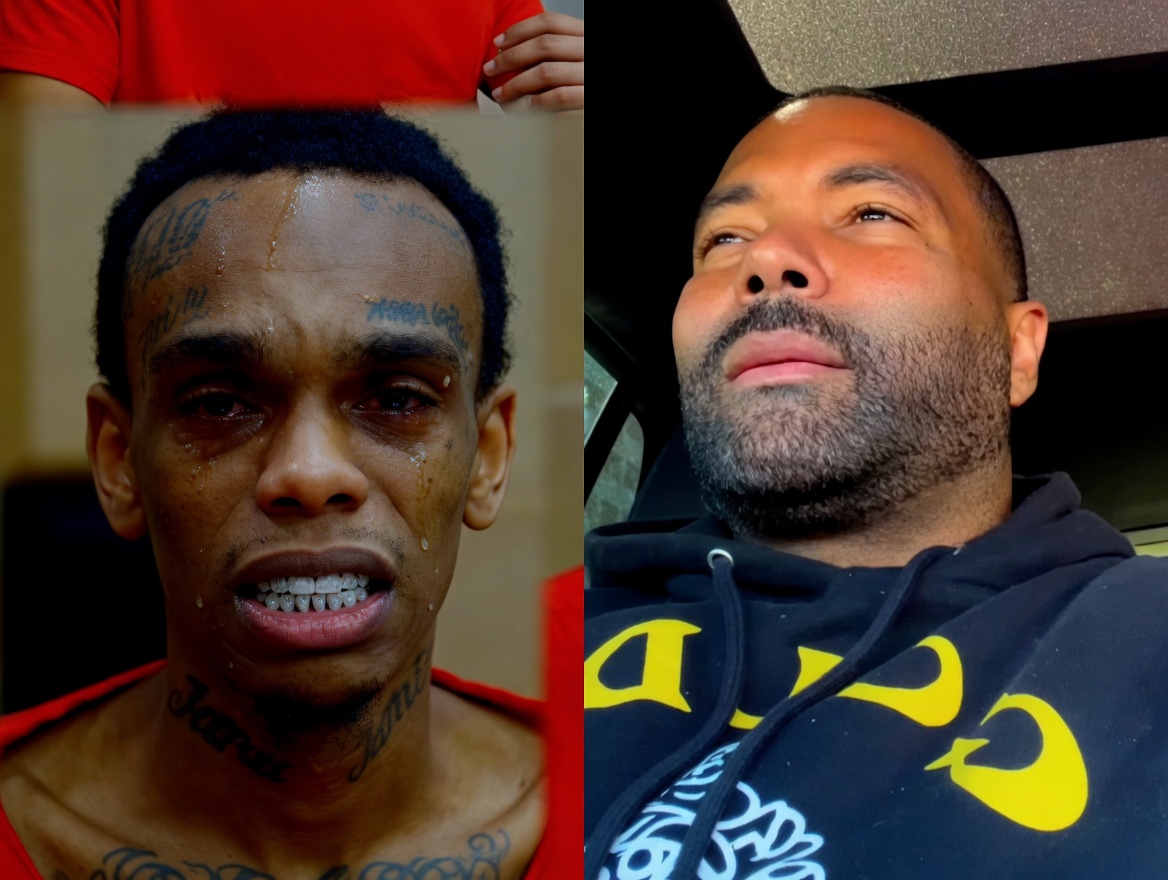
In the fast-paced world of hip-hop commentary and entertainment media, Charleston White has once again drawn attention with his straightforward reaction to a trending discussion. The commentator weighed in on Big Bank’s recent appearance on Revolt TV, where the host explained his decision to sit down for an interview with 6ix9ine. This moment has sparked widespread conversations across social platforms, highlighting the ongoing influence of podcast culture and online narratives in shaping public views within the music industry.
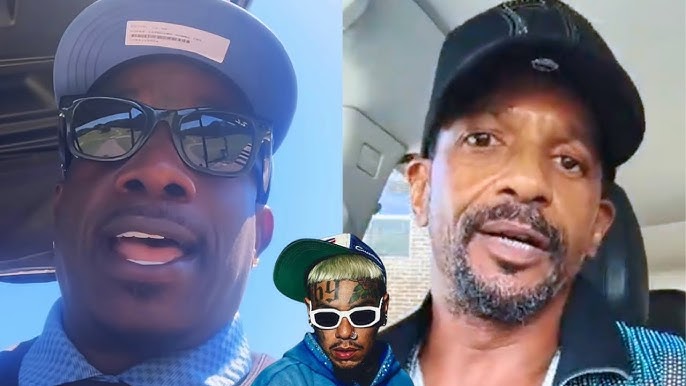
Charleston White expressed clear disappointment with how the Revolt segment unfolded, noting that Big Bank seemed caught off guard during the conversation. He pointed out specific parts where the discussion appeared unbalanced, suggesting that the format and questions left Big Bank in a challenging position. According to White, the exchange highlighted broader issues with how media platforms handle high-profile interviews, especially when dealing with controversial figures like 6ix9ine.
The reaction video captured White analyzing the panel discussion that included other industry voices such as Ray Daniels, Parlae, and Dewberry. He broke down key moments, focusing on how Big Bank addressed the backlash from his earlier interview with 6ix9ine. White emphasized the importance of preparation and platform choice, suggesting that certain outlets may not always provide the best environment for thoughtful dialogue.
One area White focused on was the role of loyalty and accountability in hip-hop culture. He discussed how public figures navigate personal and professional relationships, especially when online opinions amplify every decision. White shared his perspective on the need for open conversations that prioritize respect and understanding, rather than letting external pressures dictate the narrative. His comments encouraged a balanced approach to media appearances, where creators can maintain their credibility while engaging with diverse viewpoints.
White also touched on the practical side of media production, criticizing Revolt for what he described as limited resources in supporting guests and hosts. He recalled his own experiences with the platform, mentioning offers to participate in interviews without proper accommodations like travel support. This led him to explore other options, such as more established shows that offer better opportunities for reach and compensation. His insights shed light on the behind-the-scenes realities that many in entertainment face when building their presence.

The conversation extended to the broader impact of internet culture on hip-hop discussions. White noted how viral clips and social media reactions can quickly shape perceptions, often turning a single interview into a larger debate. He highlighted the power of platforms in influencing fan opinions and industry dynamics, encouraging everyone to consider the long-term effects of online engagement. This perspective resonated with many who follow the evolving landscape of music media.
Throughout his breakdown, White maintained a mix of analysis and personal reflection. He addressed the public criticism directed at Big Bank, offering thoughts on how to handle such moments with grace and focus. White suggested that while accountability is important, constructive feedback can help individuals grow rather than face unnecessary setbacks. His approach demonstrated a thoughtful way of engaging with current events in the entertainment world.
Fans and followers have responded positively to White’s commentary, appreciating his direct style and willingness to discuss industry challenges openly. Many shared their own views on the Revolt segment, noting how it sparked debates about interview ethics, loyalty in the culture, and the role of media in hip-hop. The discussion has contributed to ongoing conversations about creating more supportive environments for artists and commentators.
White’s reaction also included lighter moments, such as a phone call segment that added humor and relatability to the video. He connected with family while sharing insights on everyday topics, blending personal stories with professional analysis. This human touch helped make the content more engaging, showing how personal experiences often inform public commentary.
In the wider context of hip-hop entertainment, moments like this underscore the influence of digital platforms on traditional media. White pointed out how podcast culture and livestreams have transformed the way information spreads, allowing for quicker reactions and broader participation. He encouraged creators to adapt to these changes while staying true to their values and maintaining professional standards.
The viral nature of the original 6ix9ine interview and its follow-up on Revolt has highlighted the competitive side of media appearances. White discussed how such exchanges can affect reputations and opportunities, urging a focus on substance over sensationalism. His comments served as a reminder of the importance of thoughtful preparation and clear communication in high-visibility settings.
As the entertainment industry continues to evolve, commentators like Charleston White play a key role in guiding discussions and offering fresh perspectives. His analysis of the Revolt appearance added depth to the conversation, encouraging viewers to think critically about media dynamics and cultural values. The response across platforms shows a strong interest in these topics, with many appreciating the balance of critique and encouragement.
White wrapped up his thoughts by reflecting on the positive potential of open dialogue in hip-hop. He expressed hope that future interactions would focus on growth, respect, and collaboration, helping the culture thrive in a digital age. This forward-looking message aligned with his overall style, which combines honest feedback with an emphasis on unity and progress.
The ongoing buzz around Big Bank’s Revolt defense continues to engage fans, sparking new ideas about media responsibility and artist accountability. White’s reaction has contributed meaningfully to these talks, providing context and insights that enrich the entertainment landscape. Supporters value his ability to connect complex industry issues with relatable examples, making his content both informative and entertaining.
As more voices join the conversation, the hip-hop community benefits from diverse perspectives that highlight both challenges and opportunities. White’s take on the situation serves as a valuable contribution, reminding everyone of the power of thoughtful commentary in shaping narratives. His work encourages a culture of respect and learning, which remains essential for the industry’s future.
The intersection of podcast culture, social media, and traditional platforms creates exciting possibilities for content creators. White’s observations on these elements offer guidance for navigating the modern media environment, where adaptability and authenticity lead to lasting impact. Fans continue to follow his updates, drawn to the engaging style that makes complex topics accessible and relevant.
This latest reaction from Charleston White adds to his reputation as a keen observer of entertainment trends. By addressing the Revolt discussion with clarity and depth, he has sparked meaningful exchanges that extend beyond a single event. The conversation around loyalty, media choices, and online influence reflects broader themes in hip-hop that continue to captivate audiences worldwide.

Supporters appreciate how White balances critique with constructive ideas, fostering an environment where growth and understanding take center stage. His insights into the Big Bank segment have helped frame the discussion in a positive light, focusing on lessons that can benefit the entire community. As entertainment media evolves, voices like his play an important role in keeping the focus on creativity and connection.
The response to White’s commentary highlights the strong interest in hip-hop media dynamics. Many have shared similar experiences with platform challenges, using the moment to discuss ways to improve support for creators. This collective engagement strengthens the industry, promoting collaboration and innovation across various formats.
White’s ability to weave personal reflections into broader analysis makes his content stand out. The reaction video not only addressed the Revolt appearance but also touched on themes of reputation and respect that resonate deeply in entertainment circles. His thoughtful approach encourages viewers to consider multiple angles before forming opinions.
As the entertainment world embraces digital transformation, discussions like this one become increasingly valuable. Charleston White’s perspective on the 6ix9ine interview defense adds richness to the ongoing narrative, inviting fans to explore new ideas and appreciate the complexities of media culture. His contributions continue to inspire and inform, keeping the conversation lively and relevant.
Overall, Charleston White’s reaction provides a compelling look at current events in hip-hop entertainment. By sharing his views on the Revolt panel and its implications, he has helped illuminate key issues while maintaining an engaging and accessible style. Fans and industry insiders alike benefit from such open dialogue, which fosters greater understanding and appreciation for the art of commentary in today’s media landscape.