The hip-hop world is buzzing with the latest developments in the high-profile legal battle surrounding music mogul Sean “Diddy” Combs. Fresh allegations have surfaced that could potentially add significant time to his sentence, sparking intense reactions across the entertainment industry and drawing the family of the late Notorious B.I.G. into the fray. This new chapter adds another layer of complexity to an already closely watched case that has captivated fans and observers alike.
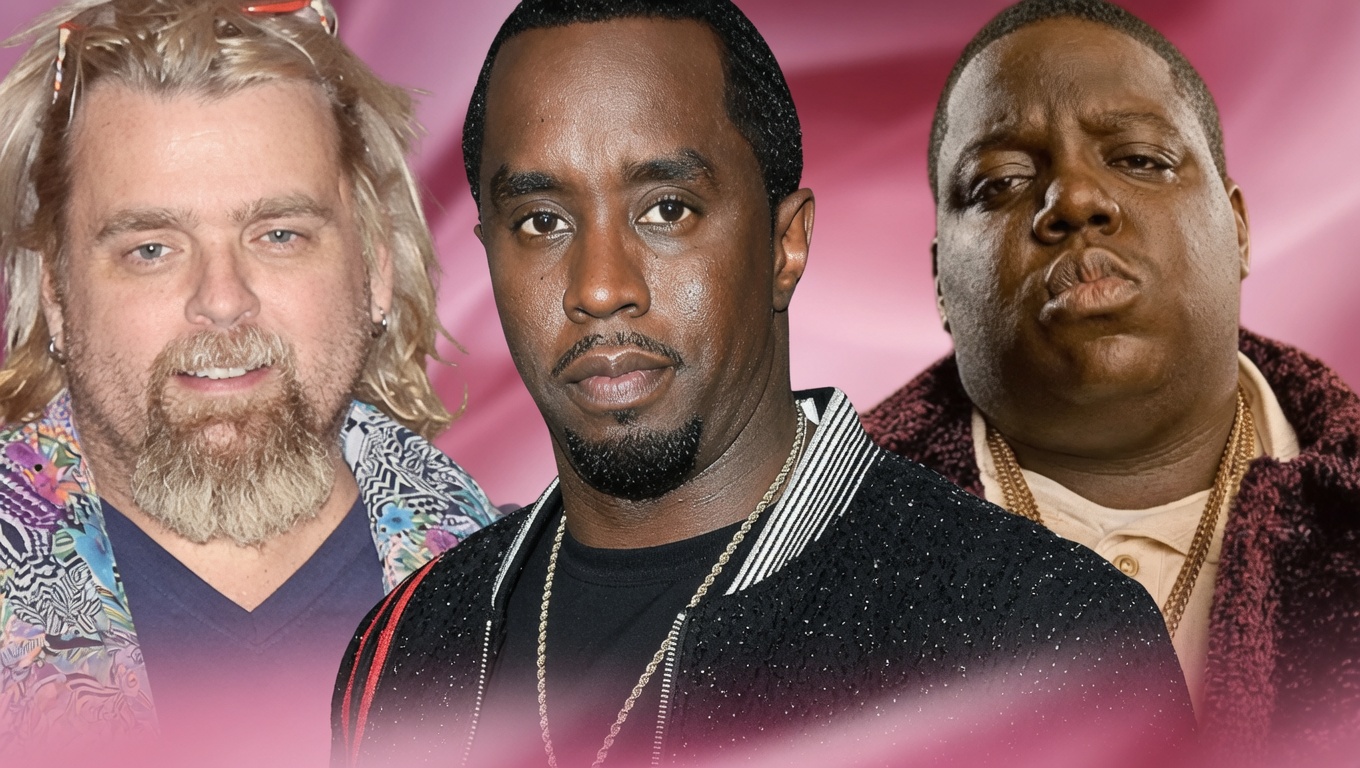
Diddy, who is currently serving time related to earlier charges, now faces additional scrutiny following claims brought forward by music producer and publicist Jonathan Haye. The allegations, dating back to 2020 and 2021, stem from a music project that involved Biggie’s son, CJ Wallace. According to reports, the claims include a disturbing incident at a Los Angeles warehouse where personal items belonging to the late Biggie Smalls were stored, as well as a subsequent alleged confrontation during a return trip to the city. These details have sent shockwaves through the hip-hop community, raising questions about power dynamics and accountability in the music business.
The legal process is now in motion. Haye filed a police report in September 2025, and after investigation by the Los Angeles Police Department, the case has been handed over to the District Attorney’s office for review on whether to file formal charges. If convicted on the new allegations, Diddy could face up to four additional years in prison along with lifetime registration as a sex offender. This potential extension of his sentence has only intensified public interest and debate surrounding the case.
In response, Diddy’s legal team has strongly denied the accusations, describing them as baseless and motivated by a desire for financial gain and public attention. They maintain that the claims lack credibility and are part of a broader pattern of attacks against their client. On the other side of the legal divide, CJ Wallace has filed a defamation lawsuit against Haye. His attorney has labeled the accusations as “complete fantasy,” emphasizing that CJ was present during key moments and is prepared to vigorously defend the family name in court. This back-and-forth has created a tense and dramatic legal standoff that continues to unfold in the public eye.
The involvement of Biggie’s family has added an emotional and cultural dimension to the proceedings. As one of hip-hop’s most iconic figures, Biggie Smalls’ legacy carries immense weight, and any claims touching on his memory naturally draw strong reactions. Fans and industry insiders are reflecting on how these developments intersect with the broader narrative of 1990s hip-hop, a period marked by both extraordinary creativity and complex personal and professional relationships. The situation serves as a reminder of how past events can resurface and influence current perceptions of legendary artists and their circles.
This latest twist comes amid a wave of ongoing scrutiny for Diddy. Documentaries and media projects have already explored aspects of his career and associations, including questions raised about his relationships with other prominent figures in the industry. Additional lawsuits, including one from Tupac’s family, have kept his name in the headlines. Together, these elements paint a picture of a once-dominant entertainment empire facing unprecedented challenges on multiple fronts.

Public reaction has been sharply divided, as is often the case in high-stakes celebrity legal matters. Some voices are calling for full transparency and accountability, arguing that all allegations deserve thorough investigation regardless of the accused’s status or wealth. Others are urging caution, emphasizing the importance of due process and the presumption of innocence until proven guilty in a court of law. This split reflects broader societal conversations about power, fame, and justice that extend far beyond the music industry.
For many fans, the case has prompted deeper reflection on the legacies of hip-hop’s golden era. Biggie’s influence on the genre remains profound, and any narrative involving his name or family naturally stirs strong emotions. Supporters of both Diddy and the Wallace family are vocal in their positions, creating a charged atmosphere where every new development is analyzed and debated across social media platforms and entertainment outlets.
Industry observers note that cases like this highlight ongoing challenges within the music business, particularly around issues of power imbalances, contract disputes, and personal conduct. While the specifics of this situation remain subject to legal proceedings, the broader conversation about accountability and ethical behavior in entertainment continues to gain momentum. Many hope that these discussions will ultimately lead to a healthier, more transparent industry for current and future artists.
Despite the drama, there is also a sense of resilience within the hip-hop community. Artists and fans alike are finding ways to celebrate the music and culture that emerged from difficult circumstances while advocating for positive change. The focus on family protection, as seen in CJ Wallace’s legal response, resonates with many who value loyalty and legacy above all else.
As the legal process moves forward, all eyes will remain on the courtroom and the court of public opinion. The outcome of the District Attorney’s review and the defamation lawsuit will likely have ripple effects throughout the entertainment world. For now, the story serves as a compelling reminder of how quickly narratives can shift in the digital age and how deeply personal and professional lives intersect in the spotlight.
Tee Grizzley, no, wait, this is Diddy’s story, but the energy of triumph and reflection applies across hip-hop. Whether through music, business, or public discourse, the culture continues to evolve, learning from its past while striving for a more equitable future. Diddy’s case, with all its twists and turns, is just one chapter in a much larger narrative of ambition, controversy, and the enduring power of artistic legacy.
Fans and observers are encouraged to follow the developments with an open mind, recognizing that legal matters are best resolved through proper channels rather than speculation. The hope is that truth and justice will prevail, allowing the focus to eventually return to the music and the positive contributions these artists have made to the world.
In the meantime, the hip-hop community remains as passionate and engaged as ever, debating, supporting, and reflecting on what these events mean for the culture they hold dear. It is a testament to the genre’s vitality that even in moments of controversy, the conversation continues with energy, intelligence, and a deep love for the art form that has changed so many lives.
As more information emerges from the legal proceedings, one thing remains certain: the story of Diddy, Biggie, and the wider hip-hop family is far from over. It will continue to captivate, educate, and inspire dialogue about fame, power, family, and the complex journey of those who live their lives in the public eye. For now, the world watches and waits, hopeful for clarity and resolution in what has become one of the most talked-about sagas in modern entertainment history.