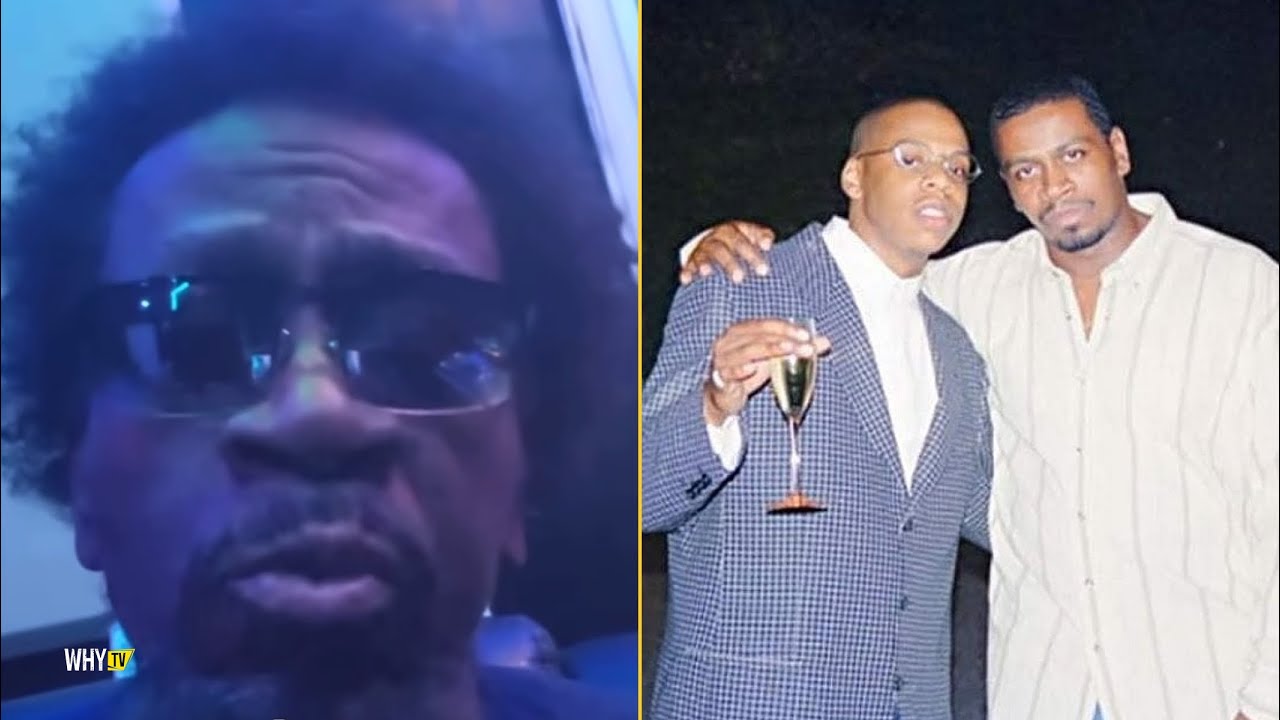
The legendary West Coast rapper Daz Dillinger has ignited a firestorm in the hip-hop community by revealing his decision to take legal action against his longtime collaborator and cousin, Snoop Dogg, in an explosive new interview. In a candid and emotional conversation on the Perspectives with Bank Podcast, Daz laid bare the financial grievances and personal betrayals that have driven a wedge between two of the most iconic figures in gangsta rap history. The interview, which premiered today, has already sent shockwaves through the industry, with fans and insiders alike scrambling to understand the depth of the rift.
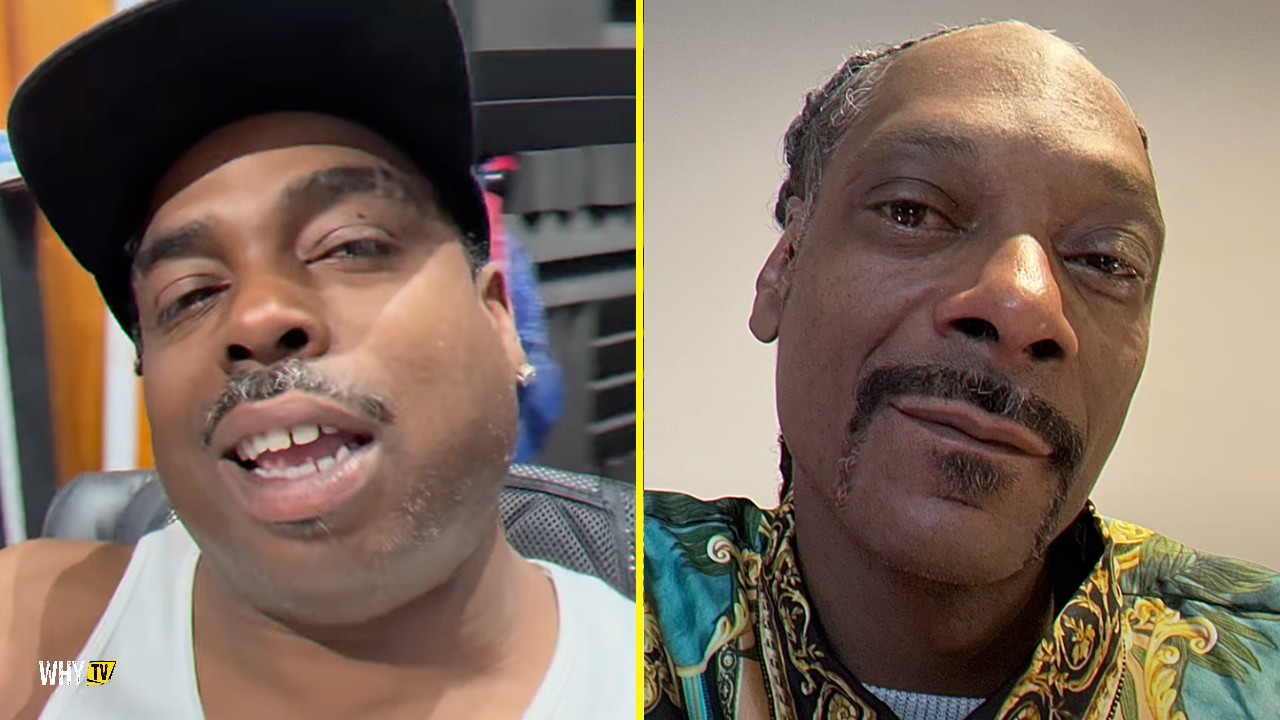 Daz Dillinger, born Delmar Drew Arnaud, did not mince words when discussing the lawsuit, which he initially framed as a broader battle before zeroing in on Snoop Dogg. When asked directly about suing his cousin, Daz clarified that his legal target extends beyond Snoop, but the core of his complaint is rooted in decades of unpaid royalties and a perceived lack of respect for his contributions to the music that defined an era. He stated emphatically that he is seeking what he believes is rightfully his, a move that threatens to unravel the storied history of the Dogg Pound and Death Row Records.
The interview transcript reveals a raw and unfiltered Daz, who explained that the lawsuit is not merely about money but about truth and recognition. He detailed how he has been forced to watch others profit from his creative work while he struggles to claim his share. The rapper’s frustration was palpable as he described the immense wealth flowing through the music industry, a river of cash that he feels has bypassed him for too long. This is not a petty squabble, he suggested, but a necessary stand for artistic and financial justice.
Daz’s specific claim revolves around producer royalties and publishing rights, assets he says he has been denied despite being a foundational architect of the G-funk sound. He asserted that while he holds a stake in Snoop Dogg’s catalog, it is a fraction of what he is owed, leaving him with only 85% of the publishing in his own musical world. This imbalance, he argued, is unsustainable and has forced his hand. The legal action, he implied, is the only language that the industry understands when billions are at stake.
The podcast host pressed Daz on whether a simple conversation with Snoop could have resolved the issue, a question that hung in the air like a ghost of their past brotherhood. Daz’s response was a sobering dose of reality, suggesting that the financial stakes are too high for a casual chat to fix. He indicated that the money involved has created a tunnel of greed, one that requires a legal battering ram to break through. The implication was clear: trust has been eroded by years of perceived neglect.
This revelation paints a complex picture of two men who once stood side by side as pillars of West Coast hip-hop. Daz and Snoop’s collaboration on classic albums like Doggystyle and The Chronic helped define the 1990s sound, but behind the scenes, the relationship appears to have fractured under the weight of commerce. Daz’s decision to sue is not just a legal maneuver but a public declaration that the brotherhood has been compromised by business interests that prioritize profit over partnership.
The timing of this interview is particularly potent, as it comes during a period of renewed interest in Death Row Records history and the legacy of its artists. Daz’s willingness to speak out threatens to rewrite the narrative of one of rap’s most celebrated dynasties. He is not just seeking money; he is demanding that the truth be told about who really built the empire and who has been left behind in the gold rush of streaming and catalog sales.
Fans have already taken to social media to express their shock and support, with many questioning whether Snoop Dogg will respond to these allegations. The hip-hop community is divided, with some arguing that Daz has a valid point about the exploitation of producers, while others see this as a sad end to a once-unbreakable bond. The podcast episode has become a trending topic, with listeners dissecting every word for clues about the future of their relationship.
Daz’s legal strategy appears to be multifaceted, targeting not just Snoop but also the Tupac estate and other entities he believes have profited from his work. This broader approach suggests that Daz is waging a war on multiple fronts, seeking to reclaim control over his legacy. He hinted that the lawsuit is just the beginning, with more revelations likely to emerge as the case proceeds through the courts. The rapper seems determined to expose what he sees as a systemic failure to compensate the true creators.
The interview also touched on the emotional toll of this battle, with Daz expressing a sense of betrayal that goes beyond financial loss. He spoke of a lifetime of contributions to the culture, only to be treated as an afterthought by those he once called family. This personal dimension adds a layer of tragedy to the story, as two cousins who grew up together in Long Beach now find themselves on opposite sides of a courtroom. The music that once united them has become a source of division.
Industry experts are already weighing in on the potential implications of this lawsuit, noting that it could set a precedent for how producer royalties are handled in the streaming age. If Daz succeeds, it might encourage other overlooked artists and producers to come forward with their own claims. The case could shine a spotlight on the opaque accounting practices that have long plagued the music business, forcing labels and artists to reexamine their contracts.
Snoop Dogg has not yet issued a public statement regarding the lawsuit, leaving his camp in a defensive posture. The silence from Snoop’s side is deafening, and it raises questions about whether he will attempt to settle the matter privately or fight it out in court. Given Snoop’s status as a global icon and businessman, the stakes are enormous, and any legal battle could drag on for years, consuming time and resources that could be spent on new music.
The Perspectives with Bank Podcast has become an unexpected battleground for this revelation, with the host skillfully navigating Daz’s emotions to extract the full story. The episode is being hailed as a must-listen for anyone interested in the true history of hip-hop, as Daz pulls back the curtain on the dark side of success. His candor is both refreshing and alarming, offering a glimpse into the struggles that often remain hidden behind the glitz and glamour of the music industry.
Daz’s decision to sue is also a reflection of a broader trend in the entertainment world, where artists are increasingly willing to challenge the status quo. From Taylor Swift’s re-recordings to Prince’s catalog battles, the fight for ownership has become a defining issue of the modern music era. Daz is positioning himself as a warrior for creators’ rights, using his platform to highlight the inequities that persist even for those who have achieved legendary status.
The legal documents filed by Daz are expected to reveal more details about the specific claims and the amount of money at stake. Sources close to the case suggest that the lawsuit could involve millions of dollars in back royalties, a sum that would represent a significant windfall for Daz if he prevails. However, the legal costs and emotional strain of such a battle are immense, and Daz has acknowledged that he is prepared for a long fight.
This story is developing rapidly, with more updates expected in the coming days as the hip-hop world digests the news. The interview has already sparked debates about loyalty, legacy, and the price of success in an industry that often rewards the few at the expense of the many. Daz Dillinger has thrown down the gauntlet, and the question now is whether Snoop Dogg will pick it up or seek a path to reconciliation.
For now, the ball is in Snoop’s court, and the world is watching to see how he responds. Daz has made it clear that he is not backing down, and his message is simple: let me tell the truth. The truth, as he sees it, is that he has been wronged, and he is willing to risk everything to set the record straight. Whether this leads to a courtroom showdown or a behind-the-scenes settlement remains to be seen, but one thing is certain: the legacy of Death Row Records will never be the same.
As the podcast episode continues to circulate, fans are left to ponder the deeper questions about the nature of artistic collaboration and the bonds that hold the hip-hop community together. Daz’s story is a cautionary tale about the dangers of mixing family and business, and a reminder that even the closest relationships can be shattered by the pursuit of wealth. The music industry is a harsh mistress, and Daz Dillinger is determined to have his day in court.
Stay tuned for more updates as this story develops, with exclusive insights and analysis from the Perspectives with Bank Podcast team. The interview with Daz Dillinger is a landmark moment in hip-hop journalism, offering an unfiltered look at the realities of the game. Whether you support Daz’s decision or question his motives, there is no denying that this is a story that will be talked about for years to come. The truth is finally being told, and it is more explosive than anyone could have imagined.