Are you tired of getting stuck on that one boss? Frustrated by constantly being outmaneuvered in your favorite competitive shooter? Maybe you just want to feel more confident and have more fun when you pick up the controller or sit down at your PC. Look, gaming isn’t just about raw talent; it’s a skill, and like any skill, you can absolutely improve with the right approach. Whether you’re a casual player or aspiring to go pro, these gaming tips are your roadmap to better performance and more enjoyment.
I’ve spent countless hours navigating virtual worlds, grinding through ranked ladders, and frankly, making a ton of mistakes so you don’t have to. You’ll find that a few simple tweaks to your mindset and approach can unlock a whole new level of play. Don’t overthink it, just start applying these ideas, and you’ll see results.
Mastering the Fundamentals: Your Gateway to Victory
Before you can pull off those highlight-reel plays, you’ve got to nail the basics. Think of it like learning to walk before you can run, or in this case, land a headshot. Neglecting these core principles is often why players hit a wall, so pay close attention.
Know Your Game Inside Out
This sounds obvious, right? But seriously, how many times have you jumped into a new game and just mashed buttons? Every game, from an epic RPG like Elden Ring to a fast-paced battle royale such as Apex Legends, has its own unique mechanics, systems, and unspoken rules.
Here’s what you need to focus on:
- Read the Tutorial (Yes, Really): It’s there for a reason. Don’t skip it. Those early explanations often save you hours of confusion later.
- Understand the Meta: In competitive games, the “meta” (most effective tactics available) shifts constantly. What characters are strong? What strategies are dominant right now? Watch professional players, read patch notes, and keep up with community discussions. You don’t have to follow it blindly, but understanding it gives you a massive advantage.
Learn Every Character/Weapon: Even if you main one character, knowing what every other character can do is crucial. If you play Overwatch*, for example, you need to know Tracer’s cooldowns to effectively counter her. This knowledge lets you anticipate enemy moves and exploit their weaknesses.
Tweak Those Settings for Peak Performance
Your game settings aren’t just for making things look pretty. They can directly impact your reaction time, visibility, and overall comfort. This is a big one many players overlook, thinking the default is good enough. It probably isn’t.
Take a look at these crucial adjustments:
- Sensitivity: This is huge for shooter and action games. Too high, and you’ll overshoot targets. Too low, and you can’t react quickly enough. Experiment in a practice range until it feels just right. There’s no magic number; it’s entirely personal. Many pro gamers use surprisingly low sensitivities.
- Visual Fidelity vs. Performance: Do you prioritize stunning graphics or a silky-smooth frame rate? In competitive games, always opt for performance. Drop those shadow details or anti-aliasing settings if it means hitting a consistent 144+ FPS. More frames mean more responsive gameplay and a clearer picture of what’s happening.
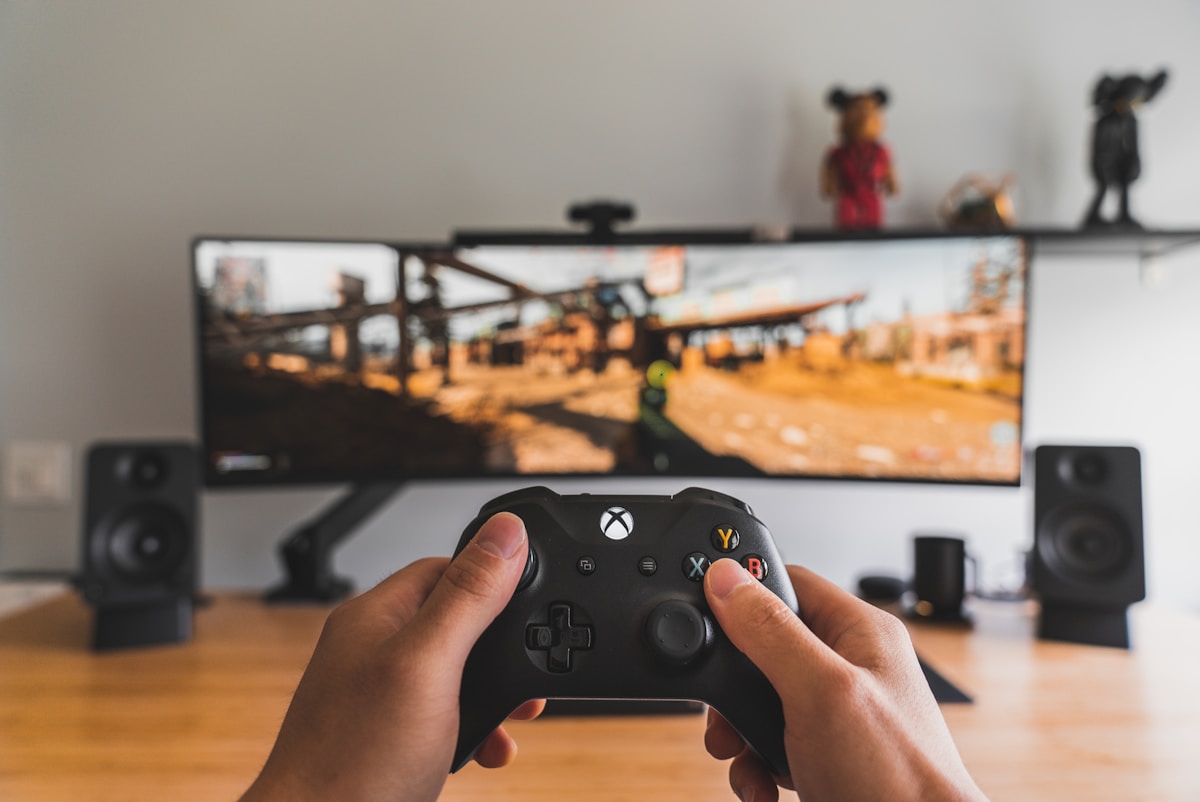
Keybinds/Controller Layout: The default layout isn’t always optimal for your* hands. Remap keys or buttons to positions that feel natural and allow you to execute actions without stretching or fumbling. For PC gamers, consider a gaming mouse with extra buttons.
Practice, Practice, Practice
There’s no shortcut here. Improvement comes from consistent effort. You won’t become a superstar overnight, but dedicated practice, even for short bursts, adds up significantly.
Focus on Specific Skills: Don’t just play aimlessly. If your aim is weak, spend 15 minutes in an aim trainer or practice range before jumping into a match. If your build speed in Fortnite* is slow, dedicate time to practicing building.
- Repetition Builds Muscle Memory: The more you perform an action, the more ingrained it becomes. Eventually, you’ll execute complex maneuvers without even thinking about them. This frees up your mental capacity to focus on higher-level strategy.
- Warm-Up Routines: Just like athletes, gamers benefit from a warm-up. A quick 10-15 minute session in a practice mode or a casual deathmatch can get your hands and mind ready for serious play.
Beyond the Basics: Advanced Strategies for Serious Gamers

Once you’re solid on the fundamentals, it’s time to layer on some more sophisticated tactics. This is where you start to really outplay opponents who are just relying on raw reflexes.
The Power of Positioning and Map Awareness
This is probably one of the most underrated skills in competitive gaming. Your position on the map dictates your options, your exposure, and your ability to impact the game.
- Understand High Ground: In almost any game, holding the high ground gives you a tactical advantage. You have a better view, often better cover, and it’s harder for enemies to hit you.
Control Key Areas: Learn the choke points, power positions, and objective locations on every map. Controlling these areas gives your team an edge. Think about critical lanes in League of Legends or specific buildings in Call of Duty*.
- Use Your Mini-Map: That little map in the corner isn’t just decoration! It’s a goldmine of information: enemy pings, objective locations, teammate positions. Get in the habit of glancing at it every few seconds. It sounds simple, but it dramatically improves your decision-making.
Communication is Key (Even in Solo Play)
When you’re playing with a team, clear and concise communication is paramount. But even when you’re solo queueing, you’re communicating through your actions.
- Be Specific and Brief: “Enemy top right!” is far more useful than “They’re over there somewhere!” Give locations, enemy character names, and immediate threats.
- Call Out Crucial Information: Did an enemy just use a powerful ability? Are they low on health? Did you see them heading for a flank? Share that intel with your teammates.
- Use Pings Liberally (and Smartly): If you don’t have voice comms, pings are your best friend. Mark enemies, suggest movements, or highlight items. Just don’t spam them; that’s annoying and unhelpful.
Learn from the Pros (and Your Own Mistakes)
The best players aren’t just good; they’re constantly learning. You should be too. And analyze your own gameplay.
- Watch Streams and VODs: Seriously, watch top-tier players on Twitch or YouTube. Pay attention not just to their flashy plays, but to their decision-making, positioning, and how they react to different situations. There’s a treasure trove of learning out there. You might even find some useful insights in our article, Unlock Your Full Potential: Essential Gaming Tips for Every Player, for more strategies.
- Review Your Own Gameplay: Record your matches. Go back and watch them critically. Where did you make a mistake? What could you have done differently? Did you overextend? Miss easy shots? Self-reflection is incredibly powerful for growth.
Don’t Blame Teammates: It’s easy to say “my team sucked.” But what could you* have done better? Focus on your own performance, because that’s the only variable you truly control.
The Mental Game: Staying Sharp and Avoiding Burnout
Gaming isn’t just about fast fingers; it’s a mental marathon. If your head isn’t in the right place, your performance will suffer. This is critical for long-term improvement and enjoyment.
Take Regular Breaks (Seriously, Do It)
Your brain and body need a reset. Staring at a screen for hours on end without a pause leads to fatigue, slower reaction times, and poor decision-making.
- The 20-20-20 Rule: Every 20 minutes, look at something 20 feet away for 20 seconds. This helps your eyes relax.
- Short Walks: Get up, stretch, grab a drink of water. A 5-10 minute break every hour or two can make a huge difference in your focus.
- Avoid Marathon Sessions: Pushing through fatigue to play “just one more game” often results in losses and frustration. Step away, clear your head, and come back fresh.
Manage Your Tilt Like a Zen Master
Everyone gets frustrated. It’s a natural human reaction. But letting that frustration (or “tilt”) take over ruins your play and makes the game miserable.
- Recognize the Signs: Are you clenching your jaw? Getting irritable? Making impulsive decisions? That’s tilt.
- Step Away Immediately: If you feel tilt creeping in, stop playing. Seriously. Go do something else. Take a walk, listen to music, read a book. Come back when you’re calm.
- Focus on the Process, Not Just the Outcome: You won’t win every game. Concentrate on executing your strategy, making good decisions, and improving. Wins will follow naturally.
Celebrate Small Wins
Don’t just focus on the ultimate goal. Acknowledge your progress along the way. Did you land that tricky combo perfectly? Did you win a clutch 1v3 situation? Pat yourself on the back! Positive reinforcement keeps you motivated and makes the journey more enjoyable.
Gear Up: Does Your Hardware Hold You Back?

While skill is king, decent hardware gives you an undeniable edge. You don’t need to break the bank, but investing in a few key pieces can eliminate potential bottlenecks.
Optimize Your Peripherals
Your mouse, keyboard, and headset are your direct interface with the game. Poor quality or poorly configured peripherals can absolutely hinder your performance.
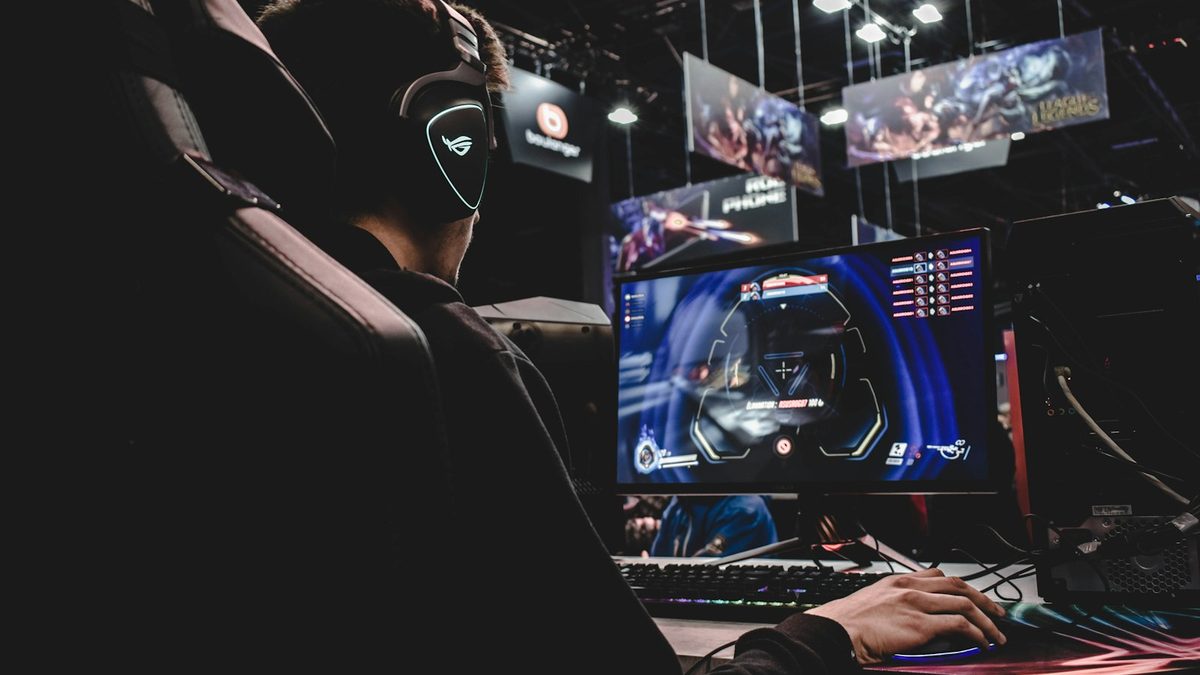
- Gaming Mouse: A comfortable mouse with a good sensor is a game-changer for shooters. Look for one with adjustable DPI settings