Sam Blakeman, once Weatherfield’s innocent chess prodigy, is now entangled in a terrifying psychotic break that threatens his very life. His grip on reality is shattering violently, with hallucinations compelling him toward dangerous actions. Coronation Street plunges deep into this harrowing mental health crisis that is gripping viewers in utter shock.
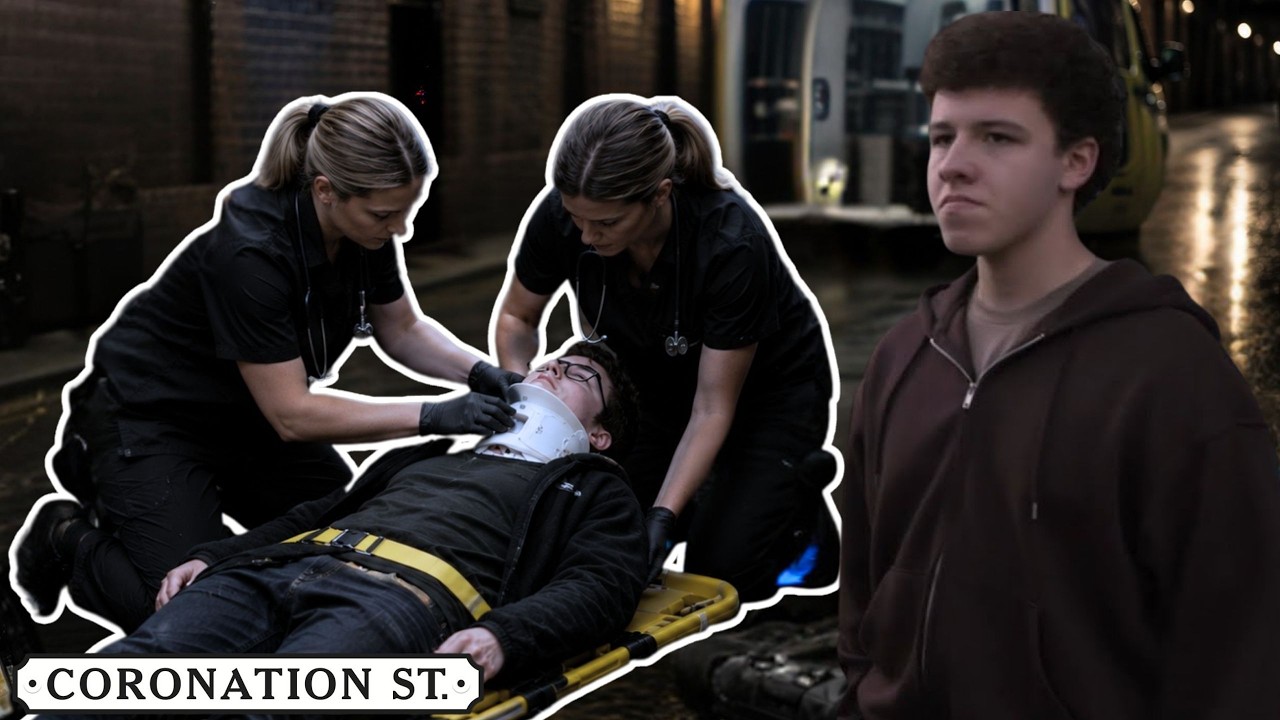 From the start, Sam’s descent into darkness stems from the trauma tied to a predatory relationship between his friend Will Driscoll and teacher Meghan Walsh. Discovering this secret shattered the structured, logical world he clung to like a lifeline, igniting an unmanageable cognitive dissonance. With bullying and threats from Meghan and Will intensifying, Sam’s mind fractured, retreating into a protective but terrifying alternate reality.
In this fractured mindscape, the comforting figure of Roy Cropper, symbol of kindness and safety on the cobbles, is grotesquely transformed. “Evil Roy,” a sinister hallucination commanding violence, embodies Sam’s spiraling delusions. This stark contrast to the beloved character perfectly illustrates how deeply broken Sam’s perception has become, turning his closest friend into a figure of fear and aggression.
David Neilson’s chilling portrayal of “evil Roy” is magnetic and unsettling, breathing horrifying life into Sam’s internal battle. His cruel taunts and violent urgings pull Sam further from reality, convincing him that attacking Will is a desperate survival tactic. This disturbing twist exposes the brutal reality of psychosis — when the mind weaponizes logic to justify violence.
Tensions escalate violently in one gripping scene at the Rovers Return. Sam misinterprets a harmless video game as a lethal threat from Will, his paranoia at a peak. The hallucinated Roy’s warnings that Will intends to 𝓀𝒾𝓁𝓁 him become chilling commands. Viewers witness the breaking point as Sam’s psyche convinces him that violent action is not just necessary, but inevitable.
The tragedy deepens when Sam flees to the café, locking himself away in a harrowing siege. There, he confronts both the real, gentle Roy trying to soothe him and the menacing hallucination urging destruction. This dual presence embodies the core of Sam’s torment — a warped battle between reality and delusion, pulling him dangerously off course.
Behind the scenes, the adults’ desperate responses reveal the crushing burden of denial and guilt. Nick Tilsley struggles painfully with acceptance, initially blaming “teenage angst” rather than recognizing a psychiatric emergency. His inability to grasp the severity leaves Sam isolated, while Carla Connor steps in, seeing the signs from her own dark experiences and demanding medical intervention without hesitation.

Carla’s brutal honesty is a pivotal moment, underscoring the urgent need for professional help. She confronts Nick with the cold truth: Sam requires immediate hospitalization. This stark confrontation shatters denial and marks a turning point in the storyline, highlighting how quickly mental illness can overwhelm those unprepared to cope.
However, the danger is far from over. When Nick and David approach, Sam’s terror causes him to bolt, escalating the crisis into a frantic search across Weatherfield. The community’s desperate hunt underscores a heartbreaking reality — they can find Sam’s physical location but are powerless to reach his fractured mind. His true self remains terrifyingly out of grasp.
While some fans question the realism of unnoticed hallucinations for weeks, this storyline highlights a painful truth. Often, subtle cries for help are missed, dismissed as quirks or moodiness. Coronation Street uses Sam’s story to spotlight how easily mental health crises can remain invisible until they explode, demanding urgent attention.
Behind this gripping arc is young actor Jude Rearen, stepping up with a mature grace that mirrors Sam’s harrowing journey. Trusted with shaping his character’s reactions, Jude delivers a raw and gripping performance, adding emotional depth and authenticity to every devastating scene. His portrayal powerfully conveys the confusion and fear of losing control over one’s own mind.
Looking ahead, viewers brace for a long, painful road to recovery for Sam. The logical, confident chess player they knew faces transformation, likely emerging fragile, anxious, and guarded. Psychosis leaves scars beyond immediate crisis — a lasting vulnerability that will challenge Sam and everyone who cares for him.

The fallout will also strain family bonds, especially between Nick and Leanne. The blame and guilt for missing Sam’s suffering threaten to fracture their relationship irreparably. This storyline promises intense emotional conflict, exploring the devastating impact of mental illness not just on individuals but on those closest to them.
Intriguingly, Will—initially seen as the villain in Sam’s fractured mind—is himself a victim of grooming and trauma. There is potential for an unexpected path of healing if Will extends genuine kindness to Sam once the truth of his illness emerges. This scenario could powerfully break the cycle of pain and bullying that began this tragedy.
While some viewers find the “evil Roy” hallucination disturbing or excessive for a soap opera, it serves a critical narrative function. Mental health crises are often chaotic, frightening, and beyond polite discourse. By confronting audiences with this raw portrayal, Coronation Street demands empathy and awareness, humanizing the horror of psychosis.
Sam Blakeman’s story is a heart-wrenching testament to how trauma and mental illness can devastate even the brightest minds. This isn’t just entertainment — it’s a stark warning and a call for compassion for those silently battling invisible demons. As Sam fights to reclaim himself, viewers worldwide are left gripping their seats in anxious hope.
Sam’s ongoing crisis challenges stereotypes and stigma surrounding mental illness, showing how psychological breakdowns can upend identity and relationships. It starkly portrays the isolation, fear, and confusion that come with hearing hostile voices and seeing false threats, making the invisible visible for a broad audience.

Coronation Street’s bold tackling of this storyline pushes the boundaries of its genre, unafraid to venture into uncomfortable, complex territory. The production’s careful handling and powerful performances emphasize respect and realism, fostering important conversations about adolescent mental health and the vital need for timely intervention.
Audiences can expect emotionally charged episodes as Sam’s family and community confront the devastating consequences of unmet mental health needs. This unfolding 𝒹𝓇𝒶𝓂𝒶 will resonate deeply, challenging viewers to reconsider how they perceive and support those facing psychiatric crises.
Sam Blakeman’s gripping descent and painful journey toward recovery stand as some of the most impactful moments in recent soap history. Coronation Street’s fearless portrayal forces us to witness the raw horror and fragile hope embedded in mental illness, reminding us that no one is immune from the silent battles waging within.
As the narrative develops, all eyes remain on Sam’s fragile path forward amid a shattered family and fractured friendships. This unfolding crisis is a powerful, urgent call to recognize and respond to mental health struggles with humanity and understanding in communities everywhere.
In these dark times on the cobbles, Sam’s story is a haunting beacon drawing attention to the complex, painful realities behind psychosis. It demands our empathy, our awareness, and above all, our readiness to act before tragedy strikes again. The fight for Sam’s life — and his mind — has only just begun.
https://www.youtube.com/embed/9TVrMo2YZFw