The long-simmering feud between Cash Money Records co-founder Birdman and No Limit Records CEO Master P has finally been laid bare, with legendary Hot Boys rapper Juvenile revealing the explosive truth behind why the two Southern hip-hop empires never joined forces. In a candid interview that has sent shockwaves through the music industry, Juvenile confirmed that the rivalry between these two titans was not merely a business dispute but was rooted in a deep and violent street beef between the Magnolia Projects and the Calliope Projects in New Orleans. This revelation, which has been whispered about for decades, now provides the missing link to one of hip-hop’s greatest what-if scenarios: the potential Cash Money and No Limit collaboration tour that could have reshaped the genre forever.
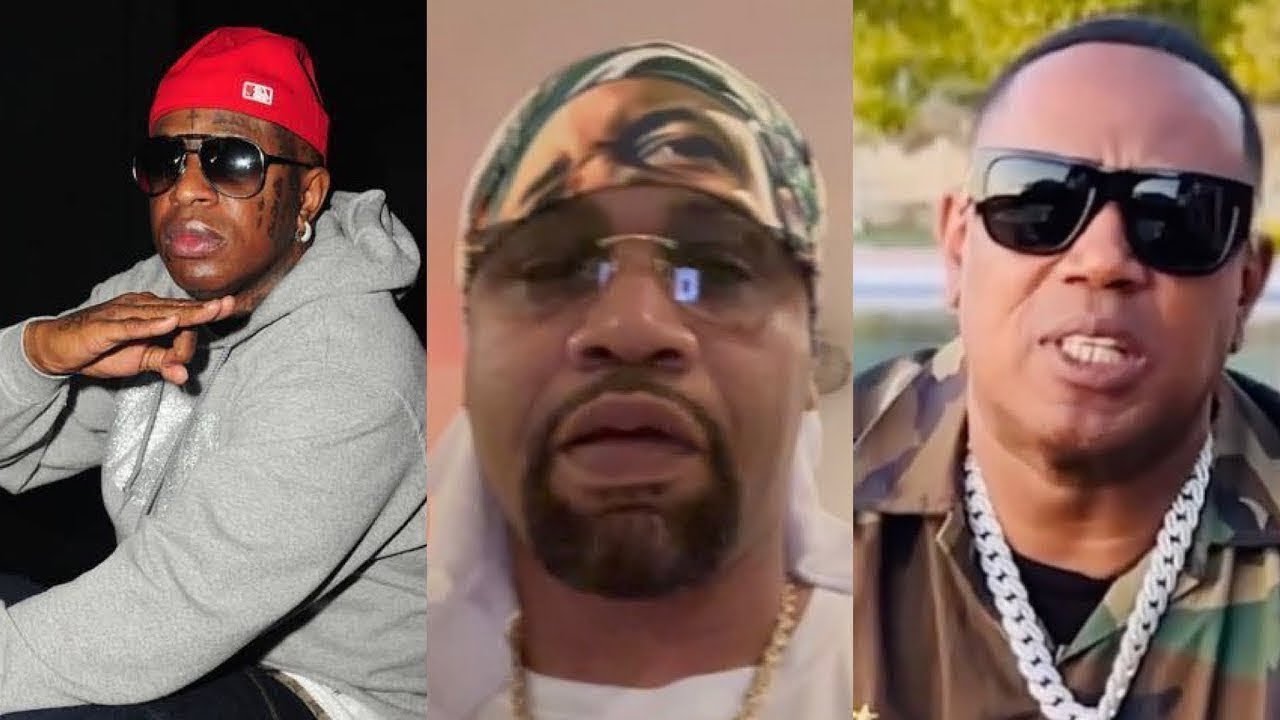 Juvenile, a cornerstone of the Cash Money Millionaires movement, spoke openly about the animosity that prevented any meaningful collaboration between the two camps during their peak in the late 1990s and early 2000s. The rapper explained that the conflict was so intense that it even forced No Limit artist Soulja Slim to change his stage name from Magnolia Slim to avoid the violent repercussions of representing a rival project. This detail alone underscores the gravity of the territorial divide that existed between these two iconic neighborhoods, which served as the breeding grounds for both labels’ most influential artists. The revelation paints a stark picture of how deeply ingrained street loyalties can influence the trajectory of entire music movements.
The interview, which aired on the Nation of Conversation daily podcast, featured Juvenile reflecting on his personal relationship with Master P, which he described as surprisingly cordial despite the larger conflict. He noted that they worked together after Hurricane Katrina, raising funds and supporting their community side by side. This admission adds a layer of complexity to the narrative, suggesting that the feud was not personal between the artists but was instead a corporate and territorial barrier erected by their respective leaders. Juvenile’s tone was one of resignation, as he admitted he never fully understood why the collaboration never happened, deferring to the notion that it was a record company issue rather than a reflection of the artists’ willingness to work together.
The implications of this revelation are staggering for hip-hop historians and fans alike. The potential for a Cash Money No Limit tour during the prime of both labels would have been a cultural phenomenon of unprecedented scale. Imagine the stage shared by Lil Wayne, Juvenile, BG, and Turk of the Hot Boys alongside Master P, Silkk the Shocker, C-Murder, and Mystikal. The production value alone, with Mannie Fresh and KLC crafting beats that defined an era, would have been a masterclass in Southern rap innovation. The tour could have bridged the gap between two distinct sounds that together dominated the charts, creating a unified front that might have altered the course of hip-hop history.

The beef between Birdman and Master P has been a subject of speculation for years, with rumors of physical altercations and heated confrontations circulating within the industry. Juvenile’s comments now give credence to those whispers, confirming that the animosity was not merely a business rivalry but a reflection of real-world conflicts that extended beyond the recording studio. The Magnolia Projects, home to No Limit’s core artists, and the Calliope Projects, the birthplace of Cash Money’s founders, were locked in a generational struggle that made any collaboration politically impossible. This context explains why even the most commercially viable partnerships were sacrificed to maintain street credibility and safety.
The missed opportunities extend far beyond a single tour. The music industry lost out on countless potential collaborations that could have produced timeless classics. Master P featuring the Hot Boys, Birdman collaborating with TRU, or Mannie Fresh and KLC working together on a full album would have been a sonic revolution. The thought of Lil Wayne and Mystikal sharing a track, or BG and C-Murder trading verses, is enough to make any hip-hop fan lament the lost potential. Juvenile’s comments serve as a reminder that in the world of Southern rap, the lines between art, business, and survival were often blurred beyond recognition.
The timing of this revelation is particularly poignant given the current state of both labels. Cash Money Records has evolved into a global brand under Birdman’s leadership, while No Limit Records has seen a resurgence in recent years with Master P’s continued influence in entertainment and business. The possibility of a reconciliation tour now seems more viable than ever, especially as both camps have shown signs of mending fences in the public eye. Juvenile’s willingness to speak openly about the past could be the catalyst needed to finally bring these two giants together for the benefit of the culture.
The street-level origins of this feud highlight the harsh realities that shaped the careers of these artists. Growing up in New Orleans’ most notorious housing projects, loyalty to one’s neighborhood was a matter of life and death. The Magnolia and Calliope projects were not just addresses but identities that commanded respect and demanded allegiance. For Soulja Slim to change his name, he had to abandon a piece of his own history to survive in the No Limit ecosystem. This sacrifice is a testament to the power of the beef and the lengths to which artists had to go to navigate the treacherous waters of the music industry while maintaining their street credibility.

Juvenile’s interview has sparked a wave of nostalgia and regret among fans who grew up during the golden age of Southern hip-hop. Social media is ablaze with discussions about what could have been, with many calling for a documentary or a retrospective project that explores the untold story of this rivalry. The demand for a Cash Money No Limit tour has never been higher, and Juvenile’s comments may serve as the push needed to make it a reality. The cultural impact of such a tour would be immeasurable, offering a chance for healing and celebration of a shared legacy that has been divided for too long.
The music industry is now buzzing with speculation about whether Birdman and Master P will respond to Juvenile’s revelations. Both men have remained relatively silent on the matter, but the pressure is mounting for them to address the past and potentially pave the way for a new chapter in hip-hop history. The possibility of a joint venture between these two empires could redefine the business of Southern rap and create opportunities for a new generation of artists from New Orleans. Juvenile’s honesty has opened a door that many thought was permanently sealed, and the world is watching to see what happens next.
The legacy of both Cash Money and No Limit is undeniable, but the shadow of their rivalry has always lingered over their achievements. Juvenile’s interview provides a rare glimpse into the human side of this conflict, showing that even the biggest stars were affected by the same forces that shaped their communities. His respect for Master P, despite the barriers between their camps, offers a glimmer of hope that reconciliation is possible. The Nation of Conversation podcast has given the world a piece of history that will be analyzed and debated for years to come, and the call for a Cash Money No Limit tour has never been louder.