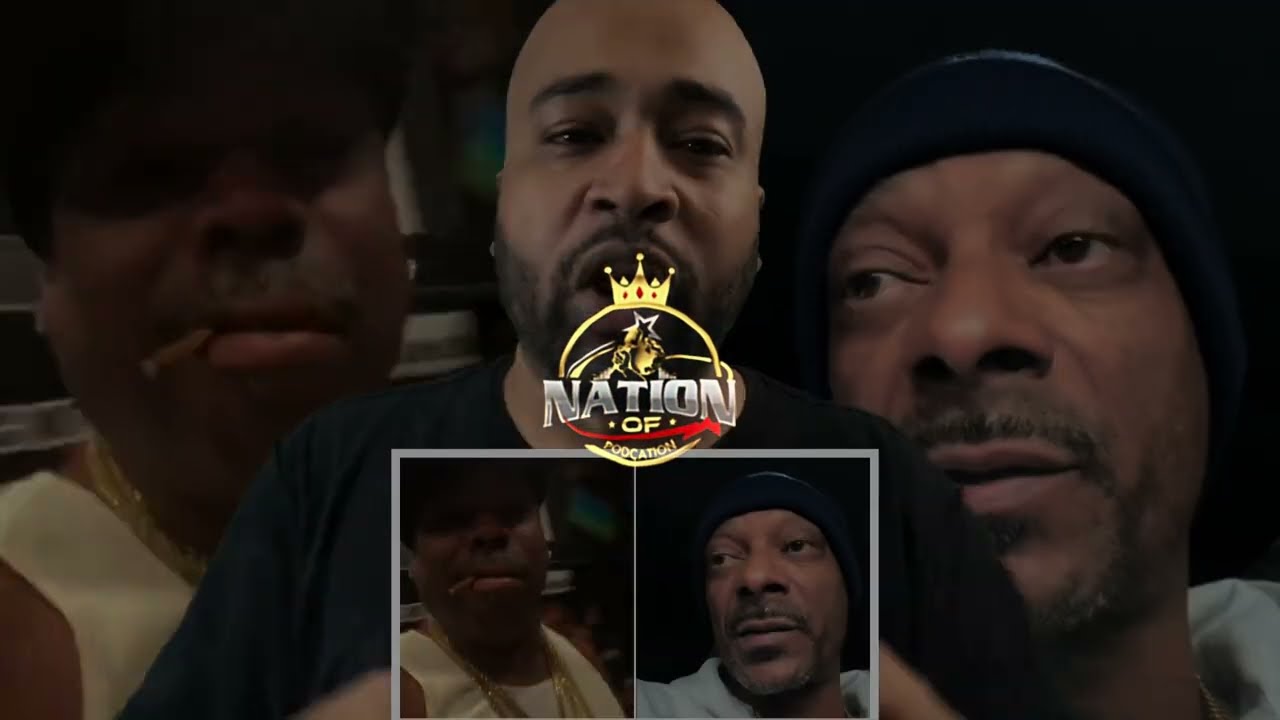
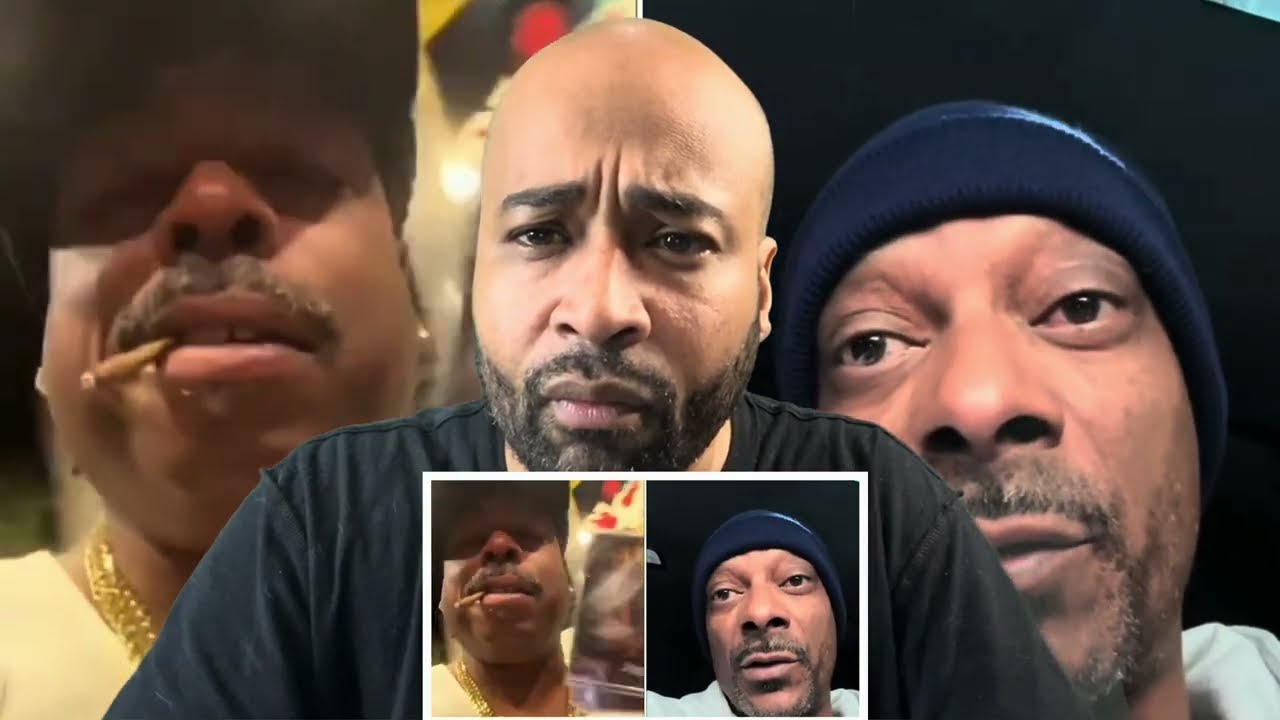
The hip-hop world was rocked late Tuesday as legendary super-producer Daz Dillinger unleashed a blistering, unfiltered tirade against his cousin and former collaborator Snoop Dogg, declaring in a live podcast interview that Snoop “can’t stand me” and that the two are locked in a bitter, decades-long financial feud that shows no sign of resolution. In a raw, emotional appearance on the Nation of Our Occasion daily podcast, Daz, whose real name is Delmar Arnaud, laid bare a litany of grievances spanning more than 30 years of unpaid royalties, missing contracts, and what he calls a systematic effort to erase his contributions to some of the most iconic albums in music history.
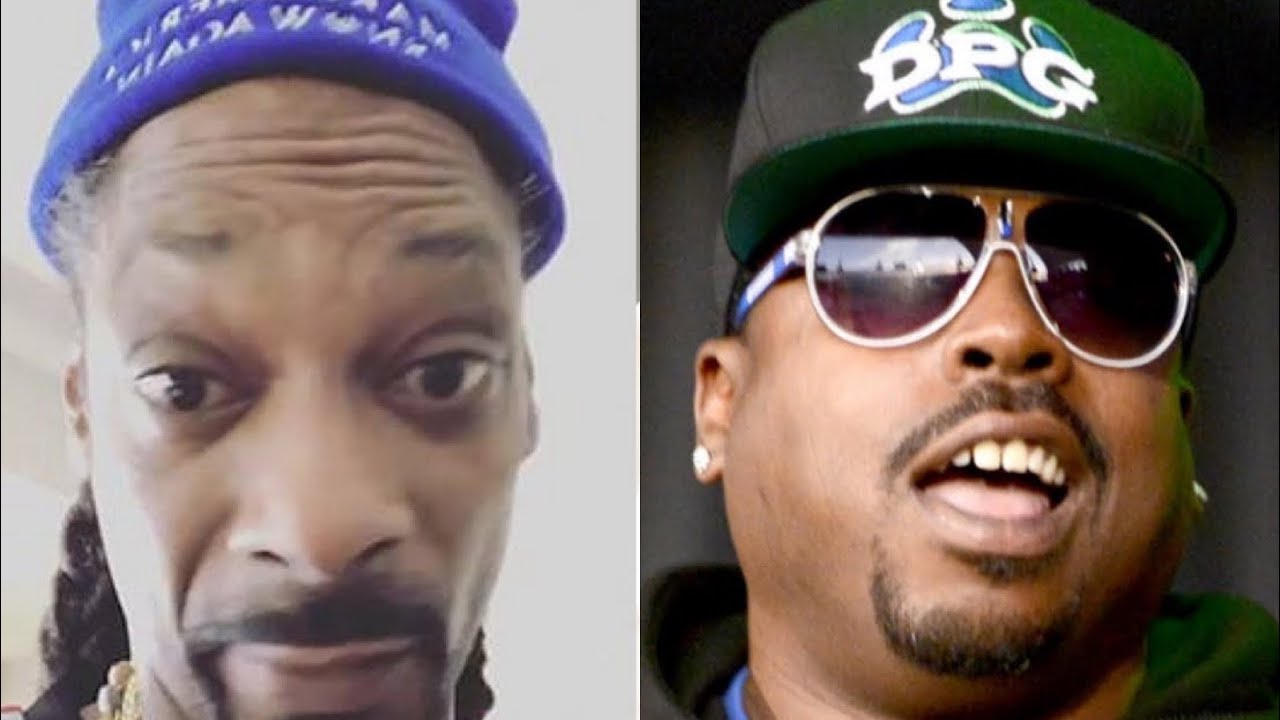
“He can’t stand me,” Daz repeated during the interview, his voice trembling with frustration. “He can’t stand me. It’s all to the good because I’m a Gemini.
I’ve been living by myself my whole life. I don’t give a damn if I got friends.” The comments mark a stunning escalation in a conflict that has simmered behind closed doors since the heyday of Death Row Records, the label that launched both men into superstardom and has now become the central battlefield in a war over money, credit, and legacy.
The explosive interview comes just weeks after Snoop Dogg completed his high-profile acquisition of Death Row Records, a move widely seen as a bid to reclaim his masters and control the label’s vast catalog. But Daz is now demanding his own share of that empire, threatening to take his fight to the courts and even to the U. S.
Copyright Office. “I got the copyright reversion,” Daz revealed, brandishing official government documents. “Copyright.
gov gave me all my dates when I receive everything back. So, 2028, I get The Chronic back. Publishing.
They got to make a deal with me, or I’ll just make my own deal.”
Daz’s claims are staggering in their scope. He asserts that he co-produced seminal albums like Dr. Dre’s The Chronic, Snoop Dogg’s Doggystyle, and the Dogg Pound’s Dogg Food, yet has never received proper accounting or compensation.
“Last month they just paid me 91,000 dollars, but with no statement,” Daz said, his voice turning icy. “Where’s the statement? I’m a mathematician.
I want to know how you came up with that number. They supposed to pay for publishing in July. My publishing should be four times bigger than this 118,000 they gave me.”
 The producer’s frustration centers on what he describes as a systematic lack of transparency. He claims that Snoop, who owns the rights to Doggystyle and other Death Row titles through his new Death Row Records, has refused to provide contracts or detailed royalty statements for any of the albums they worked on together. “They can’t give me something they ain’t got,” Daz argued.
“But the money went somewhere. It’s not like no money was generated.”
The dispute is all the more painful because of the blood relation between the two men. Daz and Snoop are first cousins, having grown up together in Long Beach, California, and risen to fame together as core members of the Death Row family. Their bond was once legendary, but Daz says that money has poisoned it.
“When we was doing the Dogg Food album, the 30-year thing, Snoop was coming to give us a contract for six points, and we’re like, ‘Where’s the first six points? Where’s the contract?’” Daz recalled.
“He was giving us less than what Suge Knight was going to give us, and Suge didn’t even give us a contract.”
The podcast host, visibly taken aback by Daz’s candor, pressed him on whether the rift was temporary or permanent. Daz’s response was unequivocal. “He can’t stand me.
It’s all to the good. I’ve been living by myself my whole life. I don’t give a damn if I got friends.”
He described losing friends who chose Snoop’s side, leaving him isolated but unbowed. “I had a lot of friends, but when they want to pick sides and go over to Snoop, I don’t have nobody to talk to now. I just hang with myself and go build and travel the world.”
The interview has sent shockwaves through the music industry, where the debate over royalty transparency and artist exploitation has never been more intense. Daz’s case echoes that of many legacy artists—from Tupac Shakur’s estate to the estates of countless others—who have fought for years to see a single dollar from their life’s work. “Just like Tupac did, they paid me 91,000, but with no statement,” Daz said, drawing a direct line to the legendary rapper whose own royalty battles are well documented.
“They just give me the money. Where’s the statement?”
Legal experts note that Daz’s claims regarding copyright reversion could be a game-changer. Under U. S.
copyright law, songwriters and producers can reclaim their rights after 35 years. Daz says he has already filed the necessary paperwork for his contributions to The Chronic, which will revert to him in 2028. That timeline places enormous pressure on Snoop Dogg and the current Death Row ownership to negotiate or risk losing control of one of the most valuable albums in hip-hop history.
Daz also pointed to systemic inequities in how producers are credited. He alleges that he was habitually omitted from official production credits on Death Row albums, with Dr. Dre receiving sole recognition despite Daz’s hands-on work.
“They would always say ‘Produced by Dr. Dre,’ and he wouldn’t get the credit that he deserves,” the podcast host summarized, adding his own support for Daz’s quest. “Now he’s trying to go back and get that.
I can respect that.”
As news of Daz’s interview spread, social media erupted with reactions from fans and industry insiders. Many expressed sympathy for the producer, noting that his contributions to the G-funk sound are immeasurable. “Daz produced half of Death Row’s golden era,” one user tweeted.
“Snoop needs to pay his cousin and stop acting like this isn’t real.” Others, however, questioned the timing of the outburst, noting that Snoop has been on a triumphant victory lap since acquiring Death Row and is currently preparing for a major performance at the Super Bowl. “Why now?”
another commenter asked. “Daz could have handled this privately.”
Yet Daz has made it clear that private conversations have failed. He claims to have raised the issue with Snoop multiple times over the years, only to be met with silence or dismissive responses. The final straw appears to have been a recent payment of $118,000 that came without any supporting documentation, which Daz says is a fraction of what he is owed.
“If me and you got a 50/50 deal, I made 118,000, and I made you 118,000,” he said. “So I’m just looking for the statements and the contracts. Where’s the contracts?”
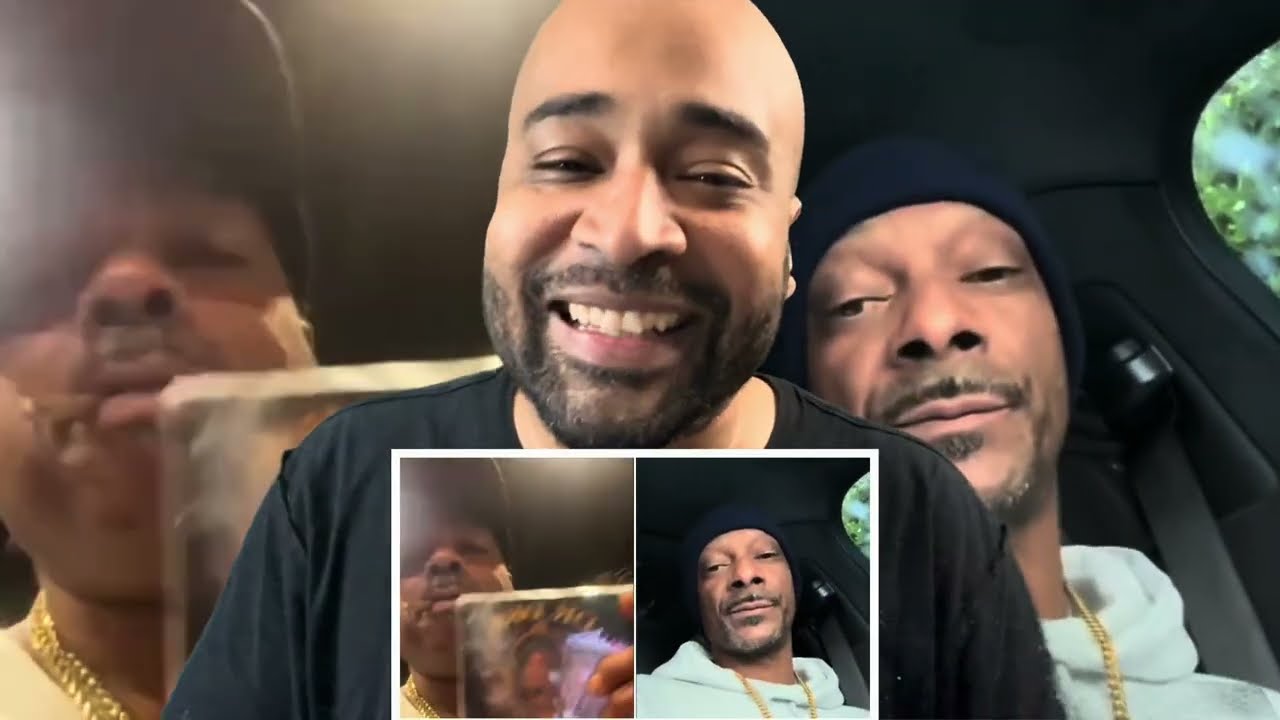
Neither Snoop Dogg nor representatives for Death Row Records have responded to requests for comment. The silence has only fueled speculation that the relationship between the cousins may be beyond repair. The podcast host, reflecting on the broader implications, urged both parties to find a way forward.
“As his cousin Snoop, you would think that Snoop would just want to go ahead and make everything right with his cousin, give him what he’s owed, just like Snoop wanted to fight for what he’s owed with Death Row Records owning the Doggystyle album, owning the Murder Was the Case, owning the Doggfather. That’s why he really bought Death Row—so he could own his masters. Crazy, crazy work that Daz is still having to go through this.”
The conflict raises uncomfortable questions about the ethics of the music industry’s new power structure. Snoop Dogg, once a voice for artist rights, now stands accused by his own family of perpetuating the same exploitative practices that defined Death Row under Suge Knight. For Daz, the fight is not just about money—it’s about legacy, respect, and the historical record.
“I got all my dates from copyright. gov,” he said, holding up a sheaf of papers. “2028, I get The Chronic back.
They got to make a deal with me or I’ll just make my own deal. It’s business time.”
As the hip-hop community absorbs this bombshell, the question remains: Can two cousins who helped define an era ever reconcile? Or will the pounds of paper, the reversion dates, and the missing statements tear them apart forever? The world will be watching, and as Daz himself said, “I don’t give a damn if I got friends.”
For Daz Dillinger, this is war. For Snoop Dogg, the silence is deafening. The next move belongs to the man who now controls Death Row—and the fate of his cousin’s long overdue payday.