A rising star in the Brooklyn drill rap scene, known to fans as King Malo and Murder Melo, was shot and killed during a brutal home invasion in North Carolina late Thursday night, according to multiple sources close to the artist and law enforcement officials. The killing of the Brownsville native, whose real name has not yet been officially released pending family notification, has sent shockwaves through the underground hip-hop community and left loved ones grappling with the loss of a deeply talented but troubled young man. Witnesses say the rapper was shot multiple times after armed intruders stormed his residence, a tragic end to a life that had been marked by both artistic promise and a string of dangerous choices.
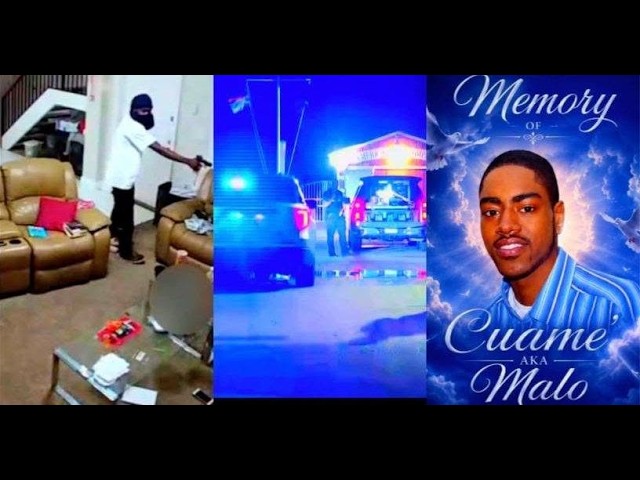
Authorities in North Carolina have not released a full statement yet, but preliminary reports indicate that the home invasion occurred late in the evening in a suburban area where King Malo had relocated from his native Brooklyn, New York. The rapper’s girlfriend and young child were reportedly inside the home at the time of the attack, though they were not physically harmed. Law enforcement sources say the assailants forced entry into the residence, and that Malo may have attempted to defend his family.
The investigation is ongoing, with detectives working to identify suspects and determine a motive, though early speculation points to a possible targeted attack linked to the rapper’s past associations and street ties.
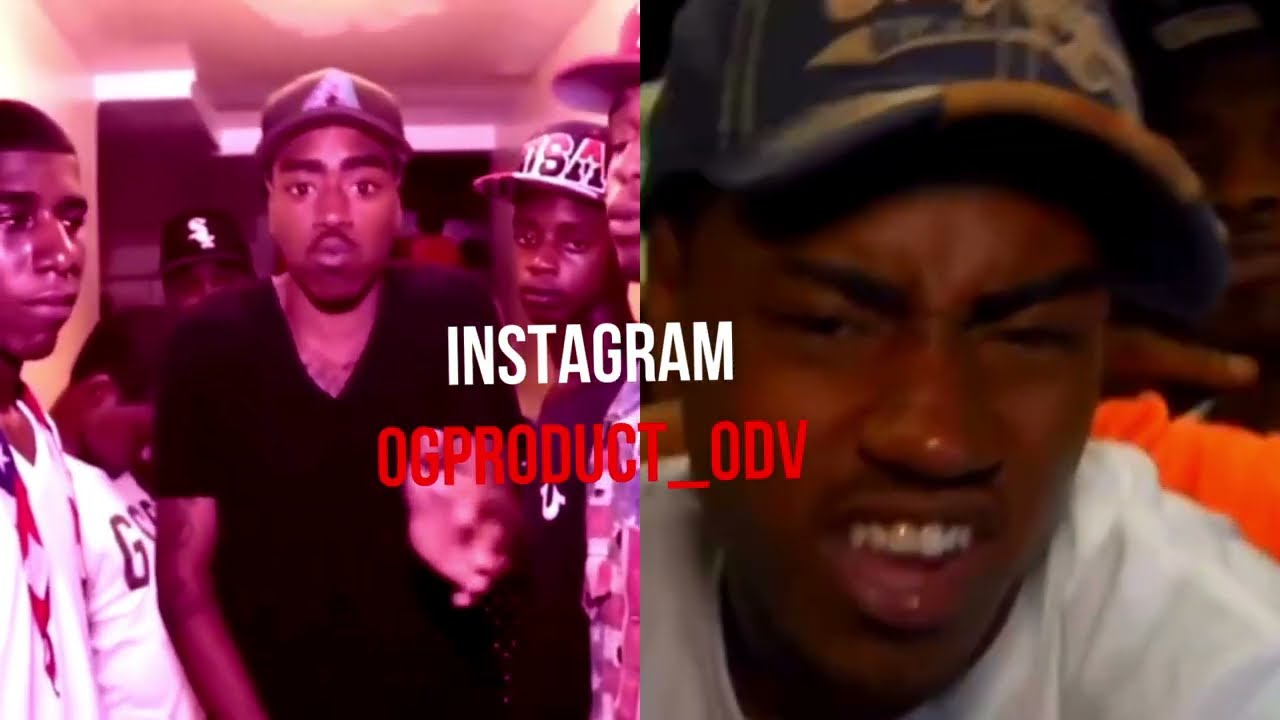
The news of King Malo’s death was first widely circulated on social media by fellow rapper and friend OG Product, who delivered a raw, grief-stricken video tribute that has since gone 𝓿𝒾𝓇𝒶𝓁. In that emotional recording, Product mourned the loss of “a good youth who made a few bad decisions” and detailed his long history with the slain artist, describing him as a phenomenal freestyler who could “do a two‑hour freestyle” without breaking a sweat. “Unfortunately for Murder Melo, man, he had some waste youth, some we and we know throwing salt in his ear,” Product said, hinting at the toxic influences that may have surrounded King Malo in the months leading up to his death.
King Malo first gained notoriety with his breakout track “Back to the Trap,” a gritty anthem that captured the struggles and ambitions of young men trapped between street life and artistic dreams. The song, with its iconic hook—“Shorty says she want to roll with me, I’m like yeah, yeah, what? Little Katy want to flex with me, I’m like yeah, yeah, what?
Back to the trap, back to the trap”—became a staple in Brooklyn’s underground scene and earned Malo a loyal following. But despite his talent, he never managed to escape the gravitational pull of the environment that gave birth to his music. Those close to him say he was constantly caught between the studio and the street, a tension that ultimately proved fatal.
 According to Product’s account, King Malo had reached out to him on Instagram shortly before his death, asking to “get up, pause, no freaky,” but Product declined to re‑engage, citing a desire not to revisit past conflicts. The decision, he said, weighed heavily on him now. “I never linked up with him, and when I went back to his Instagram, he unfollowed me,” Product recounted, his voice cracking with regret.
“But that’s the game King Malo played. He was talented, man, but he made the wrong choices, the wrong decisions, and he surrounded himself with people who weren’t productive for his career or his life.”
Friends describe King Malo as a deeply conflicted individual—a father, a partner, and a dedicated artist who often let his guard down around the wrong people. “He was focused on music, music was full,” Product explained, noting that Malo’s mother, who remains heartbroken, would always defend her son no matter what. “Even if murder Melo was right or wrong, she’s going to ride with him,” Product said, emphasizing the unconditional love that now turns to anguish.
The rapper’s mother had reportedly sought financial help for her son’s music career, and Product said he was among the first to contribute, even though he was not Malo’s manager. “I was just trying to help a young one get out the ghetto,” he added.
The killing is the latest in a string of violent deaths that have plagued the Brooklyn drill scene, a genre born from the city’s most impoverished neighborhoods and often mirroring the very real dangers its artists face. King Malo—who also went by the monikers Murder Melo and King Mo—was originally from Brownsville, a neighborhood notorious for its high crime rates and deep‑rooted gang rivalries. Despite relocating to the South in search of a fresh start, his past connections appear to have followed him.
Law enforcement sources familiar with the case say the home invasion bore all the hallmarks of a targeted hit, though they have not confirmed any specific suspects or gang affiliations.
In the hours following the news, tributes poured in from fellow rappers, producers, and fans across social media, many posting clips of Malo’s music and expressing disbelief. “This is crazy,” one commenter wrote. “He was so talented, always seemed to make the bad decisions.
Rest easy, King.” Another mourned the loss of a “real one” who never got a fair shot at the mainstream success he deserved. The drill community, already reeling from previous losses, now faces yet another gap in its ranks.
“It’s the same story over and over,” said a producer who worked with Malo early in his career. “Talented kid, gets caught up, and ends up dead before he can turn thirty. When will it stop?”
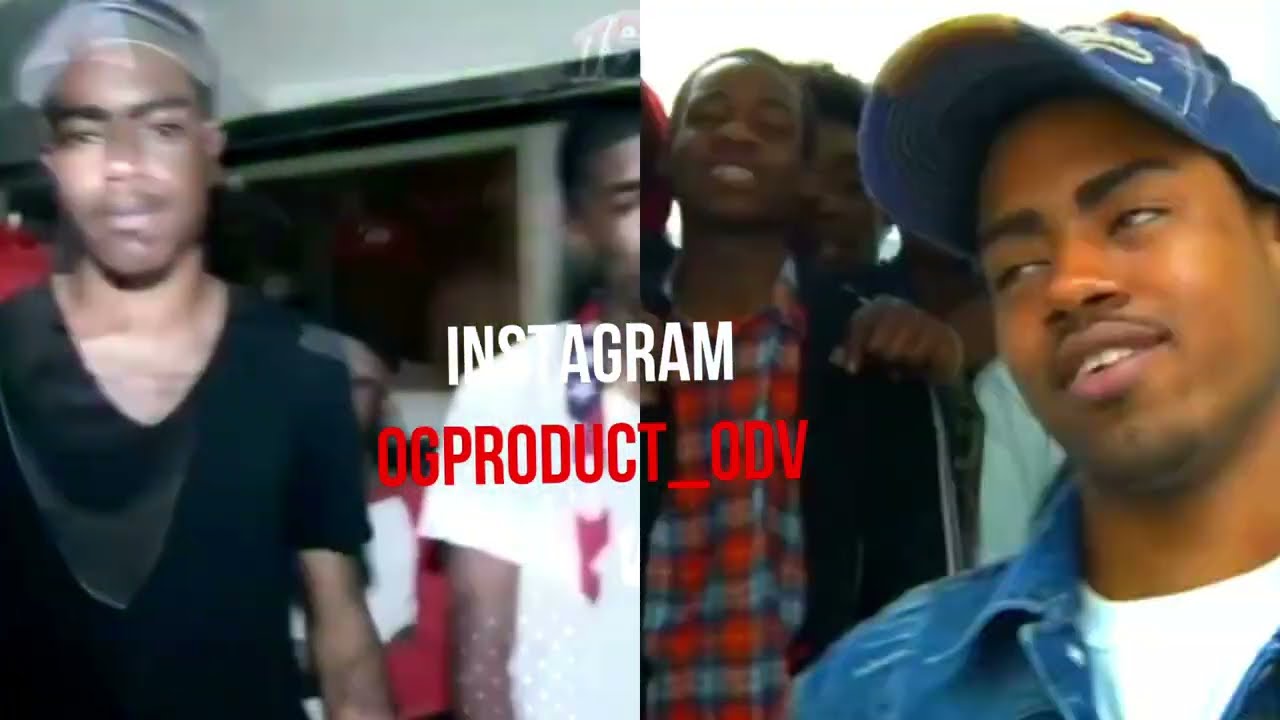
OG Product’s tribute—a rambling, tearful monologue recorded in a car—has become the definitive account of King Malo’s last days. In it, he recounts how Malo first rose from being a mere tag‑along on tours with rappers like Fuo and Gutter, artists from Melo Block on Grafton, to becoming a headlining act himself. “I didn’t even know Mo rapped until I heard ‘Back to the Trap,’” Product said.
“Then I got next on him. But unfortunately, the same people who were throwing salt in his ear weren’t helping him. They ushered me out, said I was messing with product.
But as soon as I left, they did nothing for him.”
The rapper’s death has also reignited debates about the music industry’s complicity in the violence that surrounds drill music. Critics argue that record labels and platforms profit from the authenticity of street narratives while doing little to protect the artists who live them. Supporters, however, point to the genre as a vital expression of urban reality, a voice for those who are otherwise silenced.
In the case of King Malo, both sides agree on one thing: he was a gifted storyteller whose lyrics often predicted the tragedy that befell him. “Back to the trap” was not just a song title—it was a prophecy.
Police are asking anyone with information about the home invasion to come forward, promising anonymity for tips. Meanwhile, the rapper’s family has requested privacy as they arrange funeral services. A GoFundMe campaign has been launched to help cover expenses and support Malo’s young child, who is now without a father.
The page has already raised thousands of dollars, with donors leaving messages of condolence and fury. “Another young king gone too soon,” one donor wrote. “Prayers for his family.
May God deliver justice.”
The death of King Malo underscores a grim reality: that even when an artist escapes the physical confines of the hood, the mental and social ties can prove unbreakable. He had moved to North Carolina, presumably to start anew, yet the ghosts of Brownsville trailed him. In his final Instagram posts, Malo appeared optimistic, posting studio sessions and snippets of new music.
But behind the scenes, friends say, he was still entangled in old disputes and unpaid debts. “He was a star in the hood but still addicted to cash,” one associate said, echoing a line from Malo’s own lyrics. “He couldn’t let go of the life that made him famous.”
As the investigation continues, the Brooklyn drill scene mourns yet another fallen soldier. The phrase “boom in heaven, boom in paradise” was spoken by OG Product in his tribute, now serving as a somber epitaph. For fans, the loss is more than a statistic—it is a reminder of the fragile line between art and reality.
For law enforcement, it is a case that may or may not be solved, depending on the code of silence that often surrounds such killings. And for King Malo’s mother, it is the irreplaceable absence of a son she always believed could make it out.
“Long live Melo,” Product said, wiping tears from his eyes. “And all the fallen soldiers. Even if we was on good terms or not.
When me and Mo was locked in, we was locked in. We was getting work done. But I guess that’s what created animosity—other people didn’t like how close we were.
They threw salt, they poisoned him. And now he’s gone. Rest up, my boy.
Boom in peace. BH boom in heaven.” The video ends with the sound of simulated gunshots—boom, boom, boom—a chilling echo of the violence that took his friend’s life.
For King Malo, the music stopped, but the noise of his death will reverberate for years to come.