The hip-hop world is buzzing with fresh commentary from rap legend Jeezy, who has broken his silence on the federal prison release of Black Mafia Family co-founder Demetrius “Big Meech” Flenory. In an exclusive podcast appearance, Jeezy offered a rare, personal glimpse into his relationship with the notorious 𝒹𝓇𝓊𝑔 trafficker turned would-be hip-hop mogul, painting a picture of a man who loved music and genuinely wanted to lift others up. This comes as Big Meech, 56, recently transitioned from federal prison to a halfway house after serving nearly two decades for 𝒹𝓇𝓊𝑔 trafficking and money laundering.
Jeezy, whose real name is Jay Wayne Jenkins, spoke candidly about his early 2000s association with BMF, a time when he was heavily affiliated with the organization but not formally signed to its label. “Because he cared, my nigga,” Jeezy said, his voice thick with emotion. “Like he really did.
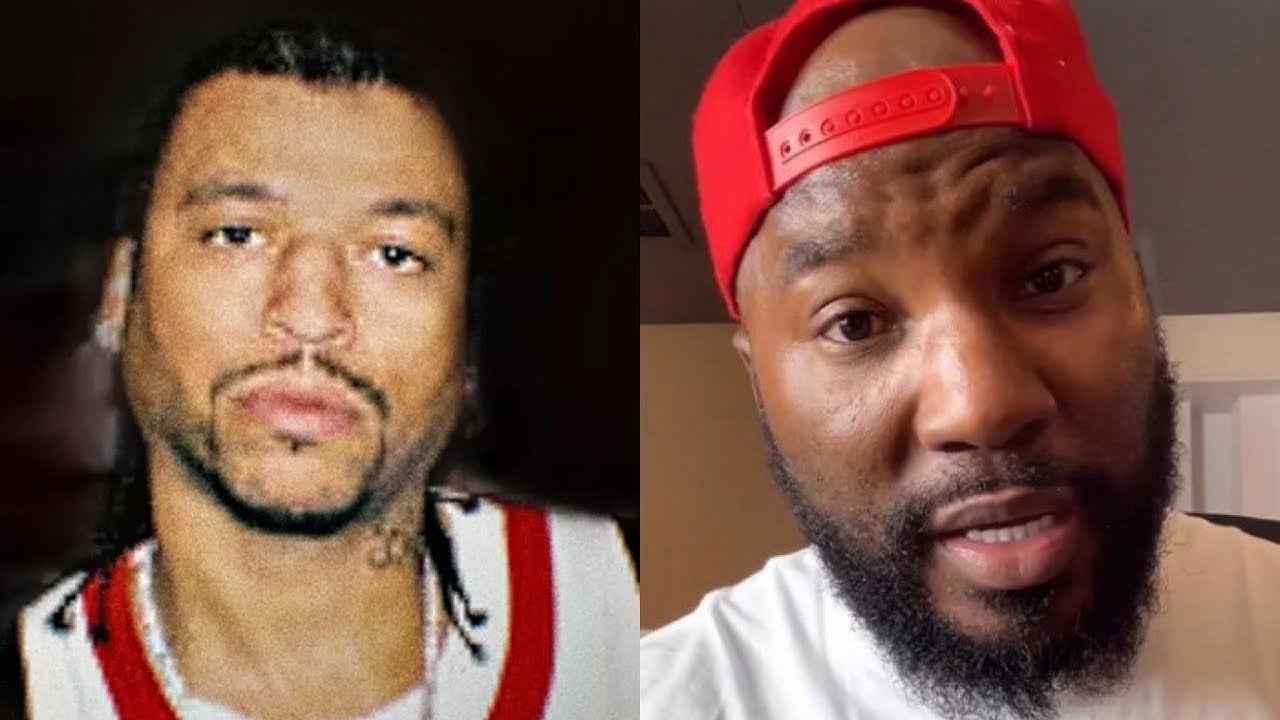 Like if he’s a genuine dude and I just think, you know, he just always wanted to see people in a better place.” The rapper emphasized that Big Meech was a stand-up guy who loved hip-hop culture with an almost obsessive passion.
The interview, aired on the Nation of Podcastation Daily Podcast, reveals a side of Big Meech rarely seen in court documents or news headlines. Jeezy described late-night studio sessions where Meech would sit with him, smoke weed, and listen to unreleased tracks until it was time to hit the clubs. “I used to go with a man.
He sit on the house and smoke weed and play music all day,” Jeezy recalled. “When I say all day, I mean until it’s club time. So he going to get up at 9:00 a.
m. and play music until it’s 12:31. You know what I’m saying?
And time to go to the club.”
Jeezy’s comments are significant because they come from an artist who was both a close associate and a careful distance-keeper when the federal hammer fell on BMF in 2005. As law enforcement swept up the organization, Jeezy famously distanced himself from the criminal side, insisting his involvement was purely musical. But now, with Big Meech out of prison and in a halfway house, the rapper is offering a nuanced tribute.
“I’ll be the first to say when I first started popping off, my music were great,” Jeezy said. “Meech is one of my biggest fans. Like he loved it.
I would do stuff and come from the studio and get in the car with him. We ride, smoke and listen to that shit and just trip.” The rapper added that if Big Meech could have rapped, he would have been a rapper himself.
“He was that type of dude. He just always wanted to get his shine on.”
The BMF story is one of America’s most compelling crime-to-music sagas. Big Meech and his brother Terry “Southwest T” Flenory built a multi-million-dollar 𝒹𝓇𝓊𝑔 empire that stretched from Detroit to Los Angeles, laundering money through a hip-hop record label. Big Meech was sentenced to 30 years in 2008, but his sentence was commuted in 2020, and he was transferred to a residential reentry program earlier this year.
Jeezy’s endorsement of his character could help reshape the narrative around the iconic figure.
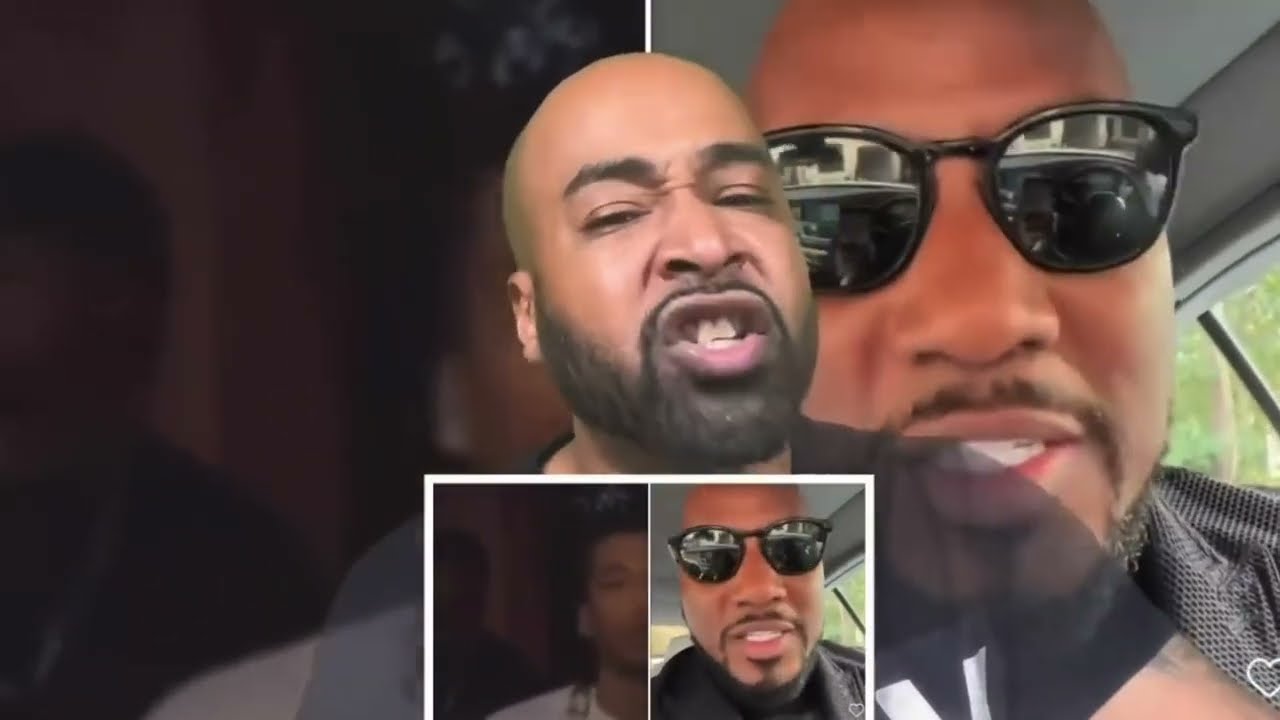 “He just always wanted to see people in a better place,” Jeezy insisted, adding that their conversations were never about the 𝒹𝓇𝓊𝑔 trade. “It was just music.” The rapper recalled how Meech would ride around with him, playing tracks and offering encouragement.
“He said that he loved it. And I tell anybody, if that nigga could rap, he would be a rapper.”
The podcast host, O’Shea, noted that Jeezy had intentionally distanced himself from BMF after the federal indictments came down. “Jeezy has said in the past it wasn’t nothing like that. It was just music.
It was just music allegedly. It was nothing none of that type of business that was going on. And we did start to see Jeezy distance himself from BMF once Big Meech got caught up because he didn’t want to go down involved in that either.”
Despite that careful separation, Jeezy’s new remarks are a powerful testament to the personal bond that existed between two men who came from similar streets but ended up on vastly different paths. Big Meech, who once aspired to be a hip-hop mogul, had signed artists like Blue Da Vinci to BMF Records and placed advertisements in The Source magazine. But the 𝒹𝓇𝓊𝑔 trafficking and money laundering charges derailed that dream.
Now, as Big Meech reintegrates into society, Jeezy’s words carry weight. The hip-hop community is watching closely. “He always wanted to get his shine on,” Jeezy reflected.
“We used to say we going to shine like new money. They going to see us coming. That was his whole thing.”
The relationship between Jeezy and BMF has long been a subject of fascination. In the early 2000s, Jeezy was heavily associated with the organization, appearing in clubs with Big Meech and referencing their ties in his lyrics. But as the federal case escalated, Jeezy pivoted, focusing on his own career and distancing his brand from the criminal element.
Today, his praise for Big Meech feels both nostalgic and strategic, a way to honor the past while acknowledging the legal complexities of that era.
“He love music, man,” Jeezy repeated. “He used to sit on the house and smoke weed and play music all day. When I say all day, I mean until it’s club time.”
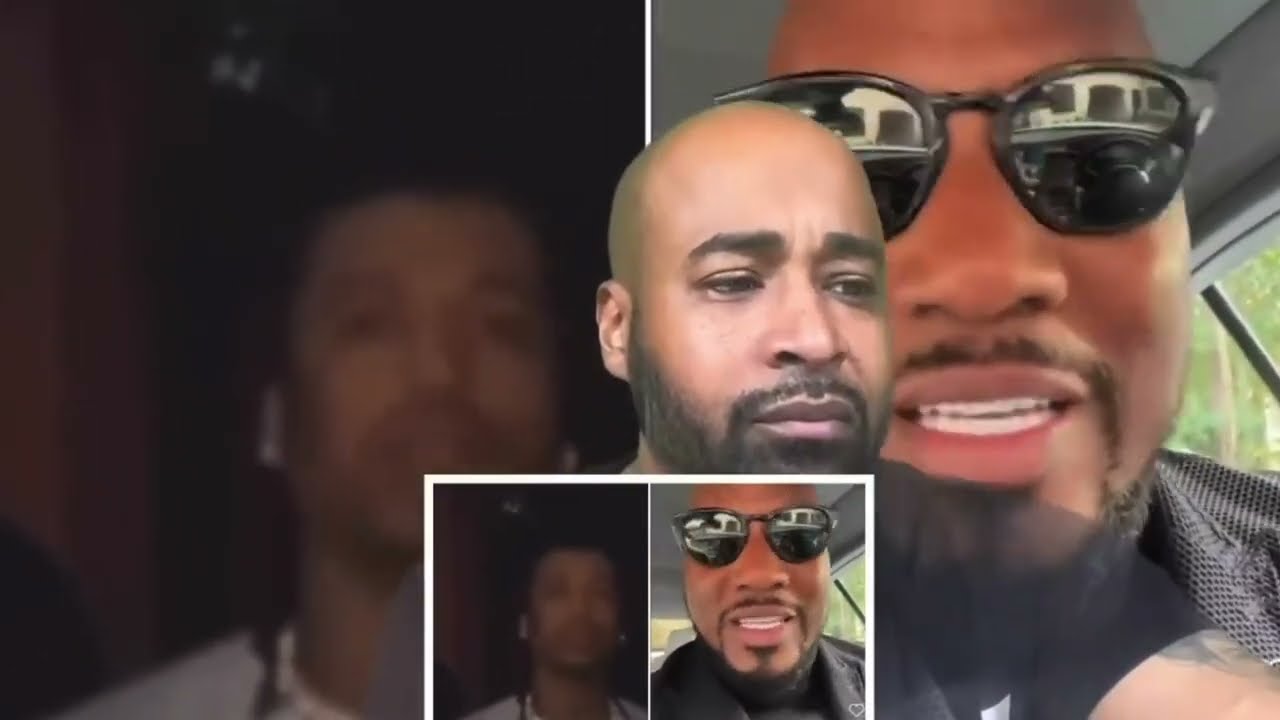 Those extended sessions created a deep mutual respect. Jeezy described Big Meech as a fan who would genuinely enjoy the creative process, not just the glitz and glamour of the 𝒹𝓇𝓊𝑔 empire.
The interview also touched on the dualities of Big Meech’s personality. While he was a kingpin, he was also a dreamer who wanted to break into the music business legitimately. Jeezy’s account humanizes a figure often reduced to headlines about 𝒹𝓇𝓊𝑔 trafficking and money laundering.
“This whole thing was… he just wanted to get his shine on,” Jeezy said, using a phrase that now sounds prophetic given Meech’s recent return to the public eye.
As news of Big Meech’s release spread, fans and critics alike have debated his legacy. Some see him as a violent criminal, others as a visionary entrepreneur. Jeezy’s perspective adds a crucial layer: that of a creative partner who witnessed the man behind the myth.
“He was a genuine dude,” Jeezy affirmed. “He just always wanted to see people in a better place.”
The podcast host closed with a shout-out to Big Meech, expressing relief that he is home. “Shout out to Big Meech. Glad you’re home, Nation.
What do you think about Jeezy’s comments on Big Meech? Let me know in the comments.”
For now, the hip-hop world is left to ponder the complex intersection of crime, music, and redemption. Jeezy’s heartfelt testimonial offers a rare moment of clarity in a story that has long been shrouded in glamour and danger. As Big Meech steps back into society, his old friend’s words may be the first chapter in a new narrative—one where the music, not the money, takes center stage.
Breaking news outlets are expected to pick up this story, analyzing Jeezy’s remarks in the context of Big Meech’s upcoming reintegration and potential business ventures. With the BMF legacy now a part of pop culture through the Starz television series, Jeezy’s comments add a layer of authenticity that fans crave. The rapper, who has sold millions of records and built a lasting career, has now weighed in on one of hip-hop’s most infamous figures, and his words will echo through the industry.
In the coming days, expect more reactions from other BMF affiliates, as well as from legal experts and cultural commentators. Jeezy’s decision to speak out—after years of silence on the subject—signals a possible thaw in the icy distance he once maintained. Whether this leads to a public reunion or collaboration remains to be seen, but for now, the nation is listening.
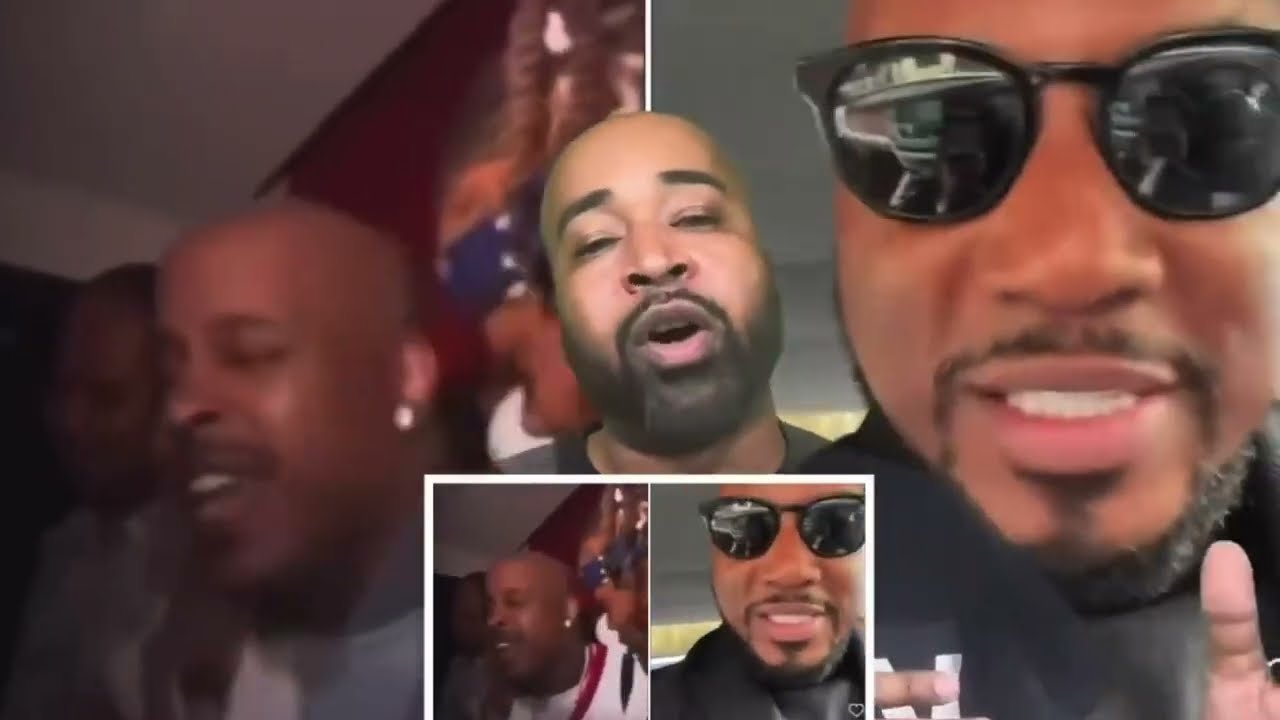 Big Meech’s halfway house stay is a brief precursor to what will likely be a highly supervised transition into civilian life. With Jeezy’s endorsement, he may have a clearer path to legitimate business and music opportunities. But the shadow of his past still looms.
As one fan tweeted, “Big Meech out and Jeezy speaking on him? This is history unfolding.”
Jeezy’s own journey from trap rapper to actor and entrepreneur mirrors the arc of Big Meech’s ambitions. Both men came from humble beginnings in Detroit and Atlanta, respectively, and both sought to turn street credibility into mainstream success. Jeezy succeeded spectacularly, while Big Meech’s path was derailed by federal indictments.
Now, with Meech’s release, Jeezy’s words feel like a bridge between two parallel worlds.
“I just think, you know, he just always wanted to see people in a better place,” Jeezy reiterated near the end of the podcast. It was a sentiment that resonated far beyond the studio. For the families who lost loved ones to the 𝒹𝓇𝓊𝑔 war, and for the communities that saw BMF as both a menace and a source of pride, Jeezy’s perspective offers a nuanced view of a complicated man.
The hip-hop community is known for its long memories. Jeezy’s decision to publicly praise Big Meech will not go unnoticed. It may inspire other former associates to come forward with their own stories, further humanizing a figure who has been both demonized and romanticized.
In the age of social media and 24-hour news cycles, this breaking story will dominate conversations for days.
As O’Shea signed off, the podcast’s theme music played over a final reflection: “Hip hop superstar and legend Jeezy talks about Big Meech, his personality, what type of dude Big Meech really is.” That question—who Big Meech really is—may never have a single answer. But thanks to Jeezy, we now have a clearer picture: a man who loved music, cared about people, and just wanted to shine.
And as Big Meech begins the next chapter of his life, he does so with the endorsement of one of hip-hop’s most respected voices. For the nation watching, that is a story worth following.