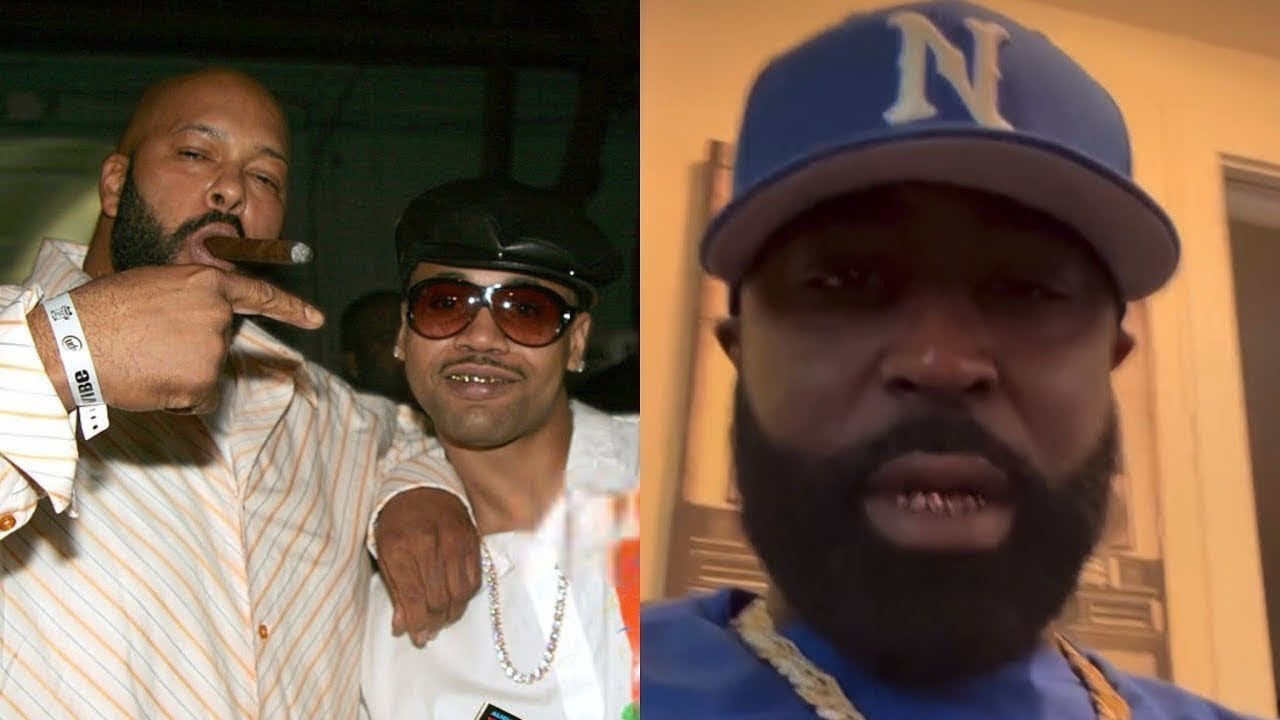
The simmering feud between hip-hop’s elder statesmen has erupted once again, with former Source magazine CEO Benzino unleashing a fiery tirade against Fat Joe over the veteran rapper’s decision to resurrect a decades-old violent incident involving Young Buck during a recent podcast appearance.
During a tense segment on his own platform, Benzino accused Fat Joe of deliberately stirring the pot to curry favor with 50 Cent and boost his own diminishing street credibility, questioning why the Terror Squad leader would bring up an alleged assault on Young Buck from over twenty years ago while sitting alongside G-Unit affiliate Tony Yayo.
 “Young black men and Latino men in this case that come from nothing and are blessed to get a lot to sit on here and speak,” Benzino said, his frustration palpable as he addressed the responsibility that comes with the massive platforms now controlled by hip-hop legends. “Fat Joe and Kiss, I’ve known them for a long time, each one of them.”
The explosive commentary comes on the heels of Fat Joe and Jadakiss celebrating their recent Netflix deal, a milestone that should represent the pinnacle of their careers. Yet Benzino argues that instead of using their newfound influence to uplift, the pair are trafficking in dangerous nostalgia that could have real-world consequences for impressionable youth.
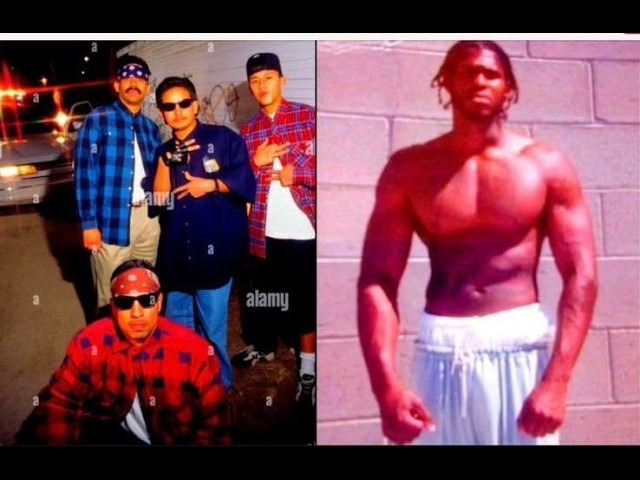
Benzino’s central grievance centers on a specific episode where Fat Joe recounted how he and others allegedly jumped Young Buck in Chicago, a story shared in front of Tony Yayo that immediately reignited tensions in a beef that has never truly been resolved. The former Source executive demanded to know what possessed Fat Joe to revisit such volatile territory.
“Why would you want to rehash that? You got kids, older kids. Buck got older kids, man,” Benzino pressed, his voice carrying the weight of someone who has seen the destructive cycle of hip-hop violence up close.
“We got so many stories probably of violent situations with each other in the industry. Why rehash it now?”
The criticism extended beyond Fat Joe, as Benzino took direct aim at Tony Yayo’s own history of trading in violent narratives. In a particularly biting moment, he challenged the G-Unit rapper’s tough-guy persona by referencing an incident involving Cash Out Lotto from Brooklyn’s Brownsville section.
“Why didn’t you ask Tony Yayo about when Cash Out Lotto from Brooklyn, from Brownsville, poured the cereal on his head in Rikers?” Benzino asked rhetorically, exposing the selective nature of the war stories these artists choose to amplify. “Since y’all want to tell these stories so much.”
The commentary reflects a growing concern within hip-hop about the ethics of storytelling when the men telling those stories are now in their fifties and sixties, far removed from the volatile circumstances of their youth. Benzino argued that these tales, once shared on massive platforms, take on new meaning and influence.
“When these older guys want to tell their stories, and then they get the clicks and comments, it’s usually from people that never lived that life,” he observed, pointing to the voyeuristic appeal that violent hip-hop narratives hold for audiences who have never experienced that reality. “Not even the same culture.”
Benzino’s critique cuts to the heart of a troubling dynamic in today’s media landscape, where controversy and conflict are currency. He accused Fat Joe of knowing exactly what he was doing, leveraging provocative stories to generate engagement and maintain relevance in an attention economy that rewards 𝒹𝓇𝒶𝓂𝒶 over substance.
 “It has to be some type of responsibility not to bring up old to try to rehash violence that happened when you was younger and a lot more less mature,” Benzino insisted, laying out a standard of accountability that he believes is sorely lacking among his peers.
The podcast host, Oshea, who has remained largely neutral throughout the broader beef, found himself agreeing with Benzino’s assessment. In a rare moment of alignment, he praised the former Source CEO for speaking with clarity and common sense on an issue that has divided hip-hop’s old guard.
“Shout out to Benzino cuz this is one of the few times I’ve heard him talking with a clear mind,” Oshea said. “He’s talking some sense here. It makes sense.”
The controversy raises uncomfortable questions about what drives veteran artists to continue seeking validation through street narratives long after they have achieved legitimate success. Oshea didn’t mince words when addressing this phenomenon.
“To be 50, 60 years old still looking for street cred after you’ve already made it. I mean, that’s the problem with us as a people,” he declared. “We always are looking for acceptance and just that praise from others instead of just, you know what I mean?”
The broader cultural critique extends beyond hip-hop, touching on the modern obsession with attention in all its forms. Oshea connected the dots between Fat Joe’s provocative storytelling and a society that has made virality the ultimate measure of worth.
“Attention is the number one 𝒹𝓇𝓊𝑔 right now,” he asserted. “That’s why all these ladies is out here showing they self half naked on Instagram. That’s why everybody’s got a podcast.
That’s why everybody’s got a YouTube channel. That’s why everybody’s on Tik Tok cuz everybody wants this attention.”
At its core, the dispute between Benzino and Fat Joe represents a fundamental disagreement about the purpose of hip-hop storytelling in 2024. Is it merely entertainment, designed to captivate audiences with tales of survival and triumph against the odds? Or does it carry a heavier burden, a responsibility to consider how these narratives shape the perceptions and actions of younger generations?
 Benzino’s position is clear. He believes that men of a certain age, who have achieved success and escaped the circumstances that once forced them into conflict, have an obligation to move beyond the violence that defined their earlier years. To do otherwise, he argues, is to commodify trauma for clicks and political points within the industry.
“You know what I’m saying? They know this beef isn’t settled, so it’s just adding fuel to the fire, and we need to be more responsible,” the podcast host noted, echoing Benzino’s central demand for accountability.
The reference to 50 Cent, one of hip-hop’s most prolific and merciless combatants, hangs over this entire dispute. Fat Joe’s decision to share the Young Buck story in front of Tony Yayo, a close associate of 50 Cent, struck many observers as a calculated move designed to curry favor with the G-Unit leader, who has been engaged in a years-long war of words with Young Buck.
Benzino’s accusation that Fat Joe was “trying to appease 50 Cent” cuts deep, suggesting that the Bronx rapper’s motivations are political rather than authentic. In the complex ecosystem of hip-hop alliances and rivalries, such gestures carry significant weight.
The irony of Benzino, a man with his own complicated history in hip-hop, emerging as the voice of reason is not lost on observers. Known for his contentious relationships with various artists over the years, including his infamous feuds with Eminem and others during his Source magazine days, Benzino has rarely been positioned as a moral authority.
Yet here he stands, delivering a message about responsibility and maturity that appears to be resonating with listeners who are tired of seeing grown men relitigate ancient beefs for entertainment value. The reception to his comments suggests that perhaps the culture is evolving, even if its most prominent figures have not fully caught up.
The incident also highlights the increasingly blurred lines between journalism, entertainment, and personal vendettas in the podcast era. Fat Joe and Jadakiss have built a successful platform by sharing insider stories from hip-hop’s golden age, but the Young Buck segment crossed a line from nostalgic recollection into active provocation.
Benzino’s demand for a higher standard is not merely about protecting Young Buck’s dignity, though that is certainly part of it. It’s about recognizing that these men, for better or worse, remain influential figures in a culture that has historically struggled with violence and its consequences.
When artists in their fifties and sixties casually recount physical altercations from their youth, they risk glorifying a lifestyle that has already claimed far too many lives in hip-hop’s history. The stories, told without sufficient context or acknowledgment of the pain they caused, become entertainment rather than cautionary tales.
 Benzino’s personal stake in this matter cannot be ignored. As someone who has been on both sides of hip-hop’s volatile relationships, he understands the dangers of unresolved conflicts festering beneath the surface. His urgency suggests genuine concern that Fat Joe’s storytelling could have real-world consequences beyond the podcast studio.
The response from the hip-hop community has been predictably divided. Some defend Fat Joe’s right to tell his story, arguing that podcast guests are expected to share war stories and that censorship of any kind undermines the authenticity that makes these platforms compelling.
Others, however, agree with Benzino’s assessment, seeing the Young Buck anecdote as a deliberate provocation designed to generate controversy and, by extension, revenue. In an era where attention directly translates to financial gain, the incentives for provocative behavior are stronger than ever.
The Netflix deal only amplifies the stakes. With major corporate backing, Fat Joe and Jadakiss now have access to audiences far beyond the traditional hip-hop fan base. Their stories carry weight that extends beyond the culture, projecting images of Black and Latino men into the global mainstream.
Benzino’s question hangs in the air: given that responsibility, is it wise to showcase men in their fifties celebrating violent acts from their youth as badges of honor? Or should these stories be contextualized and conveyed with lessons about growth and redemption?
Oshea’s commentary frames this as a problem endemic to the culture. The desire for acceptance, the need for external validation, and the addiction to attention are pathologies that afflict not just hip-hop artists but the broader American populace.
“Controversy creates cash,” Oshea stated flatly, summarizing the cold calculus that likely motivated Fat Joe’s decision to bring up Young Buck. In this view, the story was not a spontaneous recollection but a strategic choice designed to maximize engagement.
If that calculation is correct, then Benzino’s outrage is not merely misplaced anger but a principled stand against a toxic dynamic that corrupts hip-hop’s potential for positive influence. He is calling out the industry’s tendency to cannibalize itself for entertainment value.
The question now becomes whether Fat Joe will respond. Known for his sharp tongue and willingness to engage in verbal combat, it seems unlikely that he will let Benzino’s accusations go unanswered. The situation is primed to escalate, with both men possessing the platforms and the history to ensure this dispute receives maximum attention.
For the culture, this represents yet another chapter in the ongoing saga of hip-hop’s aging warriors refusing to let go of the battles that defined their youth. The tragedy is that these conflicts, however commercially lucrative, ultimately diminish the legacy of the artists involved.
Benzino’s parting message is a call for maturity, for men of a certain age to recognize that they have outgrown the need to prove themselves through violence, real or imagined. It’s a message that applies not just to Fat Joe but to everyone who uses these platforms to trade in the currency of conflict.