Rick Ross fires back at Miami rapper Brisco amid a fiery controversy over street credibility and accusations of snitching that allegedly derailed Brisco’s career. Ross demands accountability from Brisco, challenging his courtroom testimony and calling out the rapper for blaming others, intensifying a feud exposing raw truths behind the glamorized gangster image.
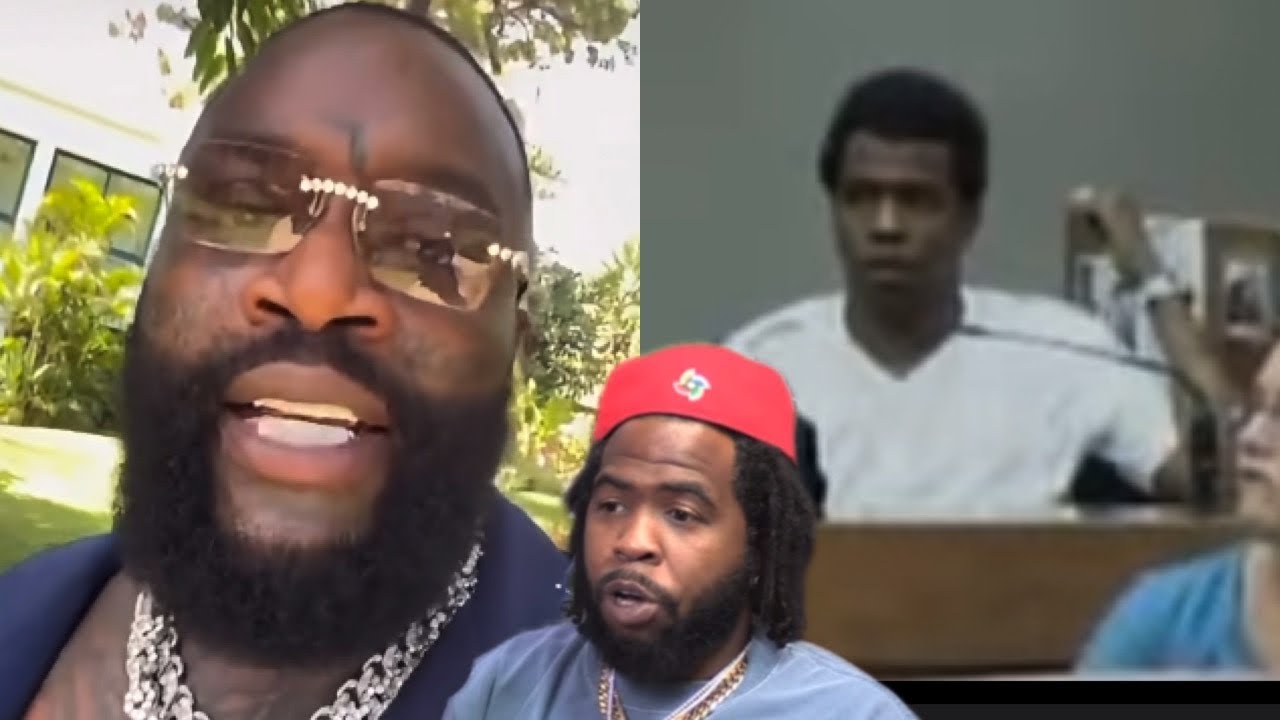 The clash exploded following Brisco’s recent comments accusing Miami’s music community, including Rick Ross, of turning their backs on him. Brisco claimed the industry blackballed him after he testified in court linked to a robbery incident, calling it the death knell for his career. Ross now hits back with a blistering response demanding responsibility.
In a compelling rebuttal, Rick Ross emphasized the need for accountability, directly confronting Brisco’s decision to testify against others involved in his robbery. Ross painted the picture of Brisco entering the courtroom “like George Jefferson,” giving lengthy sentences to his associates, causing irreversible damage to his reputation and standing within the Miami scene.
Ross stressed that while the street code once demanded silence, times have changed, but one must still respect the lifestyle portrayed in their music. “You can’t rap about gangsterism and then turn your back when the streets call,” Ross stated, highlighting the hypocrisy he sees in Brisco’s actions versus his hardcore lyrical themes.
The dispute shines a light on the complicated relationship between authenticity and survival in the rap industry. Ross acknowledged Brisco’s talent and past success, including his role in the critically acclaimed *Carter III* album, yet argued that Brisco’s legacy faces erasure because of his courtroom decisions—where Ross insists Brisco compromised himself.
Brisco’s public frustration centers on feeling excluded from Miami’s top artists’ rankings and perceived as underrated, but Ross refuted these grievances sharply. He accused Brisco of blaming Miami and himself for the fallout instead of owning up to his choices, calling out the rapper for damaging himself with his own courtroom testimony.
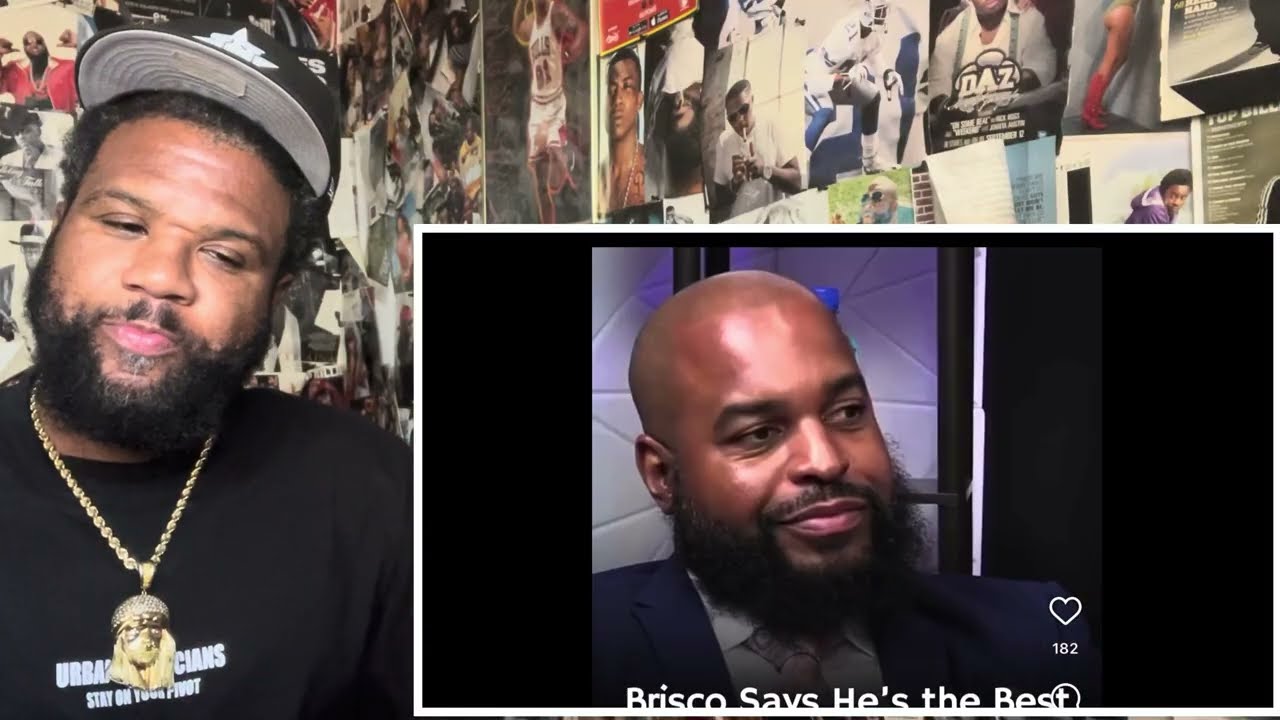 The controversy resurrects painful memories from around 2008-2010 when Brisco was robbed outside a Miami barbershop, an incident captured by media and widely circulated on platforms like WorldStarHipHop. Ross pointed to this event as the turning point where Brisco’s credibility was questioned, exacerbated by his courtroom cooperation causing backlash within the community.
Ross also addressed recent insults directed at Brisco by other artists, like Gucci Mane, suggesting the mocking stems from unresolved tensions about that era’s events. He expressed disappointment at how Brisco now frames his career’s decline as others’ fault, cautioning that the streets and fans won’t overlook acts perceived as betrayal.
Both artists represent larger conversations within hip-hop regarding the influence of street narratives on young audiences and the responsibility artists hold. The dispute underscores harsh realities faced by those who promote gangster lifestyles yet encounter serious consequences when real-life situations clash with their public personas.
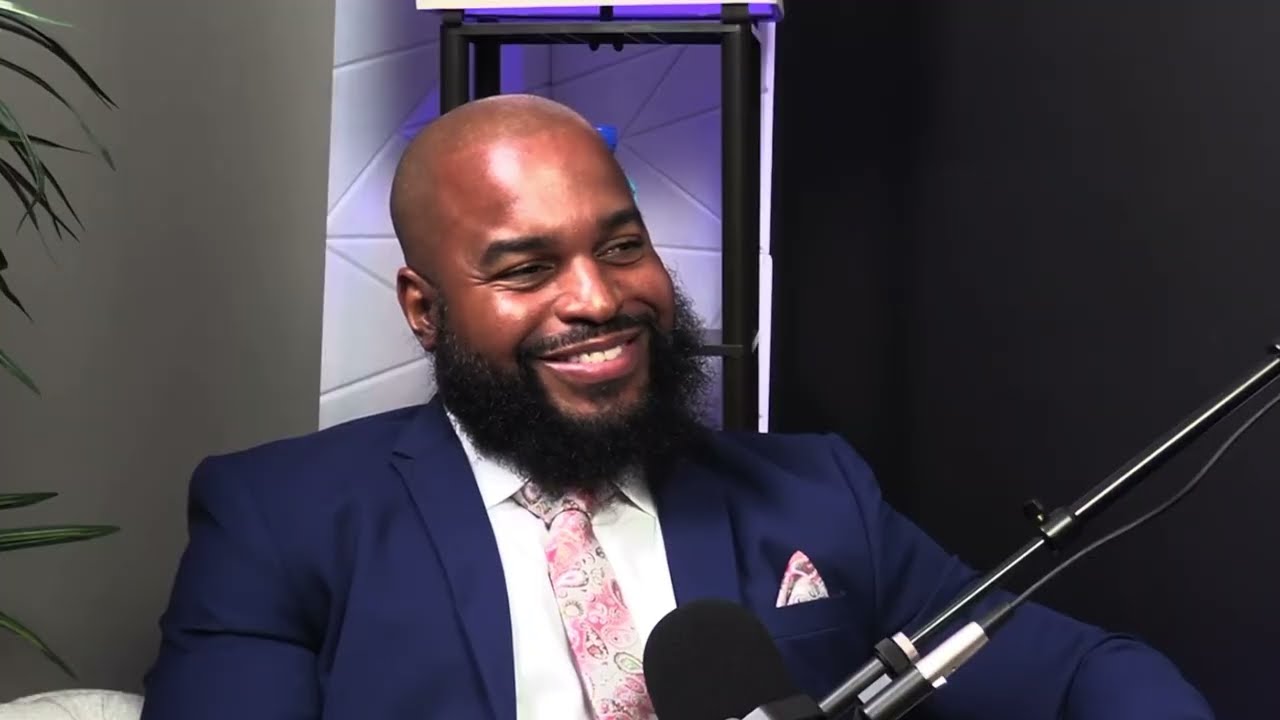
Podcast hosts from the *Talks with AJ* show, who facilitated Brisco’s controversial statements, highlighted the dilemma of staying true to a tough street image while navigating the legal and social consequences of high-profile incidents. Their challenging questions pushed Brisco to address these conflicts openly, sparking the blistering response from Ross.
In his address, Ross urged Brisco to reach out to the prosecutor involved in his case and “move on” rather than blaming others. Ross framed the conflict as one of personal responsibility over external blame, emphasizing that success and respect in the rap game demand owning one’s actions even when the street code evolves.
This unfolding saga adds a new chapter to Miami’s rap history, where loyalty, reputation, and survival intertwine with personal decisions and the harsh realities of legal entanglements. Fans and industry peers alike now watch closely as these high-profile accusations and defenses play out publicly, revealing the fragile balance between street authenticity and personal accountability.
Rick Ross’s assertive response is a stark reminder that in the world of hip-hop, every move is scrutinized, and the street code—whether evolving or rigid—still dictates respect and consequences. The feud exposes the raw tensions behind the glamorized gangsta rap narrative and challenges artists to reconcile image with reality.
As the 𝒹𝓇𝒶𝓂𝒶 continues, it remains clear that Brisco’s career trajectory and legacy hang in the balance amid this public exchange. Ross’s demand for accountability serves as a broader warning for artists navigating the perilous intersection of street life and mainstream success in an unforgiving industry.
The Miami hip-hop community faces renewed scrutiny regarding how it supports or ostracizes its own when legal and personal battles arise. This dispute brings to light hard questions about loyalty, betrayal, and survival in an environment where reputation can be a fragile, powerful currency.
 Observers note that the conversation extends beyond individual grievances, touching on themes of influence, mentorship, and the responsibility of artists to their communities—especially when younger audiences idolize the gangster lifestyle. The fallout may prompt deeper reflections on how rap culture shapes, and is shaped by, these contentious realities.
Rick Ross, a veteran with significant influence, uses this moment to assert his stance on integrity and consequences, pushing for a harsher reckoning within Miami’s rap circles. His message resonates as a call for artists to accept accountability or face marginalization and rewriting from the history of the culture they help create.
The feud also spotlights how social media and 𝓿𝒾𝓇𝒶𝓁 content have transformed the stakes, turning personal legal struggles into public spectacles that can make or break careers. The widespread circulation of Brisco’s court testimony and robbery video has amplified the fallout, a new dynamic every modern artist must navigate carefully.
Industry insiders speculate this exchange may affect future collaborations, label support, and public perception of those involved. With Ross’s towering presence and Brisco’s candid frustrations trending, the Miami rap scene braces for the ripple effects of this confrontation on its tight-knit but often volatile community.
For now, Rick Ross’s robust response puts Brisco and his supporters on notice: accountability is non-negotiable. In a genre where image can define legacy, how one handles adversity often dictates whether they rise or fall. This latest episode will undoubtedly fuel ongoing debates about authenticity, loyalty, and survival in hip-hop’s gritty heartland.