The federal murder-for-hire trial of Chicago rapper Durk Banks, known professionally as Lil Durk, entered its tenth day in a Los Angeles courtroom on Thursday, with defense attorneys landing a series of significant blows against the government’s star witness, according to legal commentator Ceddy Nash, who posted a detailed breakdown of the day’s proceedings online.
Nash’s analysis, which he says was compiled from court notes and insider sources, paints a picture of a federal case that is fraying at the edges, despite the high-profile nature of the charges. The rapper is accused of orchestrating the 2022 shooting of rival Quando Rondo, born Tyquian Bowman, who survived the attack, though his cousin, Saviay Robinson, was killed in the incident.
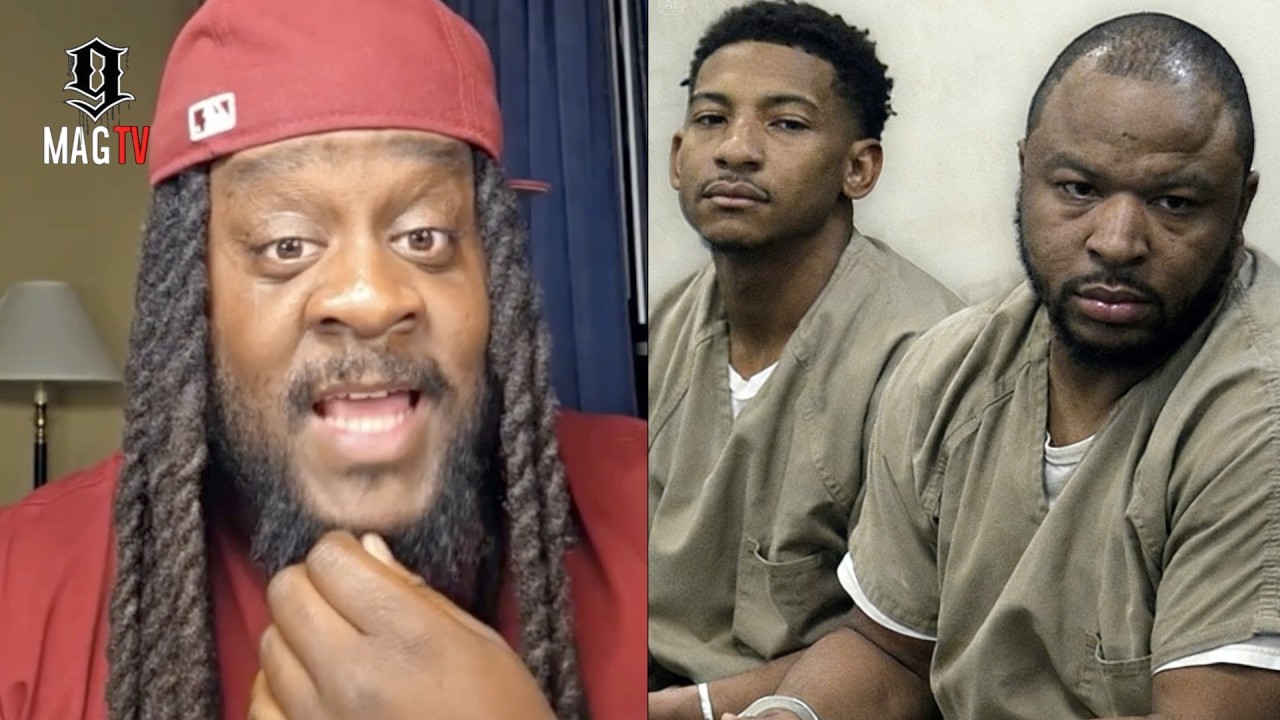 The prosecution’s case, which has heavily relied on the testimony of a cooperating witness identified as Vonnie, also known by his legal name Grant, appears to be facing credibility issues that the defense was eager to exploit on Day 10.
According to Nash’s recap, the most critical development came when an FBI agent testifying for the government was forced to concede that the phone records presented to the courtroom showed a 𝓈𝒽𝓸𝒸𝓀𝒾𝓃𝑔 lack of communication between Banks and the alleged co-conspirators in the days immediately preceding and following the fatal shooting.
Investigators analyzed toll records for the communications among Banks, his associates, and the alleged triggerman, Lindsey, for the pivotal dates of August 18th and 19th, 2022. When directly asked whether the toll record showed a lot of communication between the parties, the agent’s response was a simple, definitive “they were not.” Nash highlighted this moment as a major victory for the defense, arguing it undermines the narrative of a closely-coordinated plot directed by Banks.
The government tried to stem the tide of this damaging admission by suggesting that the encrypted nature of FaceTime calls would keep them hidden from standard phone records, an argument that Nash quickly dismantled. He pointed out that modern iPhone data logs actually do retain FaceTime call records, and more importantly, that the alleged co-conspirator, Vonnie, had willingly handed over his phone to authorities, a move that would have 𝓮𝔁𝓹𝓸𝓼𝓮𝓭 any such encrypted calls if they existed.
“He’s making it’s all made up,” Nash proclaimed, suggesting that the absence of direct evidence was proof of a narrative shift rather than the existence of hidden, inexpiable communications. The energy of his commentary shifted to the credibility of the government’s key witness, Vonnie. Nash alleges their story is “getting better” after hours of preparation with the government.
 The defense apparently hammered Vonnie on the stand regarding inconsistencies between his current testimony and his earlier interviews. Specifically, Vonnie alleged that Banks ordered the hit detail to accompany him, but he conceded that this detail never appeared in his initial several interviews with law enforcement, a critical omission that the defense jumped on, labeling it a “made-up” addition to the story.
Nash highlighted a glaring piece of physical evidence that he believes further undermines Vonnie’s credibility, involving a purchase that is at the center of the preparation for the attack. Records presented by the government apparently show that Vonnie purchased four ski masks, but testimony indicates he believed only three others were coming.
“He said he bought four ski masks and he only thought three people were coming,” Nash pointed out. “Who was the fourth ski mask for?” This inconsistency appears to suggest that Vonnie was either saving a mask for a person who was not part of the tracking or that the planning was more haphazard than the prosecution is suggesting.
Nash tore into the government’s timeline of events. He noted that the alleged preparation for the murder took place on the Saturday before the attack and then again the following Saturday. Federal agents who took the stand yesterday admitted that they didn’t even know multiple key facts about the defendant’s private life, such as the fact that the rapper’s producer, his kids, and even his mother-in-law were all staying at the same houses.
 This revelation led the defense to argue a “normal” explanation for why Banks constantly changed his phone numbers, a habit the FBI previously characterized as “drastic evasion.” Defense argued that it was simply a means of managing a chaotic home household with many guests, not a tool for coordinating a secret 𝓀𝒾𝓁𝓁.
Nash’s breakdown also touched on why Jury Banks allegedly referred to a key witness as “spoiled chicken” in a recorded call. Banks called Jam a “snitch,” but the comment was based off what a homeboy told him. Was it high jinks, was it a slip of the tongue, or was it the cause of a broader betrayal?
The commentary suggests that the defendant knows something the jury doesn’t.
Further revelations claimed that Durk never bought the phone used in the plot. “Dange bought the phone. Vonnie bought the damn phone,” Nash stated.
 There is growing sentiment, he added, that the government’s entire case is now shown to be stressed, based on the fact that it is a low-paid “Vonnie” who controlled the paper trail, ordered the Uber, and had access to Banks’ credit cards.
According to the analyst, the government will close their case today with a video of Lil Durk trying to bounce out, trying to leave. But for the listeners, Nash concludes with a somber and clear picture: the current case is built on the testimony of a man who wants to be down so bad, a man who is a “name chase” with a propensity for violence. As for the phones?
“The phone don’t matter,” Nash said, “But what about that text that says don’t book no more fighters up under my name?”