In the fast-paced, filter-heavy universe of TikTok where self-made stars rise and fall with a single viral clip, few stories capture the dark underbelly of online fame quite like that of Mason Hull, better known to his hundreds of thousands of followers as “Hullo.” At just 18 years old, this Florida-based content creator had carved out a niche in the controversial “looksmaxxing” community, dishing out tips on jawline sculpting, skincare rituals, and mirror selfies that promised everyday guys a shot at model-level confidence. His videos, filled with dramatic poses and motivational vibes, once drew in over 300,000 admirers eager to chase the perfect glow-up. But what seemed like a glittering path to influencer glory has now spiraled into a nightmare of legal trouble and public betrayal, exposing secrets that no amount of editing could hide.
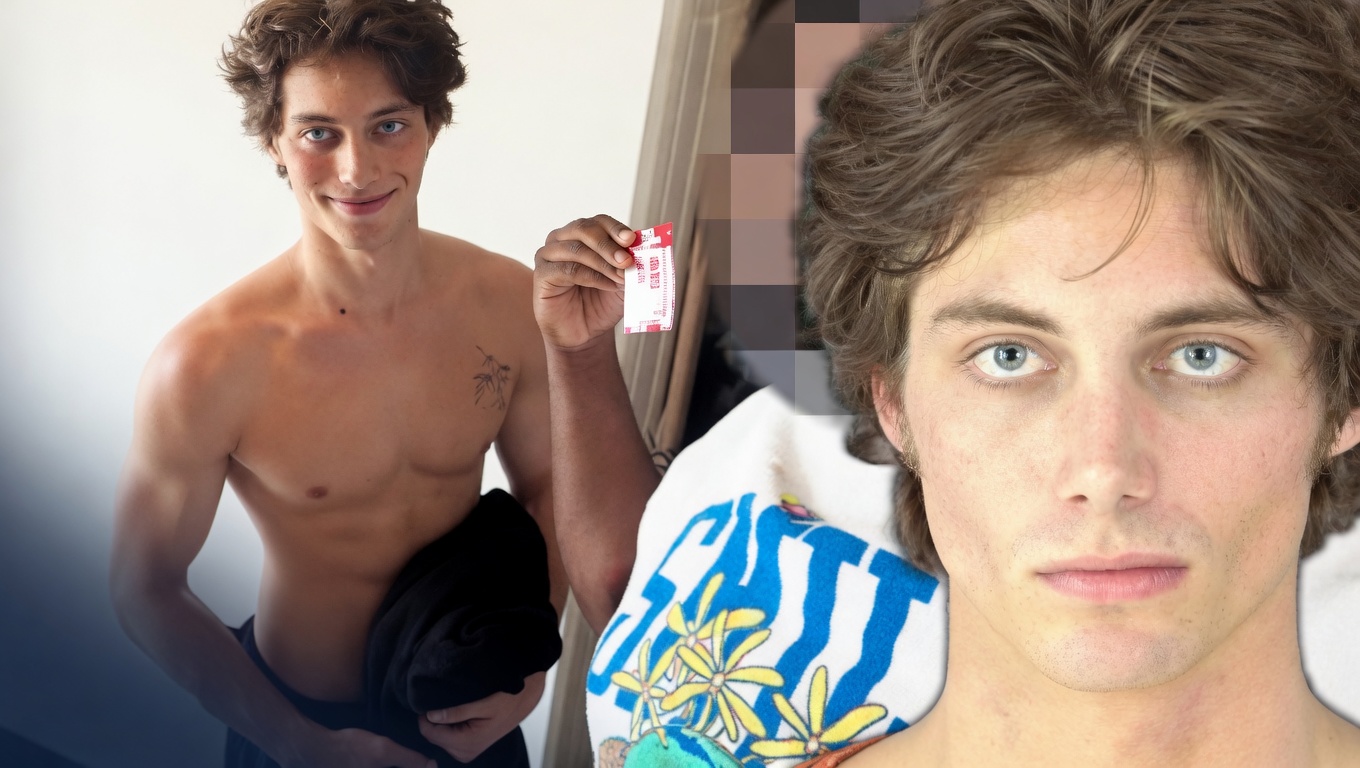
It all unfolded on a tense April evening in 2026 when Hull’s then-girlfriend, Livia Coon, began to suspect something was off in their eight-month relationship. What started as a routine check for signs of cheating quickly turned into a discovery that would shatter lives and ignite a full-scale investigation. While Hull slept, Coon picked up his phone and dove into the apps, her instincts leading her straight to Telegram. There, amid the encrypted chats that promise privacy, she uncovered a trail of horrifying messages. Payment confirmations, links to explicit content, and videos showing the sexual assault of young girls as young as eight years old stared back at her. The material wasn’t casual browsing; it was purchased, downloaded, and apparently sought out deliberately.
Horrified yet determined, Coon didn’t hesitate. She snapped screenshots of the damning evidence and immediately contacted the Sarasota County Sheriff’s Office. Her bravery set off a rapid response from law enforcement, who obtained a search warrant and seized Hull’s devices for forensic examination. Detectives moved swiftly, interviewing the young influencer on May 6. In a voluntary statement where he waived his Miranda rights, Hull openly admitted to using Telegram as his gateway for the illegal material. He described his actions as an attempt to “try something new and taboo,” confessing to spending money on at least two separate occasions to access links containing child sexual abuse material, often referred to as CSAM.
The details that emerged painted a chilling picture of double lives colliding. In one recorded confrontation shared across social platforms, Coon could be heard pressing Hull about the content involving young girls. His responses, captured in audio, revealed moments of admission mixed with guilt. “I know. And then after it happened that time, I was guilty,” he reportedly said, later acknowledging the volume of purchases. Yet, even as the investigation closed in, Hull took to his own social media to push back. In a post that quickly circulated among followers, he claimed no stress over the situation, calling it a “coincidence” tied to their breakup and vowing to release a video revealing the “truth” in due time. That defense, however, did little to stem the tide of outrage building online.
Hull now stands accused on 15 felony counts related to the possession and distribution of child sexual abuse material under Florida law. The charges carry heavy consequences, with potential sentences starting at a minimum of five years and escalating up to 15 or more depending on aggravating factors like the graphic nature of the content, the number of files involved, and the ages of the victims depicted. After posting a substantial $112,000 bail, he was released with strict conditions: a complete ban from accessing social media and limitations on contact with minors while awaiting his court appearance scheduled for early June. Legal experts following the case note that the combination of Coon’s eyewitness testimony, the physical evidence from the phone, and Hull’s own admissions create a particularly strong foundation for prosecutors.
This scandal has thrust the “looksmaxxing” trend into the harsh glare of mainstream scrutiny. For those unfamiliar, looksmaxxing emerged from niche online forums as an extreme self-improvement movement, often overlapping with communities of young men feeling overlooked or insecure. It involves hyper-focused routines like “mewing” to define the jaw, aggressive skincare regimens, fitness overhauls, and sometimes riskier interventions such as cosmetic fillers or even surgical enhancements. Hull’s content exemplified this world perfectly—endless mirror flexes, makeup tutorials for that flawless finish, and before-and-after transformations that inspired his young male audience to chase validation through appearance alone. His account, once a hub of aspirational posts, has since gone private, leaving behind a digital ghost town filled with speculation and repurposed clips.
As news of the arrest spread like wildfire through TikTok, Instagram, and Threads, reactions poured in from every corner. Supporters of Coon hailed her as a hero for refusing to stay silent, with many praising her courage in confronting the situation head-on and involving authorities. Others dissected Hull’s persona, labeling his online presence as narcissistic or even “soulless” based on the polished yet eerie quality of his videos. Comments flooded in questioning the mental health impacts of looksmaxxing culture, suggesting it could foster deeper issues like obsession, isolation, or escalating behaviors when the initial highs of likes and comments wear thin. Some drew connections to broader generational challenges, pointing to unfettered early internet access as a gateway that desensitizes young users to extreme content over time.

The case also shines a spotlight on the shadowy role of encrypted messaging platforms like Telegram in facilitating illicit trades. Privacy features that protect everyday users can, in darker corners, shield those engaging in illegal activities, making it easier to buy, sell, and share prohibited material without immediate detection. Child protection advocates have long warned about these vulnerabilities, calling for tech companies to balance user rights with greater responsibility. Debates around laws like Section 230, which currently limits platform liability for user-generated content, have reignited, with some arguing that changes could force quicker action against harmful networks. In Hull’s situation, the ease of accessing paid links underscores how digital anonymity can enable hidden crimes even among those living very public lives.
Beyond the legal drama, this story taps into the emotional rollercoaster of influencer culture. Young creators like Hull chase fame in a world where metrics define worth—views, followers, engagement rates becoming the ultimate currency. The pressure to stand out can blur boundaries between self-expression and self-destruction, especially in trends that emphasize physical perfection above all else. Mental health professionals often highlight how constant self-scrutiny, amplified by algorithms and filters, contributes to anxiety, body dysmorphia, and risky coping mechanisms. Hull’s transformation from confident content king to accused felon serves as a stark reminder that behind every curated feed lies a real person navigating complex pressures, sometimes with devastating results.
Public discourse has exploded with a mix of disbelief, anger, and calls for justice. Hashtags tied to Hull’s name trended as users shared old videos alongside the shocking allegations, turning what was once entertainment into cautionary tales. Parents of teens active on social media are using the moment to spark conversations about online safety, while fellow creators reflect on the responsibilities that come with influence. Some express sympathy for a young man who might have needed support rather than endless adoration, yet the overwhelming sentiment demands accountability, emphasizing that fame offers no shield against harming the vulnerable.
As the courtroom chapter begins, all eyes remain on Sarasota County where Hull’s fate will unfold. The upcoming hearing promises more revelations, potential pleas, and a deeper dive into the evidence that brought everything to light. In the meantime, the influencer landscape continues its relentless churn, but this case lingers as a powerful warning. The pursuit of likes and the perfect image can sometimes mask deeper struggles, leading down paths no one anticipates. For those who once looked up to figures like Hullo for inspiration, the fallout prompts a reevaluation of what truly defines success in the digital age—authenticity, resilience, or something far more fragile.
Ultimately, Hull’s dramatic descent from TikTok darling to defendant highlights the unpredictable nature of internet stardom. One moment you’re flexing in the mirror for millions; the next, your private world is laid bare for judgment. It is a tale as old as celebrity itself, updated for the algorithm era: rise fast, fall harder, and leave behind lessons that echo far beyond the screen. As authorities press forward and the public processes the shock, this scandal reinforces a timeless truth in the world of viral fame—behind the glow-ups and the glitz, reality can deliver the most unforgiving plot twist of all.