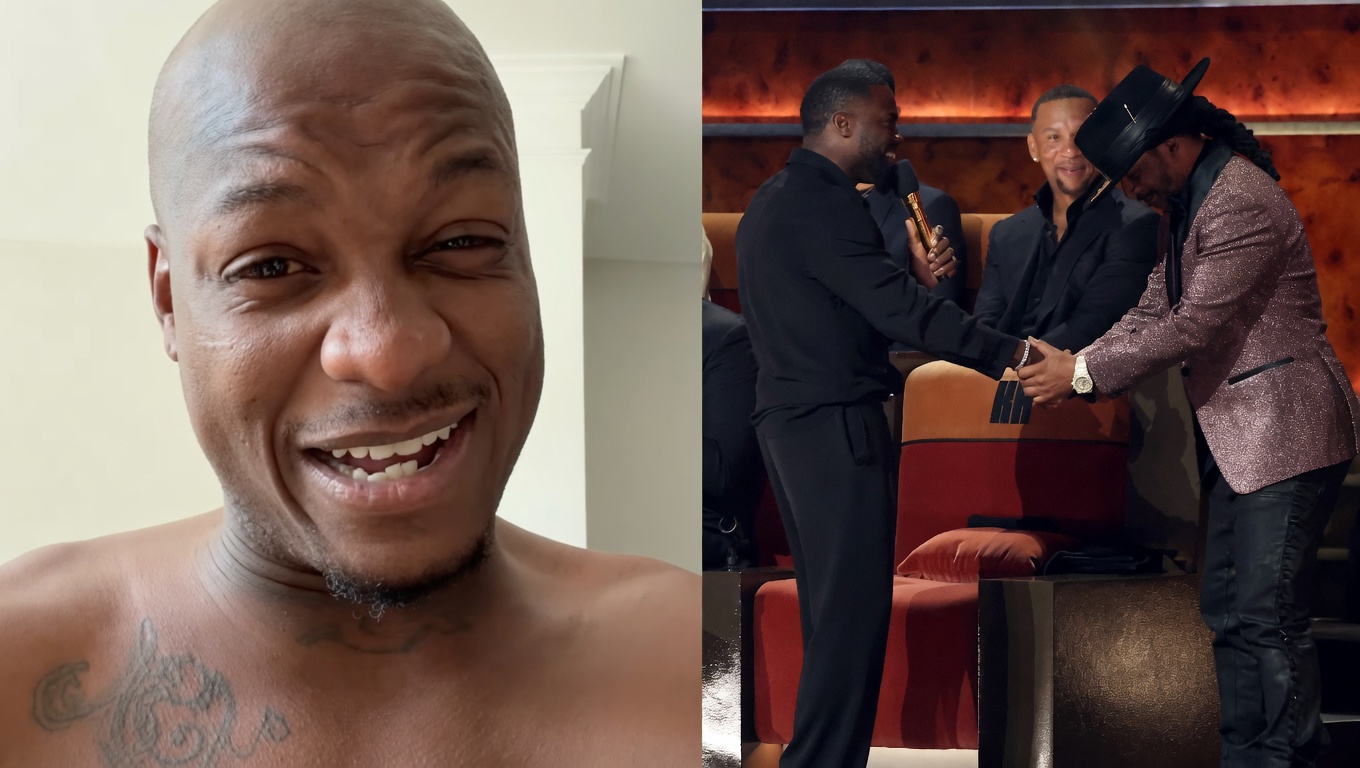
In the cutthroat arena of hip-hop where million-dollar deals clash with street realities, few stories hit harder than the rapid downfall of an artist who seemed poised for a fresh start. Foogiano, the talented rapper once hailed as Gucci Mane’s last major signing to the iconic 1017 label, made headlines for all the wrong reasons this week. Released from a five-year federal prison stint in late April 2026, the Atlanta native barely tasted freedom before landing back in custody on probation violations. The swift turnaround has sent shockwaves through the industry, with insiders pointing fingers at exploitative contracts, lack of support, and a label system that many now call outdated and unfair.
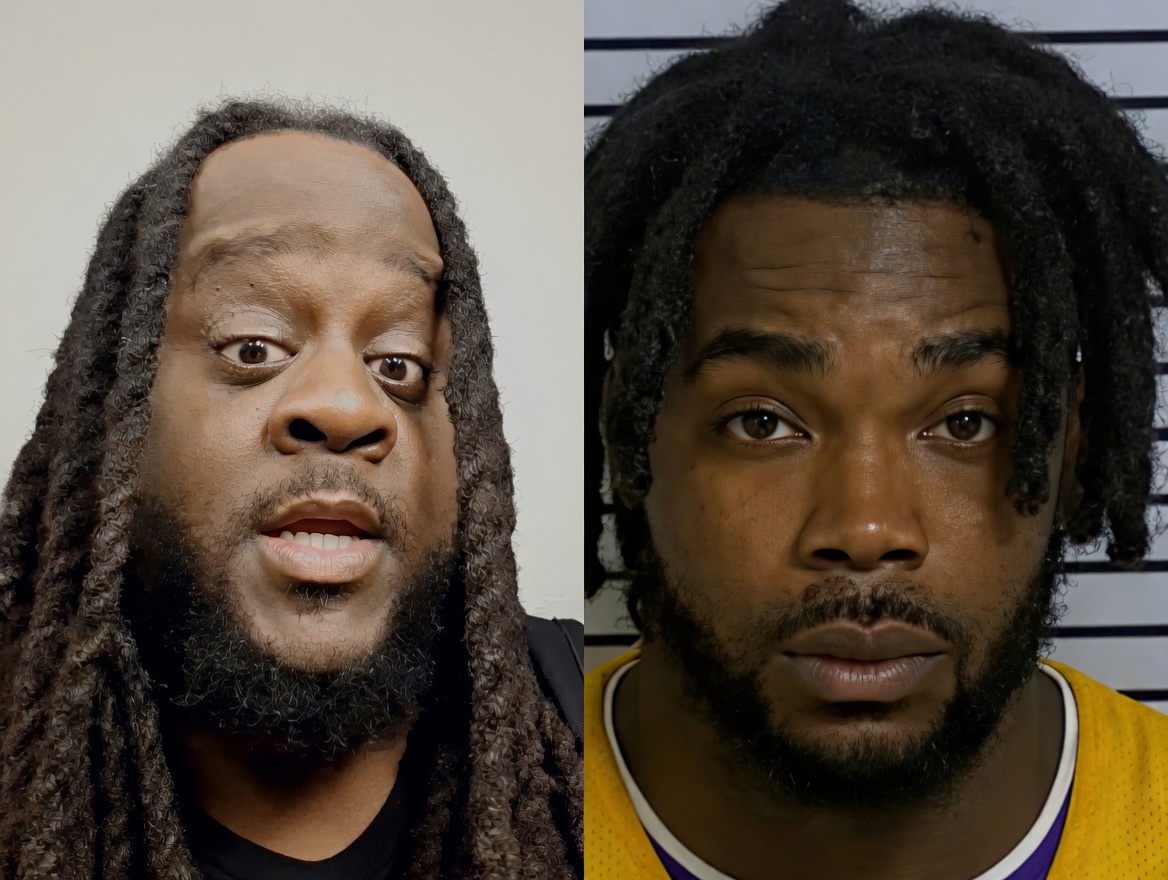
Foogiano’s original incarceration stemmed from serious federal charges, but his release was supposed to mark a triumphant comeback. Fans eagerly awaited new music, tours, and the kind of street-to-success narrative that defines Southern rap legends. Instead, reports surfaced of curfew breaches, missed check-ins, and late nights that violated the strict terms of his supervised release. While some chalked it up to old habits dying hard, others dug deeper and uncovered a narrative of financial desperation and label neglect that allegedly pushed the rapper toward risky decisions. With no steady income stream and mounting pressures, staying compliant proved impossible for a young artist still finding his footing outside prison walls.
At the center of the growing controversy stands Gucci Mane himself, the self-made trap icon whose 1017 imprint launched careers like those of Pooh Shiesty and others before them. Once celebrated for spotting raw talent and turning it into platinum hits, Gucci now faces blistering accusations of prioritizing control over artist welfare. Critics claim that Foogiano, like several before him, signed into a deal that left him with little financial upside despite the label’s massive visibility. Stories of delayed payments, restricted features, and creative blocks have circulated for years in hip-hop circles, but Foogiano’s situation has brought the conversation to a boiling point. Industry watchers argue that when an artist can’t even afford basic stability post-release, probation violations become almost inevitable.
The backlash has been swift and unforgiving across social media and rap forums. Voices from within the culture are openly questioning whether Gucci’s hands-off approach after Foogiano’s release contributed to the setback. No welcoming social media posts, no public support, and reportedly zero resources funneled toward reintegration left the rapper vulnerable. One prominent commentator summed up the frustration perfectly: Gucci talks big about future plans for his roster, yet fails to deliver the immediate safety net artists need most. This isn’t just about one probation slip—it’s about a pattern that insiders say has been repeating across the 1017 roster, eroding trust and loyalty from the very streets that built the brand.
Foogiano’s legal troubles aside, the real story brewing is the potential collapse of Gucci Mane’s once-dominant label machine. With key artists either incarcerated or quietly distancing themselves, 1017 finds itself at a crossroads. Pooh Shiesty, another high-profile signee, remains behind bars with his own set of challenges, leaving Foogiano as the final flagship talent. If the claims hold water, the label’s ironclad contracts—designed to protect the brand—may actually be strangling the very creativity that made it famous. Legal experts following the case suggest that disgruntled artists could pursue civil action, challenging everything from advance recoupment practices to restrictions on independent features. In an era where independent artists thrive by selling verses directly to fans for quick cash, being locked into an unfavorable deal feels like career suicide.
The hip-hop community has long debated the fine line between label protection and artist exploitation. Gucci Mane built his empire on authenticity, turning his own legal battles into motivational anthems that resonated with millions. Yet detractors now argue that the same system he navigated successfully has become a trap for the next generation. Foogiano’s situation highlights a broader issue plaguing the industry: young rappers fresh out of prison often lack the financial literacy or support network to navigate probation while rebuilding. Without proper guidance or revenue streams, the temptation to bend rules for quick money becomes overwhelming. Supporters of Foogiano point out that independent moves—like dropping surprise features or leveraging social media for direct fan sales—could have kept him afloat, but label clauses allegedly blocked those paths.
As details continue to emerge, the drama has split fans into two camps. Loyal Gucci supporters defend the label boss, insisting artists must take personal responsibility for their actions regardless of contract terms. They argue Foogiano knew the rules upon signing and that probation is a personal matter, not a label failing. On the flip side, rising voices in the culture demand accountability, urging every 1017 artist to get independent legal reviews immediately. The conversation has expanded beyond one rapper’s arrest to encompass systemic changes needed in rap contracts. Calls for more transparent deals, artist-friendly clauses, and post-release support programs are gaining traction, with some veterans even offering free consultations to affected talents.
Gucci Mane has yet to issue a full public response to the mounting criticism, but his history suggests he thrives under pressure. From his own prison stints to building a multimedia empire that includes reality TV and fashion lines, the “So Icy” boss has proven resilient time and again. However, this latest chapter feels different—more personal and potentially damaging to his legacy as a mentor. If Foogiano’s rearrest stems even partly from label-related frustrations, it could deter future signings and accelerate the shift toward independent rap careers. Platforms like SoundCloud and direct-to-fan sales have already empowered artists to bypass traditional gatekeepers, making rigid label structures look increasingly archaic.
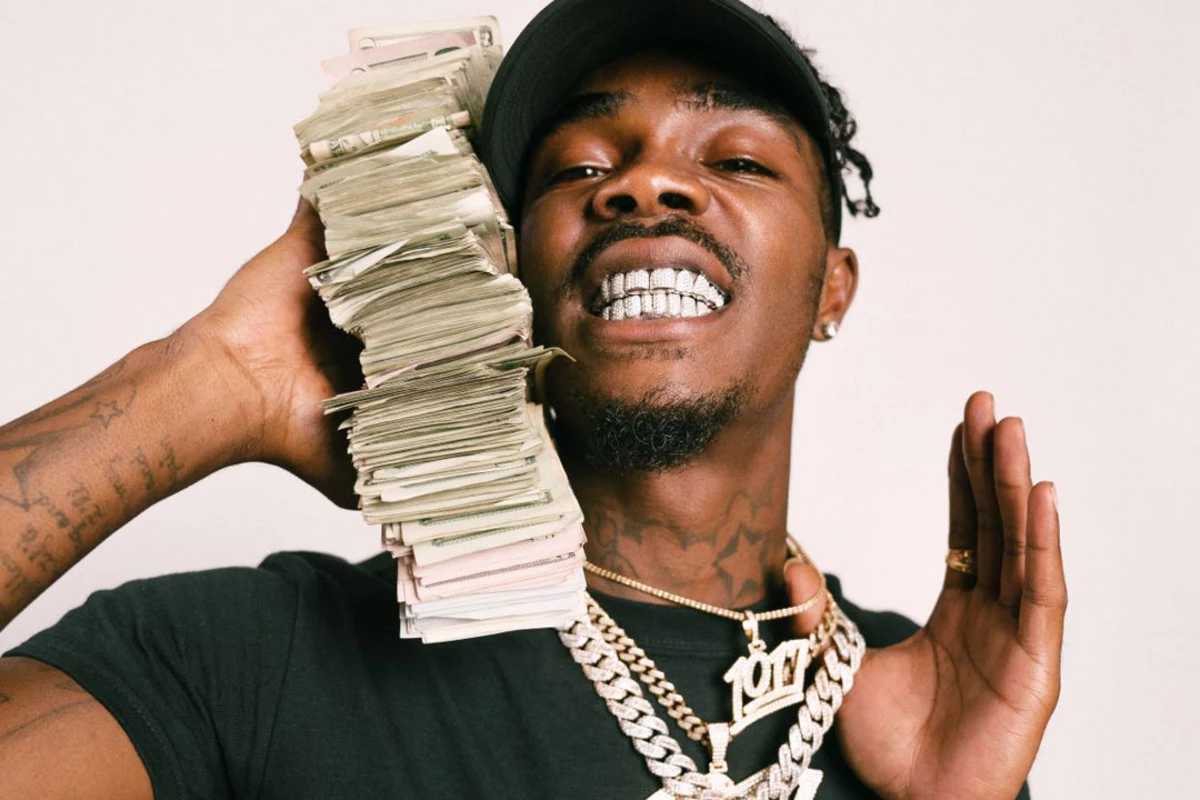
Beyond the legal and financial angles, Foogiano’s story carries emotional weight. Fans who followed his rise remember the raw energy he brought to tracks that captured the Atlanta trap sound perfectly. His time away was supposed to be a period of reflection and growth, setting the stage for a stronger return. Instead, the cycle of incarceration repeats, leaving supporters heartbroken and questioning what went wrong behind the scenes. Mental health advocates within the industry are using the moment to highlight the overlooked struggles of reentry—how the pressure to maintain an image while battling real-world restrictions can break even the strongest spirits.
As the case unfolds in court, all eyes remain on Gucci Mane and the future of 1017. Will this serve as a wake-up call for reform within the label, or will it mark the beginning of its decline? Foogiano’s next moves—whether through legal challenges or independent hustles—could set precedents for artists everywhere. In the meantime, the rap world continues its relentless churn of new releases and viral moments, but this particular drama refuses to fade into the background. It serves as a stark reminder that behind the flashy chains and chart-topping hits lie real human stakes, where one misstep on probation can unravel years of potential.
The entertainment industry has seen countless label implosions before, from Death Row’s dramatic fall to more recent shifts in power toward artist-owned imprints. Gucci Mane’s operation once stood as a beacon of independence in the South, proving that street credibility could translate into corporate success. Yet Foogiano’s rapid return to custody exposes cracks in that foundation. Industry insiders predict that without swift changes—better financial transparency, genuine artist development, and post-release resources—the label risks becoming a cautionary tale rather than a success story.
For Foogiano specifically, the coming months will be critical. Legal proceedings could either free him from restrictive clauses or tighten the noose further. Supporters are already rallying online, sharing old tracks and demanding fair treatment. Whether he emerges stronger or remains trapped in the system depends on how the broader culture responds. In hip-hop, loyalty is everything, but so is survival. This latest twist in the Gucci Mane saga proves that even the most powerful figures in the game aren’t immune to scrutiny when artists start speaking out about the cost of fame.
As the story develops, one thing remains crystal clear: the conversation around artist rights in hip-hop is far from over. Foogiano’s ordeal has thrust it into the spotlight once more, forcing everyone from label executives to fans to examine the true price of a record deal. In an industry built on hustle and resilience, perhaps the real test of legacy isn’t just chart success but ensuring the artists who helped build the empire can thrive long after the ink dries on the contract. The drama continues to unfold, promising more revelations and potentially reshaping how the next generation approaches the music business.