In the vibrant and competitive world of New Orleans hip-hop during the 1990s, where artists rose quickly through raw talent and street-inspired lyrics, few stories capture the attention quite like the early tensions involving Soulja Slim, B.G., and Juvenile. A close associate recently shared fascinating details that paint a clearer picture of what led to those brief but memorable moments of friction between these influential figures. This insider account brings fresh perspective to a chapter in music history that fans have long speculated about, highlighting themes of respect, style, and opportunity in the bustling rap scene.
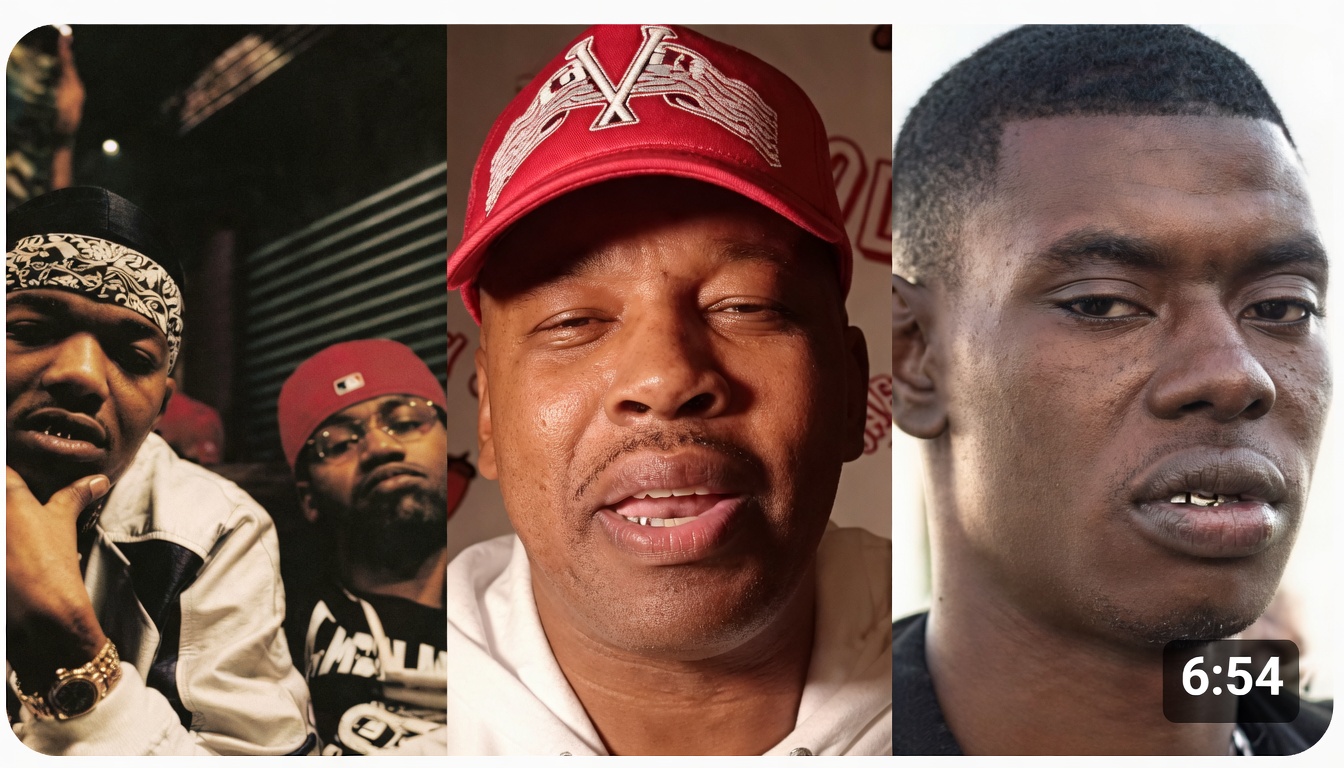
Soulja Slim, often celebrated as a true voice of the streets and sometimes referred to as the down south version of a legendary figure like Tupac, built his reputation by living the experiences he rapped about. His music resonated deeply with listeners because it came from an authentic place, full of energy and real-life narratives from the Magnolia Projects area. While he was navigating personal challenges and spending time away, the music industry in New Orleans was evolving rapidly. Cash Money Records was gaining momentum, with young talents like B.G. and Juvenile stepping into the spotlight and achieving significant success.
According to the insider, who happens to have family ties to the founders of Cash Money, the roots of the tension trace back to this period when Soulja Slim was not present on the scene. B.G. began incorporating elements that echoed Soulja Slim’s distinctive flow and approach, which many noticed as a nod to the established local style. At the same time, Juvenile was making waves with tracks that captured the spirit of the culture, including the popular “Soldier Rag,” which became a standout hit. However, during Soulja Slim’s absence, there were no public acknowledgments or mentions in the lyrics from these rising stars, something that felt like a missed connection to those familiar with the close-knit community.
Upon his return, Soulja Slim expressed a sense of disappointment over how things had unfolded. He felt that the lack of recognition, combined with the adoption of certain stylistic choices, created an uncomfortable dynamic. The insider described how Soulja Slim channeled these feelings into his music, releasing tracks that directly addressed the situation in a way that was typical for artists seeking to assert their originality. One notable example was a song focused on what he saw as style borrowing aimed at B.G., while another raised questions about the origins and credit related to Juvenile’s “Soldier Rag.” These creative expressions were not about ongoing conflict but rather a way for him to voice his perspective and reclaim his place in the conversation.

The associate went on to explain the broader context of support during that time. After Soulja Slim’s release, he received practical help like a cell phone and some resources to get back on his feet, but even those simple gestures later drew unwanted attention from authorities. This period highlighted the challenges many artists faced when balancing personal growth with the demands of the music world. Soulja Slim ultimately decided to align with No Limit Records rather than joining the Cash Money family, a choice the insider attributes partly to the feeling of limited outreach while he had been away. It was a pivotal moment that reflected his desire for an environment where he felt fully valued and supported from the start.
One aspect that stood out in the discussion was the insider’s personal reflection on Soulja Slim’s name evolution. Originally known in the scene as Magnolia Slim, he later adopted Soulja Slim, a change that some close to him believed could have been handled differently to preserve the strong local identity. The associate expressed a sense of what might have been, suggesting that keeping the original name might have allowed the artist’s brand to expand even further on a national level. Despite this, Soulja Slim’s talent and charisma shone through, leading to collaborations that helped bridge any earlier gaps.
Interestingly, what began as moments of tension eventually gave way to more positive developments. The insider noted how Soulja Slim maintained close connections across the hip-hop community, including notable links to influential figures like Tupac, which added to his larger-than-life reputation. His potential to break through on a bigger scale became evident with releases that showcased his versatility. A standout track featuring Juvenile demonstrated how the artists could come together creatively, turning past differences into opportunities for shared success. This collaboration not only highlighted their individual strengths but also underscored the resilient spirit of the New Orleans rap scene, where talent often outweighed temporary disagreements.
The podcast conversation delved deeper into Soulja Slim’s overall impact, emphasizing his role as a bridge between street life and artistic expression. Fans who followed his career remember him for lyrics that captured the essence of resilience and ambition. His style influenced many, contributing to the unique sound that put New Orleans on the map alongside other major hubs. The insider shared anecdotes about how Soulja Slim carried himself with confidence and authenticity, qualities that earned him respect even during challenging times.
Throughout the discussion, the focus remained on the human side of these artists’ journeys. It was not uncommon in the industry for young talents to navigate questions of credit, recognition, and opportunity, especially when careers accelerated at different paces. B.G. and Juvenile were carving out their paths with hits that defined an era, while Soulja Slim was working to reestablish his presence after stepping away. The insider’s account helps listeners appreciate the complexities behind the music, showing that behind the beats and rhymes are real people making decisions based on their experiences and relationships.
As the story unfolded, it became clear that these early dynamics were part of a larger narrative of growth in hip-hop. Soulja Slim’s decision to explore different avenues ultimately allowed him to create music that connected with audiences on a profound level. His entrepreneurial mindset and dedication to his craft served as inspiration for up-and-coming artists facing similar situations today. The insider reflected on how such moments of reflection can lead to stronger foundations, encouraging everyone in the community to value open communication and mutual support.
The New Orleans hip-hop landscape has always been rich with talent, and stories like this one remind fans why the scene continues to captivate global audiences. From the energy of local projects to the bright lights of major labels, artists like Soulja Slim, B.G., and Juvenile represent the heart of what makes the genre so compelling. Their paths, though intertwined with occasional bumps, illustrate the power of creativity to overcome obstacles and build lasting legacies.
Listeners tuning into this revealing discussion come away with a renewed appreciation for the history behind the hits. It serves as a reminder that every successful movement in music has layers of personal stories, choices, and connections that shape its direction. Soulja Slim’s journey, marked by determination and a unique voice, continues to influence new generations eager to tell their own tales through rhythm and rhyme.
In wrapping up the insights shared, the emphasis was on celebrating the contributions of all involved. The brief tensions ultimately highlighted the importance of respect and acknowledgment in collaborative environments. As the conversation encouraged viewers to engage with the content through comments and shares, it opened the door for broader discussions about loyalty and evolution in hip-hop culture.
This insider perspective adds valuable depth to the ongoing appreciation of Soulja Slim’s catalog and his place in the pantheon of New Orleans legends. It invites fans to revisit tracks from that era with fresh eyes, understanding the context that fueled the creativity. Whether through solo work or featured appearances, his impact remains undeniable, proving that authentic expression always finds its way to resonate widely.
The story also spotlights how family and community ties play a role in shaping careers. With connections running deep in the scene, the associate’s viewpoint offered a balanced look at events from someone who witnessed them closely. It humanizes the artists, showing them not just as performers but as individuals navigating ambition, friendship, and the pursuit of success.
Overall, this account enriches the hip-hop narrative by focusing on lessons of perseverance and adaptation. It encourages reflection on how early experiences can influence long-term paths, all while keeping the spotlight on the music that brought these talents together. Fans around the world continue to draw inspiration from these chapters, using them as motivation in their own creative endeavors.
The enduring appeal of such tales lies in their ability to connect across time and place. Soulja Slim’s story, with its mix of challenges and triumphs, stands as a testament to the vibrant spirit of New Orleans hip-hop. As more details emerge from those who were there, the full picture becomes even more compelling, inviting everyone to celebrate the artistry and the people behind it.