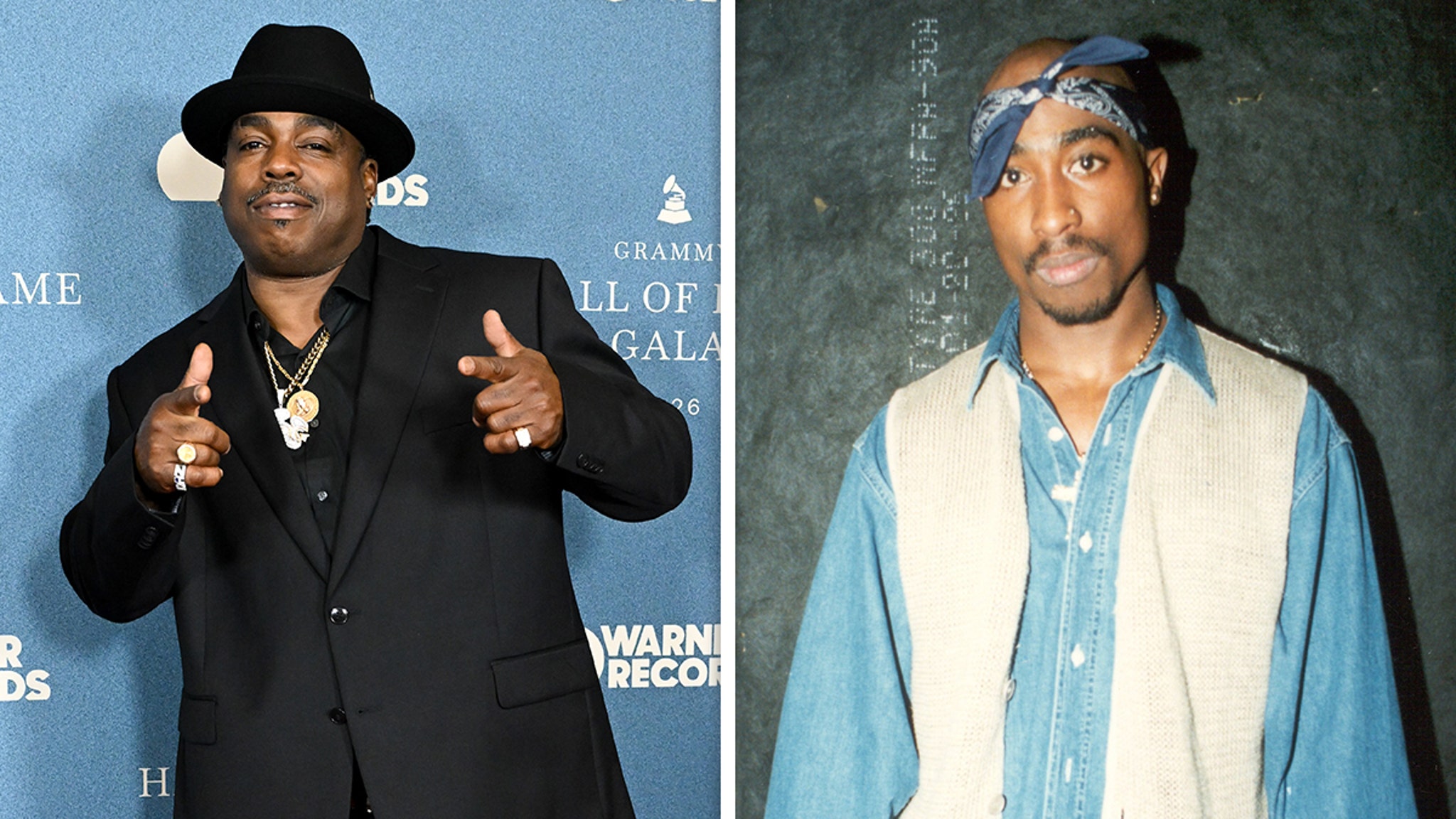
In the ever-evolving world of hip-hop legends and their lasting legacies, a fresh chapter of intrigue has unfolded involving one of the genre’s most respected producers and the iconic estate of Tupac Shakur. Daz Dillinger, the talented artist and beatmaker known for his pivotal role in shaping some of the most memorable tracks in rap history, has taken a significant step by filing a lawsuit against Tupac’s estate. The move centers on claims of unpaid royalties for numerous collaborative works that helped define an unforgettable era in music.
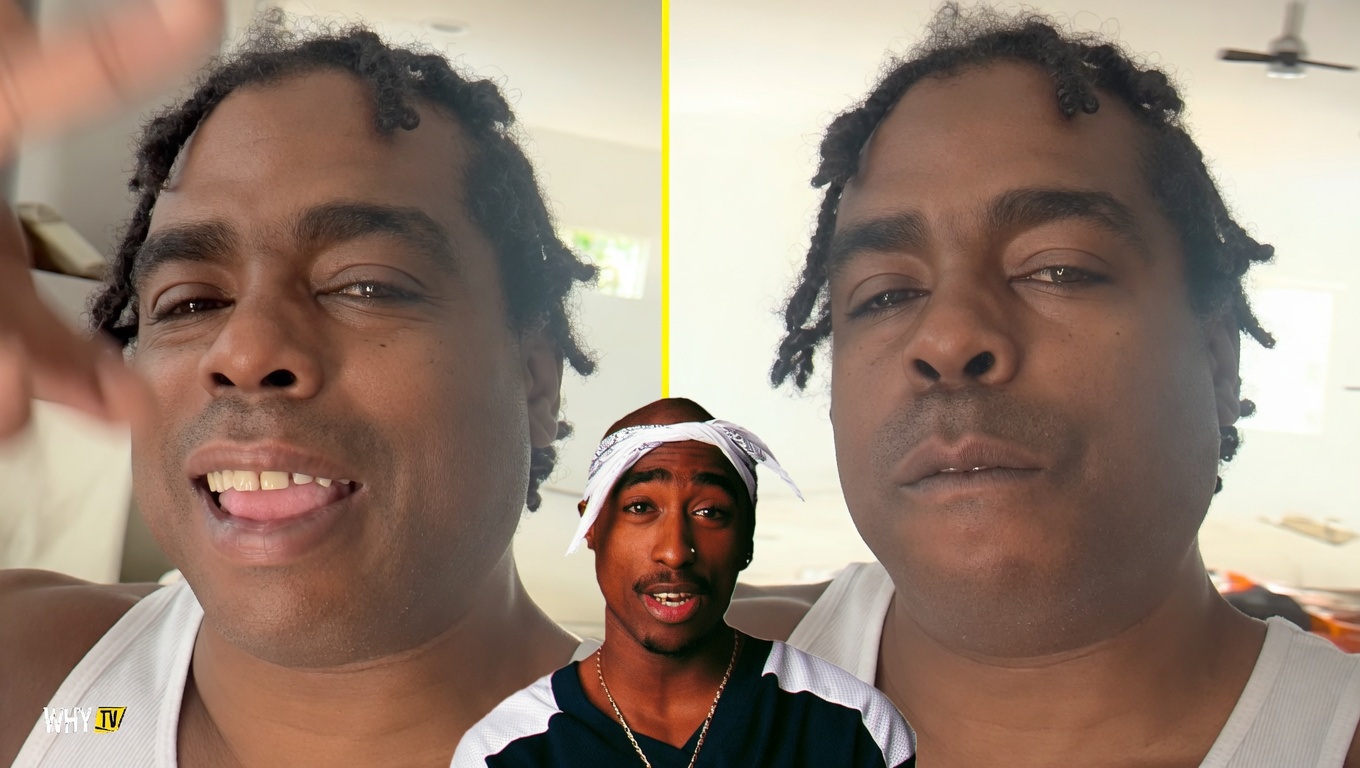
Daz Dillinger, whose real name is Delmar Arnaud, rose to prominence in the vibrant Long Beach, California scene during the 1990s. His creative partnership with Tupac Shakur produced some of the most powerful and influential songs that continue to resonate with fans worldwide. Together, they crafted hits that captured raw emotion, street stories, and timeless energy, contributing heavily to landmark albums that elevated West Coast hip-hop to new heights. These collaborations not only showcased Daz’s exceptional production skills but also highlighted his ability to blend seamlessly with one of the most charismatic voices in the industry.
The lawsuit, filed recently, brings attention to what Daz describes as unresolved financial matters tied to those classic recordings. Court documents reveal that after reaching out for royalty payments years ago, he received a single payment of $91,000. While that amount provided some acknowledgment, Daz maintains that it fell short of a full and transparent accounting for his contributions across more than a dozen tracks. His legal team has emphasized the need for complete statements and records to determine the accurate total owed, noting that proper documentation and ongoing payments have not been consistently provided as expected under standard industry practices.
This development shines a light on the complexities of managing estates for legendary artists whose work continues to generate substantial value long after their passing. Tupac Shakur’s estate, known as Amaru Entertainment, has been overseen by experienced music executive Tom Whalley since 2016. Whalley, who previously served as chairman and CEO of Warner Bros. Records, stepped into the role following the passing of Tupac’s mother, Afeni Shakur. Under his leadership, the estate has navigated various legal and business challenges while working to preserve and promote Tupac’s incredible catalog for new generations of listeners.
Fans and industry observers have followed the story with keen interest, recognizing how such matters often reflect broader issues within the music business. Daz’s involvement adds another layer to the narrative surrounding posthumous earnings and the importance of fair compensation for creators who helped build iconic projects. His attorney has publicly stated that the estate has not delivered the necessary financial transparency or timely payments within the required time frames, leaving the exact amount in question to be clarified through further discovery and accounting processes.
Looking back at the fruitful collaboration between Daz Dillinger and Tupac, it is easy to see why these songs hold such enduring appeal. Tracks from albums like “All Eyez on Me” showcased a dynamic creative synergy that blended hard-hitting beats with compelling lyrics, creating anthems that spoke to millions. Daz brought a distinctive West Coast flavor to the studio sessions, infusing energy and authenticity that complemented Tupac’s passionate delivery. Their joint efforts resulted in music that not only topped charts but also became cultural touchstones, influencing countless artists who followed in their footsteps.
The current legal proceedings underscore the value placed on intellectual property and creative contributions in hip-hop. For producers like Daz, who poured their talent into building these masterpieces, ensuring proper recognition through royalties represents more than just finances. It honors the hard work and vision that went into every beat and arrangement. Supporters of Daz point out his consistent dedication to the craft over the decades, from early breakthroughs to ongoing projects that keep his name relevant in today’s music landscape.
As the case moves forward, many in the entertainment community are watching closely to see how it resolves. Legal disputes involving estates often highlight the need for clear agreements and open communication, especially when dealing with timeless catalogs that continue to earn through streaming, sales, and licensing. Daz’s situation serves as a reminder of the importance of maintaining strong business relationships even years after the initial creative partnerships.
Hip-hop enthusiasts have expressed a range of thoughts on the matter, with some calling for swift and fair resolution to allow everyone involved to focus on celebrating the music rather than lingering disagreements. Others appreciate Daz for standing up for what he believes is rightfully his, viewing it as part of a larger conversation about artist rights and legacy preservation. The story has sparked renewed appreciation for the golden era of West Coast rap and the talented individuals who made it shine.
Beyond the legal details, this news brings renewed focus to Daz Dillinger’s impressive body of work. His production credits extend far beyond the Tupac collaborations, encompassing hits for various artists and solo endeavors that demonstrate his versatility and staying power. Fans often revisit those classic records, marveling at how the beats still feel fresh and impactful today. The lawsuit, while serious, also reignites interest in exploring the full scope of his contributions to the genre.
Tupac’s estate has a long history of managing complex rights and financial matters, a common reality for estates of groundbreaking artists whose influence spans generations. Efforts to protect and expand the catalog have included re-releases, documentaries, and various initiatives aimed at keeping the legacy alive and thriving. Balancing these responsibilities with the expectations of collaborators requires careful attention to detail and a commitment to fairness.
As developments continue, the hip-hop world remains hopeful that the situation leads to a positive outcome for all parties. Daz Dillinger’s pursuit of clarity reflects a professional approach rooted in respect for the creative process and the value of each contribution. His story adds depth to the ongoing dialogue about how the industry supports those who helped shape its most memorable moments.
The broader impact of such cases often extends to inspiring younger creators to prioritize clear contracts and open communication from the start of their careers. In an era where music reaches global audiences faster than ever, ensuring proper credit and compensation becomes increasingly important for sustaining artistic communities.
Music lovers everywhere continue to draw inspiration from the powerful catalog that Daz helped build alongside Tupac. Those tracks remain staples in playlists, radio rotations, and live performances, proving their timeless quality. The current spotlight on royalties serves as a testament to the lasting economic and cultural value of that work.
Industry insiders note that situations like this one often prompt constructive conversations about best practices for estate management and artist agreements. By addressing these matters thoughtfully, the focus can return to what truly matters: the music and the positive influence it has on fans around the world.
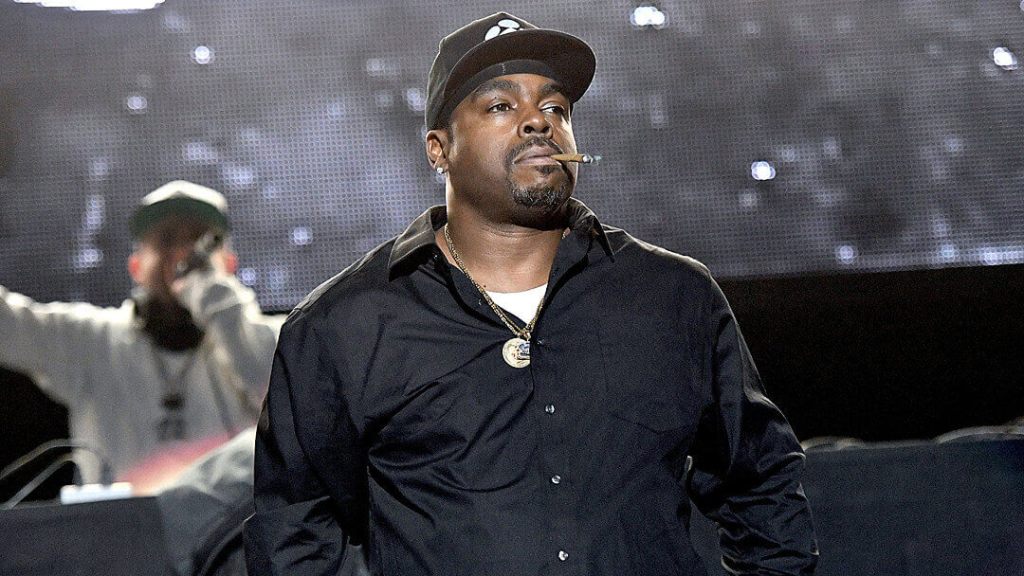
Daz Dillinger’s decision to seek resolution through legal channels demonstrates his commitment to protecting his artistic legacy. It also highlights the respect he holds for the collaborative spirit that defined his work with Tupac. As the process unfolds, supporters from all corners of the entertainment scene are sending well-wishes for a fair and amicable conclusion.
This latest development in hip-hop history reminds everyone of the human elements behind the legendary names and timeless hits. It encourages appreciation for the producers, writers, and artists who pour their hearts into creating music that stands the test of time. Fans eagerly await updates while continuing to enjoy the incredible sounds that first brought these talents together.
In the vibrant tapestry of hip-hop culture, stories like this one add richness and context to the journeys of those who built it from the ground up. Daz Dillinger’s pursuit of fairness shines as an example of professionalism and dedication, keeping the conversation centered on creativity, respect, and the enduring power of great music.
As the lawsuit progresses, the entertainment community stays engaged, recognizing the importance of honoring every contribution that helped shape iconic moments. The case brings renewed energy to discussions about legacy, collaboration, and the bright future ahead for artists who continue to innovate while respecting the foundations laid before them.
Ultimately, this chapter celebrates the passion and talent that define hip-hop while emphasizing the value of clear and equitable business practices. Daz Dillinger’s story serves as an inspiring reminder that even in the face of challenges, the focus remains on preserving and uplifting the art form that continues to captivate audiences everywhere.