Young Buck has shockingly revealed the explosive truth behind his fractured relationship with hip hop legend Juvenile, exposing a dramatic fallout involving a failed Death Row Records deal orchestrated by Suge Knight. The fallout left Young Buck and others abandoned and stranded in Los Angeles, igniting a bitter feud fueled by betrayal and financial chaos.
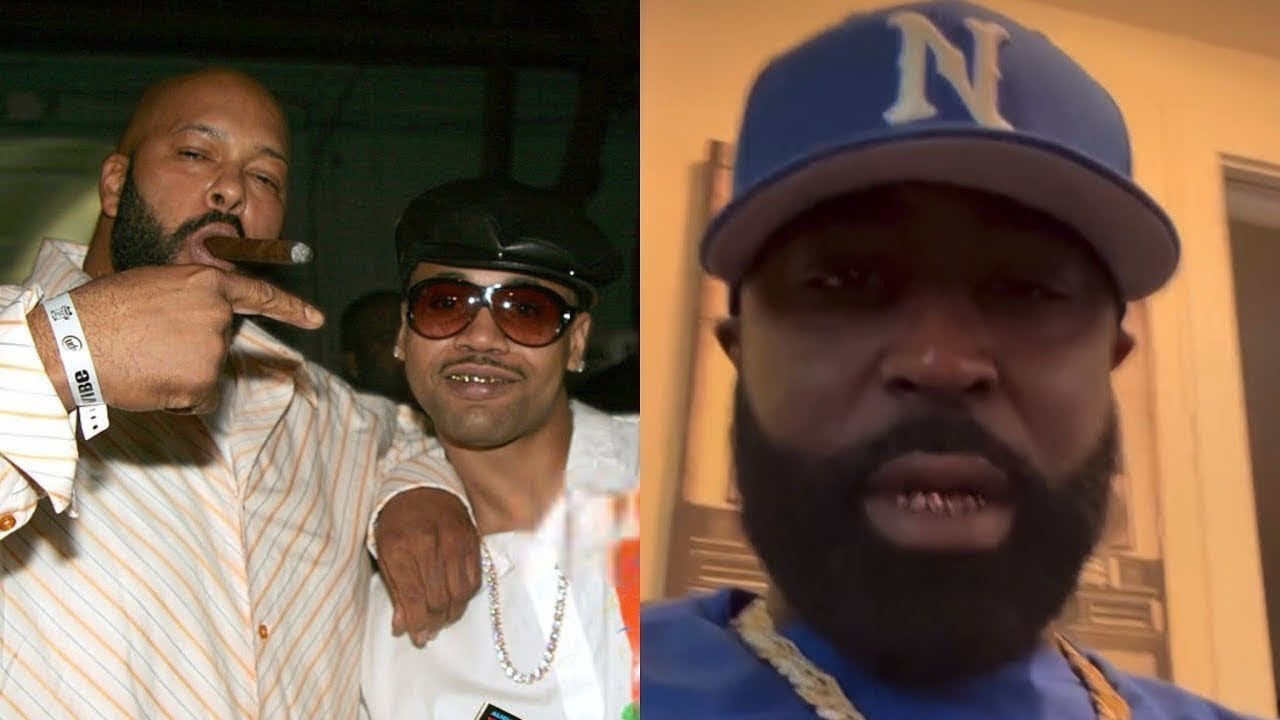 In a recent resurfaced interview on the Daily Podcast, Young Buck detailed the unraveling of what could have been a monumental partnership between Juvenile and Suge Knight’s resurging Death Row Records. Once collaborators, the duo’s relationship soured dramatically during a high-stakes trip to Los Angeles intended to secure Juvenile’s new deal.
Young Buck recounted how Juvenile not only left him and the crew stranded but also single-handedly caused the collapse of the entire opportunity by bailing out without warning. The rapper explained that Juvenile was considered “the money horse,” funding the hotel rooms and transportation, making his sudden disappearance a catastrophic blow.
This startling revelation paints a vivid picture of chaos: stranded artists in sweltering heat, a bus running out of gas, and no funds to keep the operation afloat. Fans hear the raw desperation as Young Buck narrates the frantic scramble to survive after Suge Knight cancelled all accommodations upon learning Juvenile had vanished.
The complex dynamics of the music industry backdrop this fallout. Suge Knight’s attempt to resurrect Death Row with new talent like Petey Pablo and Crooked I accompanied by industry heavyweights like Kurupt and Crooked I promised a major revival. Juvenile’s potential signing was pivotal to this strategy.
Young Buck’s firsthand account exposes the fragility of these artist-label relationships, revealing that Juvenile’s departure not only shattered the deal but left multiple artists financially and logistically stranded. The depth of betrayal is underscored by Young Buck’s vow to end his involvement with UTP, reflecting lasting wounds from this collapse.
The incident also highlights the perils of relying on a single individual for critical funding and leadership, with no contingency plans in place. The razored-edge of business in hip hop meant that Juvenile’s sudden disappearance triggered a domino effect that brought their ambitious plans crashing down.
While Young Buck expresses respect for Suge Knight as a “real dude,” the absence of Juvenile during these tense moments sowed seeds of permanent discord. Suge’s frustration was palpable as he frantically tried to locate Juvenile, underscoring how crucial Juvenile’s presence and participation were for the deal’s success.
This episode sheds light on another critical industry lesson communicated by the podcast host: established artists must maintain financial independence to avoid vulnerability in unpredictable situations. Juvenile’s failure to have personal funds as backup is criticized as a fundamental misstep contributing to the fallout.
Furthermore, Young Buck’s narrative hints at deeper reasons for Juvenile’s retreat—concerns over exploitative contract terms reminiscent of previous experiences with Birdman and Cash Money Records may have driven Juvenile away from what seemed like another precarious deal.
Juvenile’s legacy as a cornerstone of Cash Money Records, credited with taking the label to monumental heights with landmark albums like 400° and Soldier of Rags, is undiminished even amidst this controversy. His desire for fair treatment contrasts sharply with the chaos unveiled by Young Buck.

The 𝒹𝓇𝒶𝓂𝒶 not only reveals fractured friendships and business failures but exposes the harsh reality of the music industry’s sometimes cutthroat environment. High-profile deals can collapse instantly, leaving careers and reputations hanging in the balance amid personal betrayals.
Young Buck’s candid recount also revisits a pivotal era, evoking images of Death Row’s glory days when legends like Dr. Dre, Snoop Dogg, and Tupac ruled the charts. He contrasts that golden era with the tenuous efforts to replicate that success under vastly changed circumstances.
The failed Death Row deal presents a case study of how even iconic names struggle with trust and loyalty amidst evolving business landscapes. It reveals that past successes cannot be easily replicated without the original magic and that new collaborations demand unwavering commitment.
As the story circulates, fans and insiders are left to dissect the motivations behind Juvenile’s flight and Young Buck’s palpable sense of abandonment. The unresolved tension adds fuel to ongoing hip hop discourse surrounding loyalty, business ethics, and the challenges artists face behind the scenes.
Juvenile’s attempt to forge a new path independently after rejecting the Death Row offer illustrates his determination to control his career despite setbacks. His subsequent return to Cash Money Records reaffirms his place within a system that, for all its flaws, remains central to his success.
Young Buck’s explosive revelations prompt urgent questions about artist solidarity and the responsibilities entailed in collective ventures. The emotional and financial fallout from this debacle underscores the risks when trust is broken in high-stakes industry dealings.
The vulnerable position of supporting artists and crew members scattered without resources further amplifies the human cost of business failures. Young Buck’s efforts to aid stranded colleagues emphasize the communal toll such betrayals exact beyond just headline-making stars.
Looking forward, this episode sets a stark warning for artists navigating complex label negotiations: safeguarding financial autonomy and clear communication are paramount to avoid devastating missteps and fractured partnerships.
Fans and industry observers alike await Juvenile’s side of the story as the controversy unfolds, eager to understand his perspective on the 𝒶𝓁𝓁𝑒𝑔𝒶𝓉𝒾𝓸𝓃𝓈 of desertion and the true reasons behind ending ties so abruptly in Los Angeles.

The implications of Young Buck’s statements ripple through hip hop’s tight-knit community, highlighting how unresolved tensions from past alliances continually affect present relationships and industry dynamics.
This story resonates deeply as a cautionary tale about ambition, loyalty, and survival in an unforgiving music business environment where one wrong move can leave artists abandoned and dreams shattered.
As the dust settles on this explosive revelation, Young Buck’s narrative stands as a sobering reminder that behind the glamour of fame lies a world fraught with uncertainty, fragile alliances, and the constant battle for respect and survival.
The haunting image of artists stranded on a bus under a punishing LA sun, cut off from vital resources due to one man’s sudden departure, encapsulates the raw and unvarnished reality often masked by hip hop’s flashy exterior.
Young Buck’s story offers a rare glimpse into the backstage turmoil that can derail promising careers and labels alike, underscoring the critical need for trust, preparation, and contingency in the volatile music industry.
This breakdown not only strains previously stable relationships but questions the feasibility of resurrecting legendary labels without the foundational elements that made them successful, raising doubts about future attempts to revive Death Row Records.
As attention sharpens on this developing saga, it serves as a call to action for artists, managers, and labels to foster transparent and reliable partnerships to safeguard creative and business ventures from similar collapses.
The fallout between Young Buck and Juvenile remains a potent example of how personal decisions reverberate across entire communities, turning potential triumphs into cautionary tales of betrayal and abandonment.
Ultimately, this expose uncovers that respect in the hip hop world is hard-earned— and easily lost when trust is broken, leaving lifelong impacts on reputations and careers in a highly competitive industry.

Young Buck’s emotional recount stands as both a confession and an indictment, unraveling years of complex relationships and illuminating the high costs behind celebrity success stories often concealed from the public eye.
With fans debating and discussions intensifying, this explosive chapter redefines the narrative around two rap heavyweights and the business challenges that continue to shape their legacies and mutual respect.
The story thrusts into the spotlight the critical balance between artistry and business acumen, reminding artists that survival depends as much on strategic decisions as creative talent.
As details continue to emerge, the hip hop community watches keenly, recognizing that this divisive episode might mark a turning point in how artist alliances and label dealings are managed going forward.
Young Buck’s revelations underscore the gritty underbelly of the music industry, where ambition and opportunity collide with human frailties, often leaving destruction in their wake when loyalties falter.
This intense exposé not only challenges Juvenile’s public image but also demands reflection on the structural pressures artists face when navigating label partnerships without sufficient support or safeguards.
Fans must grapple with the reality that major music deals often involve complex personal and financial risks, making these stories essential lessons for anyone aspiring to thrive in the industry.
Young Buck’s courage to expose this chapter invites a broader conversation on accountability, trust, and respect within hip hop’s evolving landscape—an urgent dialogue that cannot be ignored.
As the saga unfolds, the industry’s eyes remain fixed on Juvenile and Young Buck, awaiting further clarifications while digesting one of the most candid and raw insider accounts in recent memory.
This breaking revelation marks a pivotal moment in hip hop history, illustrating how quickly alliances can crumble and how vital transparency and reliability are in preserving artistic legacies and industry stability.
https://www.youtube.com/embed/mNLMEeM1Klo