In a blistering exchange that has ignited social media, rapper T.I. fiercely responded to music executive Ray Daniels, branding him an “Atlanta implant” and demanding he stay out of the city’s music business. The feud escalated after Daniels doubled down on his criticisms of T.I.’s artistic authenticity during a recent interview.
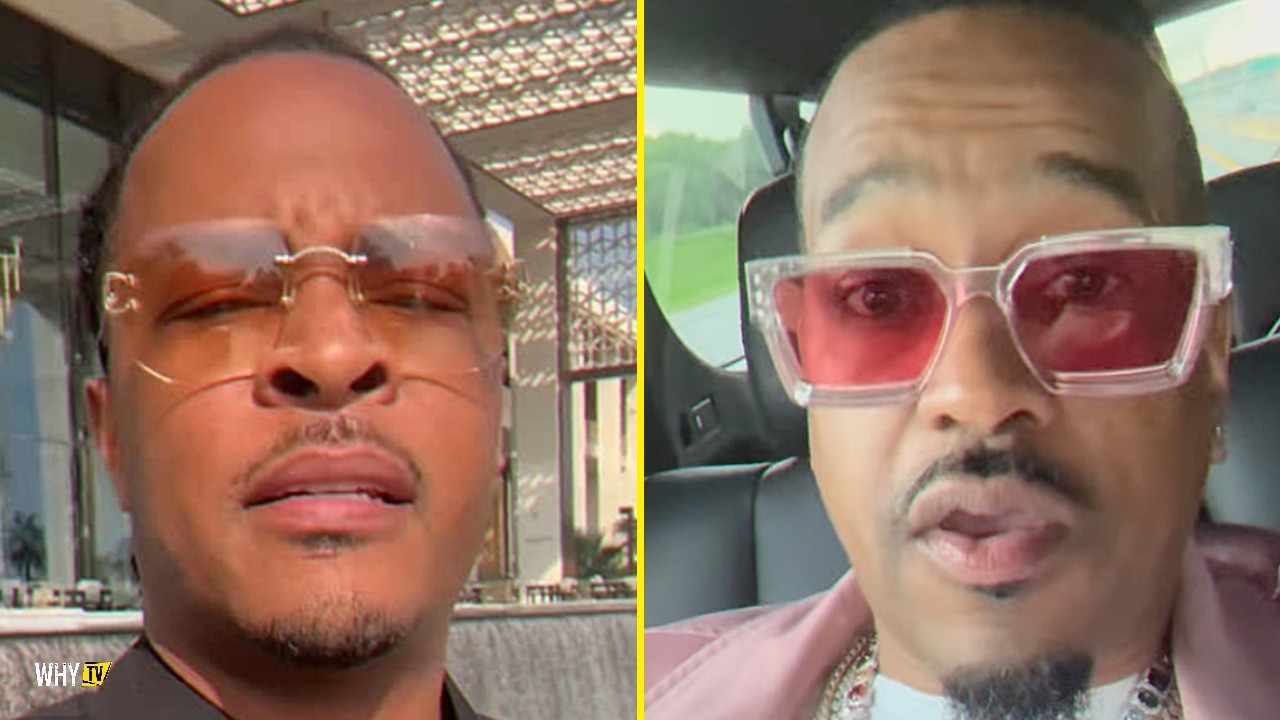 The controversy erupted on The Breakfast Club, where T.I. openly challenged Ray Daniels following Daniels’ earlier remarks on The God’s Show. Daniels had accused T.I. of merely “chasing hits,” questioning the rapper’s commitment to Atlanta’s music scene. T.I. did not hold back, swiftly discrediting Daniels’ status within the Atlanta community.
Calling Daniels an “implant,” T.I. suggested that while Daniels was welcomed in Atlanta, he should not mistake hospitality for belonging. The rapper emphasized that Daniels remains a visitor within the city’s tightly-knit music industry and must respect its homegrown culture. This pointed rebuke has polarized fans and industry insiders alike.
Uncertainty about Daniels’ origins adds another layer of tension. Both T.I. and host Charlamagne Tha God expressed confusion over Daniels’ background, debating whether he is truly from Atlanta or another city. This ambiguity fuels T.I.’s argument that Daniels lacks the roots to criticize Atlanta’s hip-hop legacy properly.
T.I. made it clear that his issue is not with Daniels personally but with what he sees as an outsider’s intrusion. The rapper highlighted that authentic Atlanta artists face unique challenges daily, and commentary from someone perceived as disconnected misses the mark. This stance underlines the cultural pride deeply embedded in Atlanta’s music scene.

The exchange has sparked widespread debate online, with fans split over whether Daniels’ critiques are unwarranted or constructive. Some view Daniels as overstepping boundaries, while others argue he is voicing valid concerns as an external observer. The fiery back-and-forth shines a spotlight on Atlanta’s fiercely protective music community.
Social media platforms have become battlegrounds for supporters of both sides. Hashtags related to the feud have trended as followers analyze each statement and implication. The dispute underscores the sensitive nature of regional identity within hip-hop and the power dynamics between artists and executives.
This public confrontation highlights the evolving tensions in Atlanta’s music industry, where legacy, authenticity, and the influence of outsiders continue to collide. T.I., a longtime figure in the scene, asserts a guardianship role, defending the city’s cultural heritage against perceived encroachments from figures like Daniels.

As this story unfolds, the underlying issues of territoriality and artistic credibility remain at the forefront. T.I.’s response to Daniels is not just about personal insults but about preserving the integrity of Atlanta’s music ecosystem. The city continues to assert its dominance, reaffirming that only genuine insiders dictate its narrative.
Observers await potential responses from Daniels, who has stood by his earlier comments. Whether this feud will escalate further or lead to a mediated conversation remains uncertain. The stakes are high as Atlanta’s music community watches how this clash between two influential voices will shape its future discourse.
This intense verbal showdown serves as a stark reminder of how fiercely artists protect their creative domains. T.I.’s swift and sharp counterattack emphasizes Atlanta’s prominent status in hip-hop and its resistance to outside criticism. The battle lines are clearly drawn in this unfolding controversy.

In the coming days, attention will focus on how this exchange influences both artists’ reputations and their relationships within the industry. Atlanta’s community pressure cooker shows no signs of cooling as the debate over authenticity and belonging reverberates far beyond the city’s borders.
The feud between T.I. and Ray Daniels epitomizes the volatile intersection of music, identity, and power. Fans and insiders alike are watching closely as the 𝒹𝓇𝒶𝓂𝒶 unfolds, underscoring how passionately Atlanta guards its cultural capital while navigating challenges from within and without.
T.I.’s message is unequivocal: respect Atlanta’s music scene or face dismissal as an outsider. This moment crystallizes longstanding tensions in hip-hop regarding who gets to define regional sounds and legacies. The outcome of this clash will undoubtedly echo through the industry’s corridors for months to come.
As the story develops, further statements from both parties and reactions from Atlanta’s broader music community are anticipated. This fuel-filled conflict is a pivotal moment revealing much about loyalty, territory, and authenticity in one of hip-hop’s most influential cities. The world watches as Atlanta stands its ground.