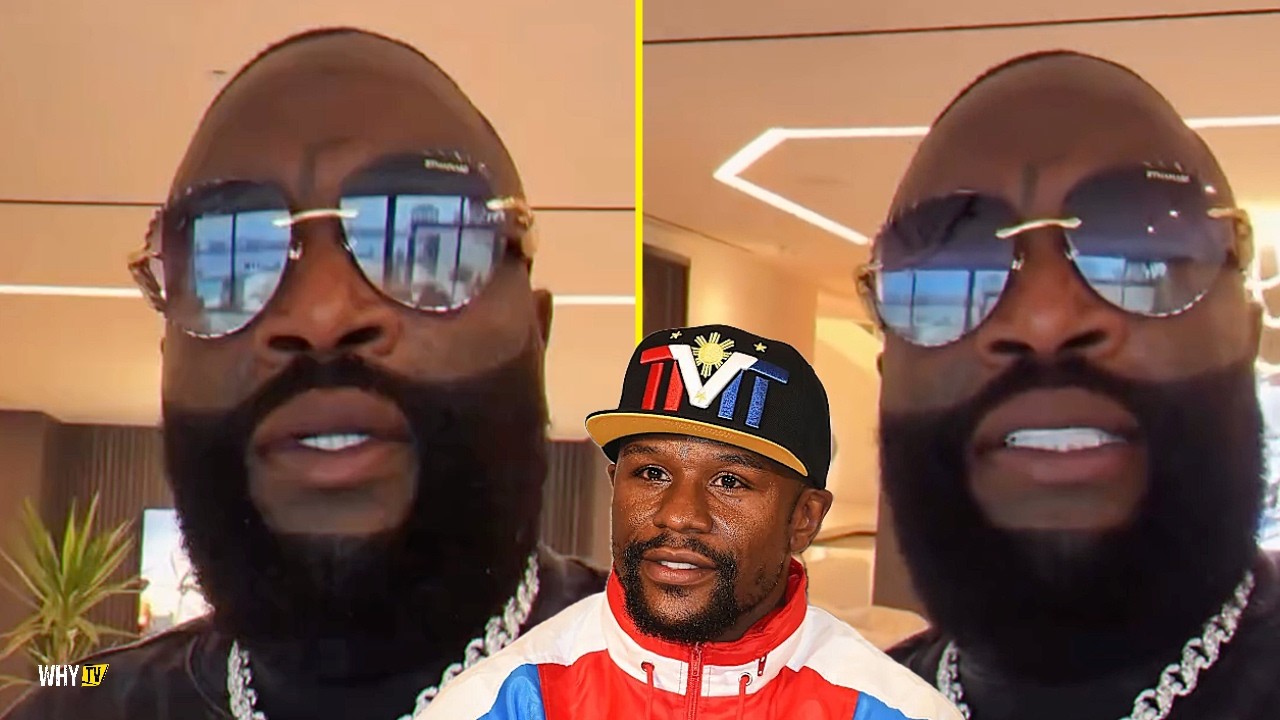
Hip-hop has been rocked by a seismic shift in its hierarchy, and the man who once defined the genre’s edge now stands at the center of a brutal truth. Fifty Cent, the legendary mogul and former rival of Ja Rule and many others, has unleashed a startling revelation that explains why Drake has soared past Lil Wayne to claim the throne of modern hip-hop. The music industry is buzzing, and fans are divided as the iconic rapper, actor, and producer delivers a hard-hitting analysis that cuts deep into the evolution of the culture.
For years, Lil Wayne was the undisputed king, the artist whose every verse was a must-hear event, whose mixtapes reshaped the game from 2007 onward. But today, the landscape has shifted, and Fifty Cent is not holding back on the real reason behind this change.
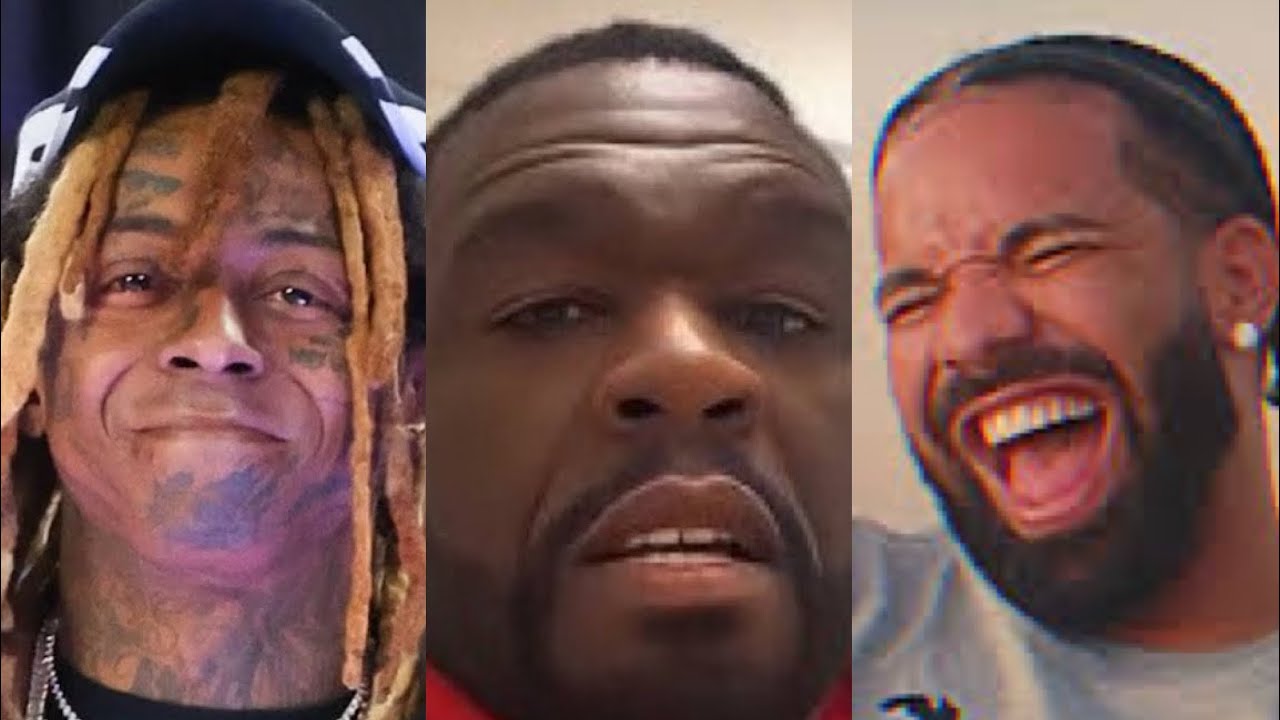 In a candid moment captured on a popular daily podcast, Fifty Cent laid out his reasoning with surgical precision. He pointed to a fundamental shift in artistry that has allowed Drake to not just survive but thrive in an era where rappers typically fade. “Remember all you needed was a Wayne verse?”
Fifty Cent asked, referencing a time when a single feature from Lil Wayne could elevate any track to instant classic status. “You don’t hear the Wayne verse so much.” This blunt observation sets the stage for a deeper explanation: Drake has mastered a hybrid style that blends rap and R&B in a way that extends his commercial and cultural longevity.
Fifty Cent described Drake as a “hybrid,” a rapper and singer simultaneously, which makes it “easier to stay longer being more R&B song singer than rapper.” He noted that many modern artists use auto-tune to blur the lines between singing and rapping, creating a more accessible and enduring sound.
The contrast between Lil Wayne’s era and Drake’s current dominance could not be starker. Lil Wayne, born in 1982, is approaching 44 years old, and Fifty Cent suggested that aging naturally impacts an artist’s relevance and output. “Our whole culture is broken,” Fifty Cent declared, pointing to how the music industry now operates with a new playbook.
Artists who rely solely on rap often see their peak years shrink, while those who incorporate melodic, R&B elements can remain radio staples for decades. Drake’s run, according to Fifty Cent, is “unprecedented,” a longevity that has never happened before in hip-hop history. The evidence is everywhere: every feature Drake graces, every album he releases, goes platinum and dominates airwaves.
His music appeals to both men and women, blending the aggression of rap with the emotional resonance of R&B.
 Fifty Cent’s comments have ignited a fierce debate among hip-hop heads, who are now questioning where Lil Wayne stands in the all-time rankings. The podcast host, who identifies as a longtime Lil Wayne fan, admitted that while Wayne’s lyrics remain sharp, his beat selection has faltered. “I just think he needs Cash Money back to help him pick out his beat selection, because that’s what a lot of people have problems with on the Carter 6,” the host said, echoing a common critique of Wayne’s recent work.
The host also pointed out a troubling trend in the industry: as artists age, disrespect often follows. “When our artists get older, the disrespect goes up,” he lamented. No artist, regardless of genre, maintains the same quality of hits in their later years as during their prime—whether in jazz, rock, or R&B.
This reality is not unique to Lil Wayne, but it stings especially hard for a generation that grew up with him as the benchmark of lyrical prowess and mixtape culture. The host recalled his own youth, listening to Lil Wayne during the era of white tees, Jaboo jeans, and Reebok Classics, placing Wayne alongside Tupac Shakur on his personal list of all-time greats. Yet, he conceded that Drake’s hybrid approach has made his music timeless, while Wayne’s pure rap style may have a more limited shelf life.
The debate now centers on whether longevity or peak dominance matters more. Fans are split: some argue that Wayne’s influence from 2007 to 2013 was unmatched, while others insist that Drake’s sustained success over more than a decade is the true measure of greatness.
The implications of Fifty Cent’s revelation extend beyond just two artists. It forces a reckoning with how the hip-hop industry evaluates success and legacy. Fifty Cent, who has himself navigated multiple identities as a rapper, actor, producer, and philanthropist, understands the necessity of adaptation.
 His observation that Drake is “finding a new way to do things” highlights a broader shift: the genre is no longer defined by pure rap skills alone. Auto-tune, melodic hooks, and crossover appeal have become the new currency. This is not a judgment on Lil Wayne’s talent—he remains a living legend with a catalog that defined an era—but a reflection of changing consumer tastes and industry mechanics.
As the podcast host concluded, he urged viewers to weigh in: “Who do you got higher all time, Drake or Lil Wayne?” The question now reverberates through social media, radio stations, and street corners. Fifty Cent’s words carry weight because he has been in the trenches, has witnessed the rise and fall of countless artists, and has never shied away from speaking the truth.
His analysis is not about disrespecting Lil Wayne but about explaining the cold hard facts of the music business. The baton has been passed, and Drake is now the face of hip-hop—a hybrid force that combines the best of rap and R&B, ensuring his relevance for years to come. Meanwhile, Lil Wayne’s legacy remains intact, but his era of dominance has quietly receded.
For fans who have followed hip-hop from the golden age to the streaming era, this moment is a reminder that change is constant. The same way that Jay-Z and Nas had to make way for new voices, Lil Wayne now watches as Drake takes the torch further. Fifty Cent’s revelation is not just a comment on two artists; it is a mirror held up to an entire culture that is always searching for the next big thing.
The numbers do not lie: Drake’s streaming numbers, album sales, and cultural impact are astronomical. Lil Wayne’s influence is indelible, but his current position in the rankings has slipped.
 The podcast host, despite his personal loyalty to Wayne, acknowledged the reality. “Drake is the guy in hip-hop right now,” he said, echoing Fifty Cent’s sentiment. “There is no denying it.”
The combination of R&B melodies with rap verses has created a sugar symphony that the masses crave, and Drake has mastered it. Fifty Cent’s explanation is both simple and profound: the industry has changed, and the artists who evolve with it survive. Lil Wayne, for all his genius, remains a rapper’s rapper, while Drake has become a global pop phenomenon.
As the conversation continues, one thing is clear: Fifty Cent has sparked a necessary dialogue about hip-hop’s evolving identity. His words are a call for fans to look beyond nostalgia and see the mechanics of success in a digital age. The cultural landscape is broken, as he said, but it has also given birth to new opportunities.
Lil Wayne’s lyrical ability is still there, but the environment has shifted. The question now is whether he can adapt, or whether his legacy will be preserved in amber while Drake continues to rewrite the record books.
This breaking news story is not just about two rappers—it is about the soul of hip-hop and its relentless march forward. Fifty Cent, ever the provocateur, has 𝓮𝔁𝓹𝓸𝓼𝓮𝓭 a truth that many have felt but few dared to articulate. The debate will rage on, but the evidence is mounting.
Drake has outperformed Lil Wayne not because he is a better rapper, but because he is a more versatile artist. And in the modern music industry, that versatility is the ultimate advantage. The nation is watching, listening, and weighing in.
What side are you on?