The long-simmering feud between rap superstars Game and 50 Cent has ignited once again, with the West Coast lyricist leveling explosive new accusations that the G-Unit leader systematically shortchanged his own artists, skimming millions in tour revenue while his crew received what Game now characterizes as little more than financial scraps. In a candid and wide-ranging interview, Game has publicly alleged that 50 Cent was robbing G-Unit of tour money, a charge that threatens to reopen one of the most volatile feuds in hip-hop history and expose the financial underbelly of one of the genre’s most iconic supergroups.
The revelation emerged during a sit-down conversation in which Game pulled back the curtain on the business dealings that defined the G-Unit dynasty, painting a picture of stark financial inequality that existed behind the scenes while the group was at the pinnacle of mainstream success. The rapper described a system in which 50 Cent claimed the overwhelming majority of the proceeds from lucrative tour performances, leaving his high-profile artists, including Lloyd Banks, Young Buck, and Tony Yayo, to divide a fraction of the earnings. The accusations strike at the very heart of loyalty in hip-hop, a culture where brotherhood and shared success are often touted as foundational principles, and they come from a figure who was once considered a key member of that inner circle.
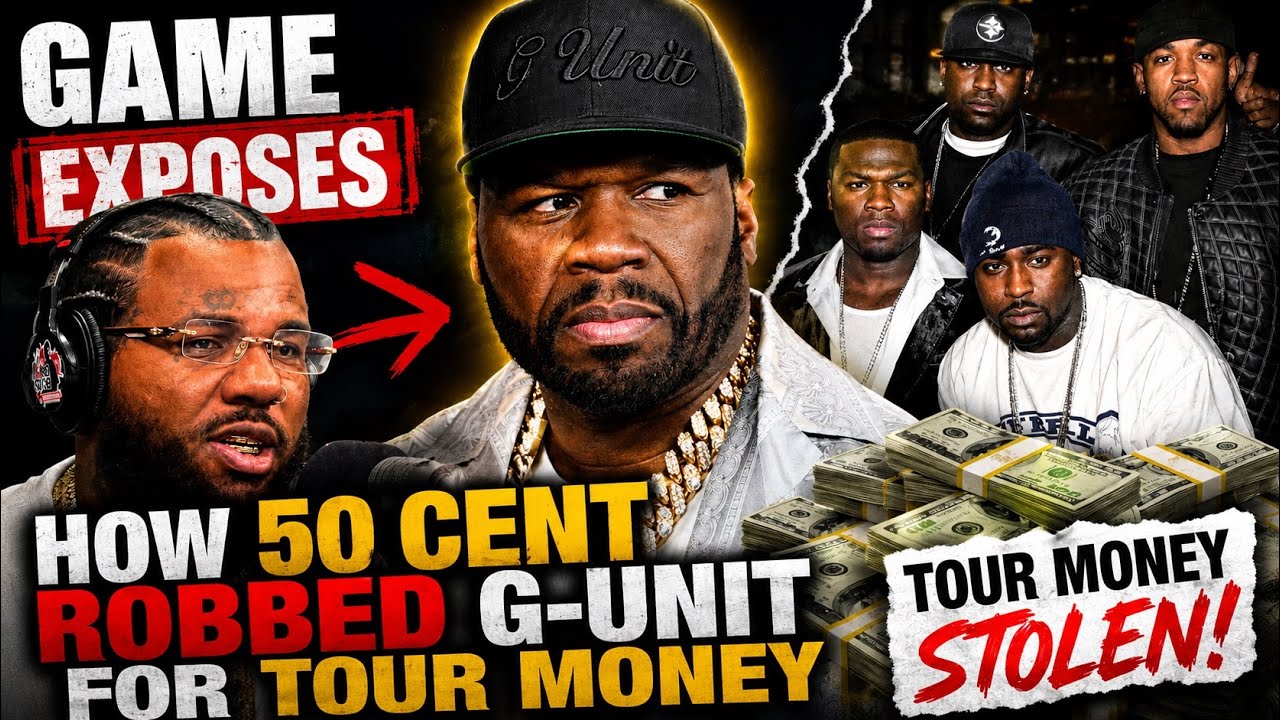 According to the interview, the financial structure of G-Unit tours was heavily skewed in favor of the group’s leader, with Game stating that even as the collective commanded massive paydays per show, the distribution of those funds was anything but equitable. The rapper detailed a scenario where a million-dollar payday would see 50 Cent take the lion’s share, leaving the remaining artists to split what was left, a figure that was significantly lower than what the public might have assumed given the group’s massive popularity. This disclosure suggests a business model that prioritized the brand and its chief architect over the individual artists who contributed to the group’s formidable reputation and commercial draw.
Adding a layer of raw emotion to the financial disputes, Game did not hold back in his assessment of his time within the collective, expressing a simmering resentment that has clearly lingered for years. He acknowledged the platform that G-Unit and its association with Dr. Dre’s Aftermath label provided, but he was emphatic in his belief that he never truly needed that affiliation to achieve his own success.
 This assertion frames the financial complaints within a larger narrative of personal agency and artistic independence, as Game positioned himself not as a soldier in a larger army, but as a solo artist and a king in his own right who was merely biding his time before asserting his dominance.
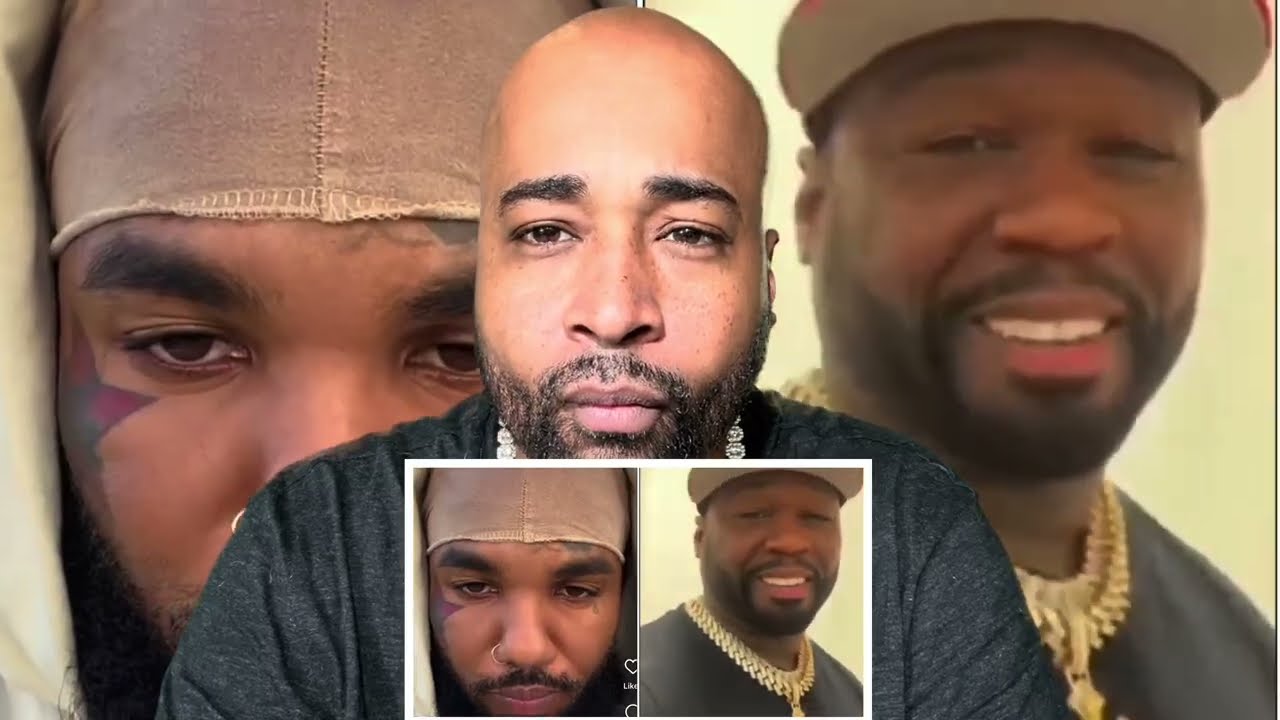 The interview serves as a stark reminder of the financial inequalities that can define even the most successful music collectives, where the headlining act often reaps the majority of the financial rewards while supporting acts gamble on exposure and future opportunities. Game’s specific breakdown of the tour economics suggests that while the group was bringing in millions, the distribution model was designed to build 50 Cent’s personal empire rather than enrich the entire crew. By contrasting 50 Cent’s significant earnings with the relatively modest payments received by other members, Game has laid out a clear argument for the term “robbing” that he used, implying a deliberate exploitation of the group’s collective power for individual gain.
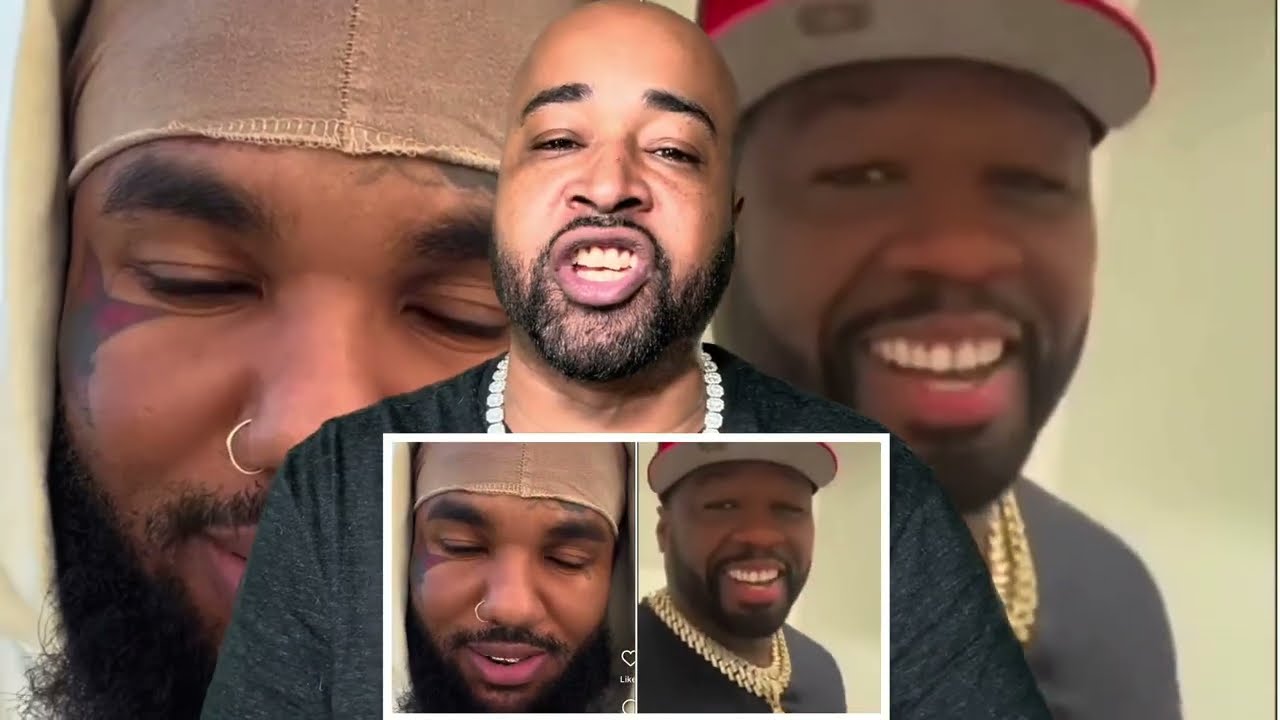 This latest salvo is only the most recent chapter in a relationship that has careened wildly between friendship, bitter rivalry, and grudging respect over the past two decades. The history between Game and 50 Cent is one of the most documented and chaotic in rap, beginning with Game’s meteoric rise as a G-Unit signee and his debut album that catapulted him to stardom under 50 Cent’s tutelage. That initial success was quickly marred by allegations of disloyalty, leading to a spectacular falling out that saw Game removed from the group and the two engaged in a relentless war of words that permeated mixtapes, interviews, and the general hip-hop press.
The enmity between the two was never merely a war of words, as the feud threatened to escalate into real-world violence on multiple occasions. The most infamous incident occurred at a New York radio station, when Game and his affiliated Bloods members confronted 50 Cent and his entourage in what was widely reported as a highly volatile and chaotic situation. That confrontation, referred to in the podcast transcript, became a defining moment of their rivalry, cementing the danger of their animosity and keeping the streets on edge for years.
Even after that near-catastrophic event, the two figures have occasionally been seen in the same nightclubs, exchanging pleasantries and shaking hands, suggesting a cold peace that has held, despite the underlying tension.


