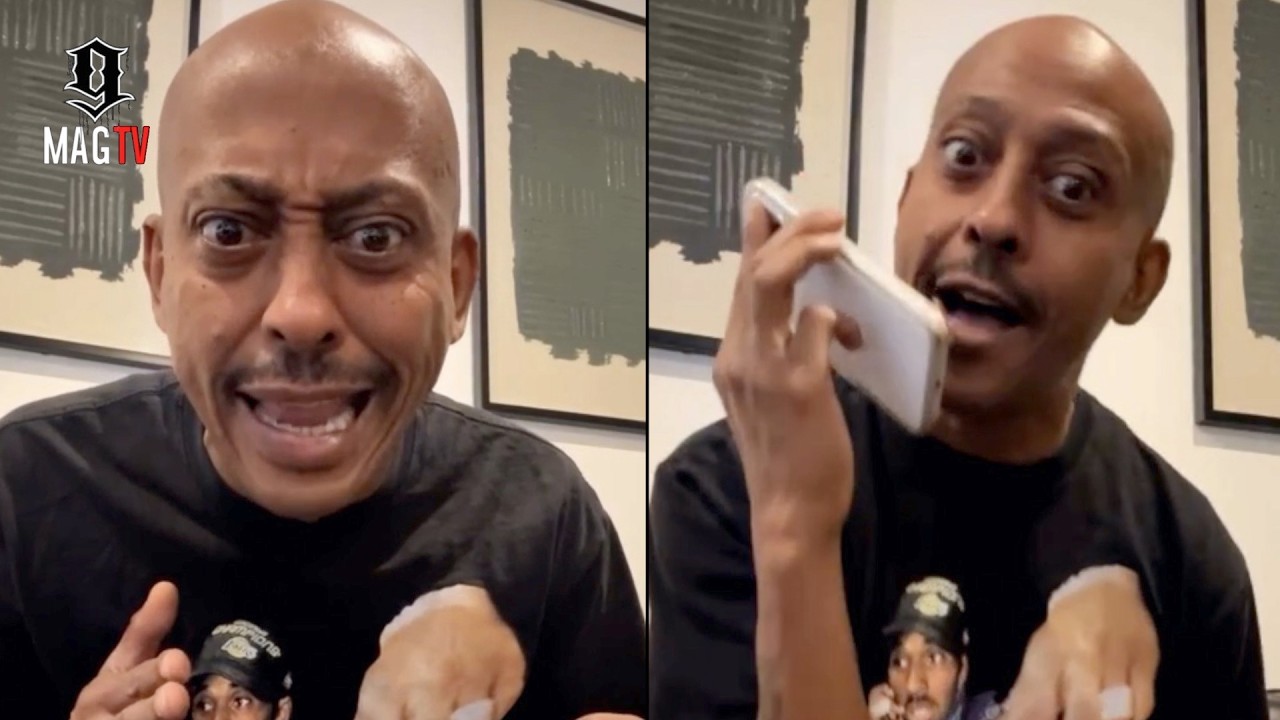
The war of words between Rick Ross and 50 Cent has exploded into open warfare once again, with the MMG mogul delivering a devastating counterattack against his longtime rival following the underwhelming relaunch of G-Unit’s signature sneaker line. Ross, never one to shy away from confrontation, used his platform to dismantle 50 Cent’s credibility, questioning the authenticity of his streaming numbers and mocking the failed attempt to recapture mid-2000s nostalgia.
The latest exchange erupted after 50 Cent continued his years-long campaign of ridiculing Ross over declining album sales. But this time, Ross arrived armed with a razor-sharp rebuttal that cut directly into the heart of 50 Cent’s business empire. In a video that has ignited social media, Ross delivered a series of pointed questions that have left hip-hop fans picking sides in a feud that has now spanned nearly twenty years.
 Ross’s central argument hinges on a deceptively simple question: if an artist genuinely commands hundreds of millions of followers and streams, why can’t they sell merchandise outside of music? He specifically targeted the G-Unit sneaker relaunch, predicting the footwear would end up in bargain retailers like Costco. The comment represents a brutal dismissal of 50 Cent’s attempt to revive a brand that once defined an era in hip-hop fashion.
The “B. M. F.”
rapper expanded his attack by questioning the legitimacy of modern chart performance. He insisted that his own album sales are organic, free of bots, and built upon a genuine fanbase that has remained loyal for two decades. His declaration that “the new flex is no bots” has already begun trending across Twitter and Instagram, resonating with fans who have grown skeptical of inflated streaming figures.
This fresh chapter in hip-hop’s most enduring feud arrives at an awkward moment for 50 Cent. The G-Unit sneaker relaunch was designed as a triumphant return to the footwear game that made the group cultural icons in the early 2000s. Instead, tepid reception and disappointing sales figures have provided Ross with precisely the ammunition he needed to strike back with maximum impact.
Ross even went so far as to praise the Lloyd Banks model of the new sneaker line, a backhanded compliment clearly intended to further aggravate 50 Cent. By singling out a less prominent G-Unit member’s shoe as the standout, Ross subtly undermined 50 Cent’s claim to the brand’s legacy while simultaneously disparaging the overall quality of the entire release.
 The origins of this beef run deep, stretching back to when 50 Cent first began exposing Ross’s past as a corrections officer. Ross had carefully constructed a larger-than-life persona as a former 𝒹𝓇𝓊𝑔 kingpin, and 50 Cent’s release of audio recordings and documentation suggesting his street credibility was fabricated represented one of the most humiliating public revelations in hip-hop history.
Industry observers note that this feud has always transcended music. It revolves around legitimacy, authenticity, and the deliberate construction of hip-hop personas. 50 Cent’s relentless mockery of Ross’s corrections officer background struck at the very core of Ross’s artistic identity, forcing the Miami rapper to wage a two-decade battle to defend his reputation against relentless attacks.
Ross’s latest comments about bots and inflated streaming numbers tap into a broader conversation that has been gaining momentum throughout the music industry. As labels and artists increasingly depend on streaming data to demonstrate commercial viability, questions about the manipulation of those numbers have become impossible to ignore.
The timing of this feud’s resurgence is particularly significant, occurring as both artists navigate their fifties and attempt to maintain relevance in a rapidly changing musical landscape. Their animosity has outlasted countless other hip-hop beefs that burned brighter but faded faster, suggesting something deeper than merely professional rivalry.
 For 50 Cent, the stakes are especially high. His business empire now encompasses television production, film, liquor brands, and numerous other ventures beyond music. The G-Unit sneaker relaunch represents a calculated attempt to monetize nostalgia, but Ross’s mocking suggests that the brand may have permanently lost its cultural currency.
Ross’s assertion that he remains relevant in the current musical landscape while 50 Cent focuses on shoes is a strategically pointed jab. It positions Ross as an artist still actively contributing to the culture, while casting 50 Cent as a figure trapped in his own past, unable to move beyond the glory days of G-Unit’s dominance.
The Costco mention carries particular weight in hip-hop circles. It implies that the G-Unit sneakers are destined for clearance bins and wholesale liquidation, a far cry from the limited-edition drops, exclusive collaborations, and streetwear hype that define successful sneaker culture in the current market.
Social media reaction has divided along expected lines. Longtime 50 Cent supporters point to his extensive business successes and argue that he no longer needs album sales to validate his legacy. Meanwhile, Ross supporters argue that his criticism of inflated numbers has 𝓮𝔁𝓹𝓸𝓼𝓮𝓭 uncomfortable truths about how the modern music industry operates.
 The question of who emerged victorious from this latest exchange depends largely on perspective. Ross delivered what many commentators are describing as a devastating blow with his Costco comment, but 50 Cent has demonstrated time and again his capacity for responding with devastating effectiveness when properly motivated.
What remains certain is that this feud shows absolutely no signs of concluding. Both artists appear to genuinely despise one another, and the animosity seems to energize something fundamental in each of them. For fans, it represents a throwback to a time when hip-hop beefs were dramatic entertainment spectacles rather than brief social media exchanges that fizzle out within days.
The G-Unit sneaker situation remains fluid, with early reports suggesting that while the initial drop generated significant buzz, sustained sales have failed to meet expectations. Industry analysts are watching closely to determine whether this represents a temporary setback or an indication of deeper problems with brand revival in hip-hop.
Ross has promised to continue keeping his music “genuine and pure,” allowing the work to speak for itself rather than relying on manufactured hype. He has framed his approach as playing the long game, a strategy that he claims has allowed him to remain relevant and successful twenty years into his career.
50 Cent, characteristically, has not remained silent. His social media feeds continue to mock Ross at every opportunity, and sources close to the Power executive producer suggest that a major response is already in development. If history is any guide, this exchange is far from finished, and both artists are preparing for the next round of verbal combat.