The six oldest children of the CERS family, now at the center of a child endangering case that has shocked Ohio, were enrolled in online school for the 2020-2021 academic year but never attended a single day of in-person classes, newly obtained records reveal, raising urgent questions about how the state’s homeschooling and online education systems allowed them to slip through the cracks.
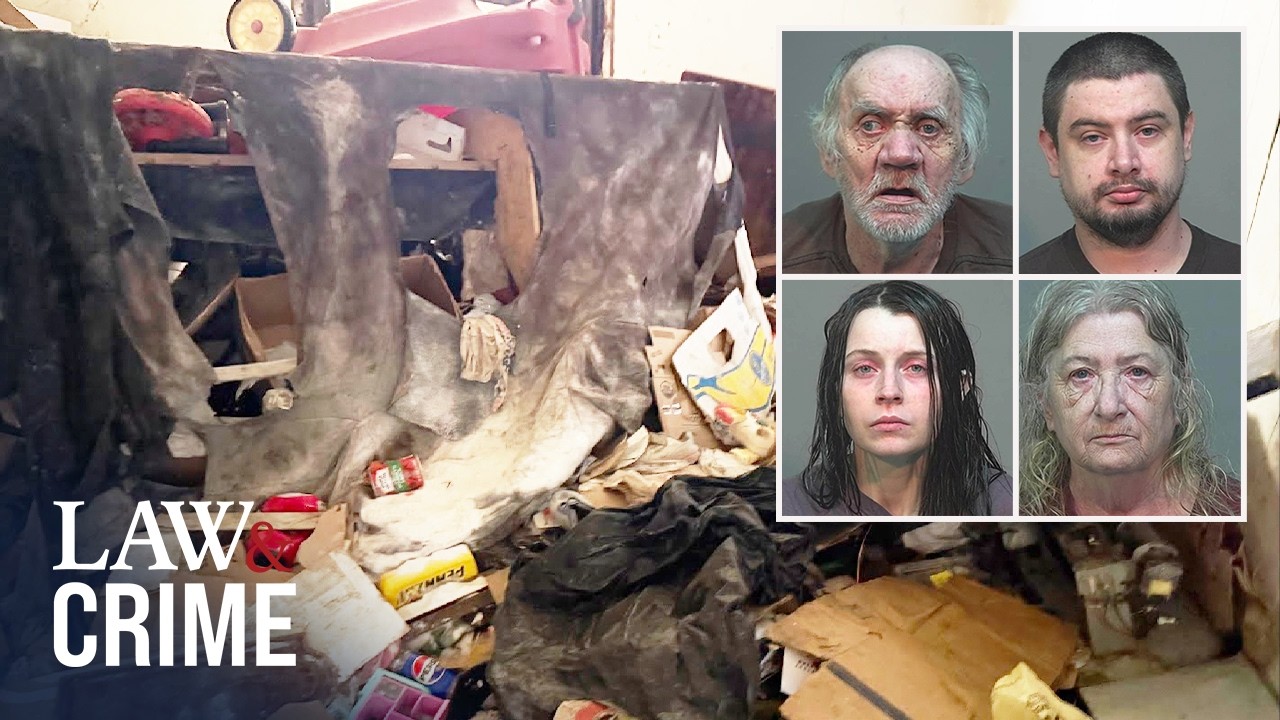
The children, who are now in therapeutic foster care after being removed from a home authorities have described as a “House of Horrors,” were once students at Addaville Elementary School in Gallia County. But the school district filed truancy complaints against parents Gary and Elizabeth Ciders in October 2021, stating that the six oldest children had not attended school at all that year.
 School district records show that a year earlier, in August 2020, Elizabeth Ciders enrolled the children in the district’s Southern Ohio Digital Academy, an online program. However, it remains unclear whether the children actually participated in classes, took tests, or received any grades.
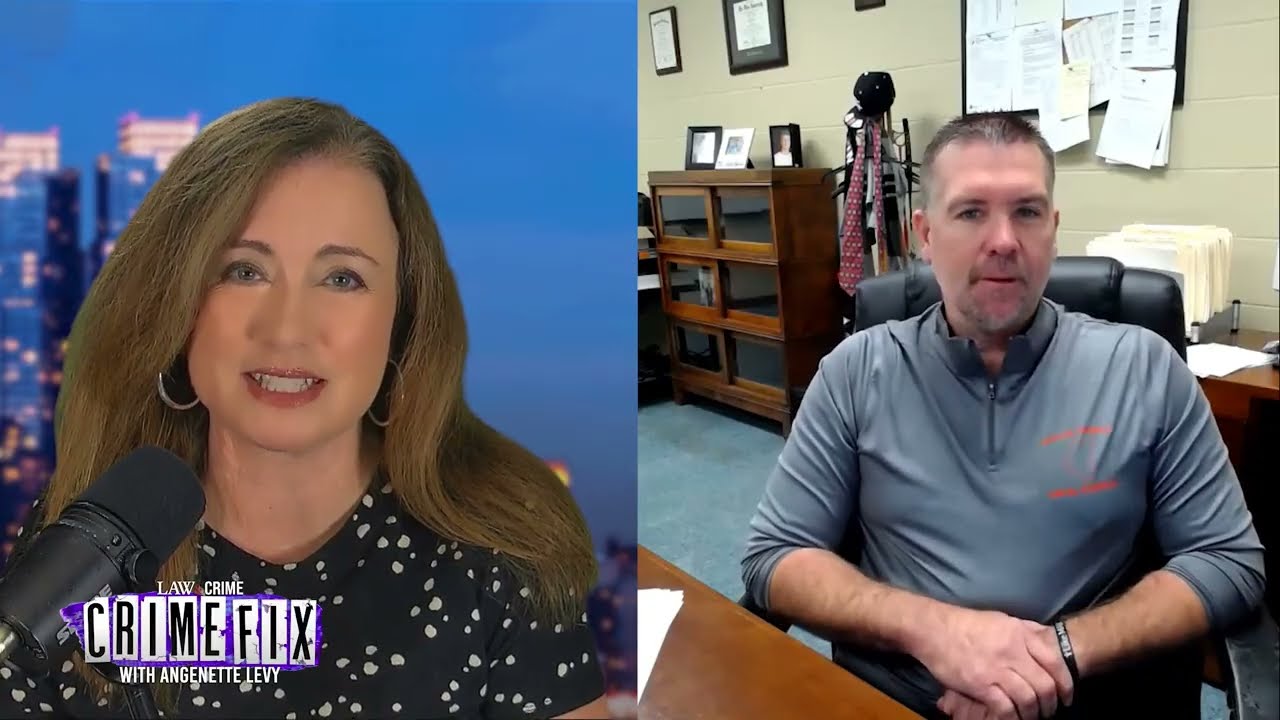
The district has refused to release attendance or performance data for the CERS children, citing privacy laws. But the superintendent of Gallia County Local Schools, Philip Coon, acknowledged that online schooling is no substitute for in-person instruction, especially for vulnerable children.
“Online schooling, I think all educators would say, is not the best way to educate kids,” Coon said in an exclusive interview. “We want our teachers to do the best they can with that format. However, being in person with an educator throughout the day is always the best way to receive instruction.”
The CERS children were living in a house on Honeysuckle Drive in Cheshire, Ohio, during the 2020-2021 school year. A neighbor told investigators that the children rarely left the home, and a woman who worked nearby said the house was so filthy after the family moved out that the owner had to renovate it, finding human and pet feces, urine, and trash inside.
The case has thrown a harsh spotlight on Ohio’s homeschooling laws, which were significantly loosened in October 2023. Before that change, parents who homeschooled were required to submit a curriculum to their local school district and have a licensed teacher sign off on the child’s progress or have the child take a state assessment.
Now, parents simply need to submit a form declaring their intent to homeschool. There is no requirement to provide a curriculum, no assessments, and no oversight of the child’s educational progress.
“It’s the wild west,” Coon said. “Parents can decide their child has graduated and give them a diploma from the ‘Smith Family School of Homeschooling,’ and no one can verify anything.”
 The superintendent noted that in Gallia County, 284 of the district’s 2,100 students are currently homeschooled, a figure that has skyrocketed from just 34 students 15 years ago. He said the change in legislation has accelerated the trend, as parents facing truancy issues can simply pull their children from school and homeschool them with no accountability.
“It’s a real concern for our society,” Coon said. “We’re not preparing a percentage of our students to go out into the real world, to read at grade level, to have the tools to be successful.”
The CERS case is a stark example of how homeschooling can mask 𝓪𝓫𝓾𝓼𝓮 and neglect. The children, now aged 6 to 12 at the time of the online enrollment, were living in a home described as squalid and dangerous. Teachers and school staff are mandatory reporters of suspected 𝓪𝓫𝓾𝓼𝓮, but when children are not in school, there is no one to observe their condition.
“Schools provide so much more than just an education,” Coon said. “We provide meals, dental care, after-school programs, and a watchful eye. When a child is homeschooled, that safety net disappears.”
The CERS children were eventually removed from the home in 2023 after a tip led authorities to discover 16 children living in a house on Omar Street in Gallia County. The children were allegedly malnourished, covered in filth, and subjected to horrific conditions. Gary and Elizabeth Ciders, along with Christina Ciders and Gary Ciders Sr.
, were charged with child endangering. All have pleaded not guilty.
 Court records show that Elizabeth Ciders herself was homeschooled after withdrawing from Gallia County Local Schools in 2008 when she was 15. That same year, she was married and gave birth to her first child. There is no record of Gary Ciders Jr.
ever attending school in the district.
The case has reignited debate over the balance between parental rights and the state’s responsibility to protect children. Ohio’s homeschooling laws, already among the most lax in the nation, have become even more permissive under the 2023 change.
“This is educational neglect,” Coon said. “We’re failing these children by not having any way to monitor what is happening inside those homes.”
The six oldest CERS children are now in therapeutic foster care, and their condition remains unknown. The district has not released any information about their academic progress or whether they are receiving the help they need.
The tragedy has also highlighted the growing phenomenon of “ghost students” in Ohio’s school systems. With no mandatory reporting, no assessments, and no oversight, thousands of children are effectively invisible to the state.
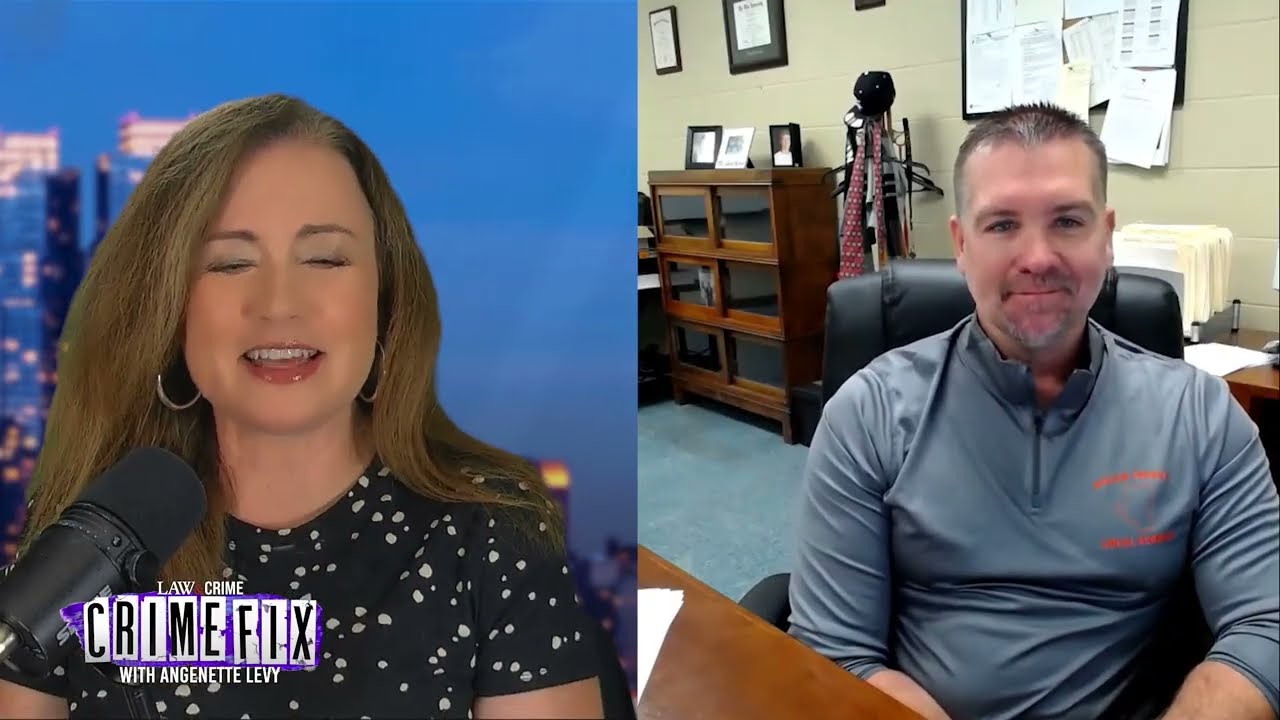 The superintendent has called for a return to the previous homeschooling requirements, including curriculum submission and annual assessments. He said the current system puts children at risk and undermines the purpose of public education.
“We need to be able to ensure that every child, whether they are in a school building or at home, is receiving a quality education,” he said. “Without that, we have no way to know if they are safe, if they are learning, or if they are being abused.”
As the CERS family awaits trial, the children remain in foster care. Their future is uncertain, but the case has already become a symbol of the failures in Ohio’s system of oversight for homeschooled children.
The district has filed truancy complaints against the Ciders parents, but those charges are now secondary to the child endangering case. The children, once enrolled in online school, are now a powerful reminder of what can happen when no one is watching.
The Gallia County Prosecutor’s Office has declined to comment on the case, citing the ongoing investigation. But the superintendent did not mince words.
“We have to do better,” he said. “For the sake of every child who is being homeschooled in Ohio, we need to find a way to ensure they are not falling through the cracks.”


