In an explosive revelation, hitmaker Hit-Boy has publicly confirmed a deep, unresolved rift with Nas after an unprecedented three-year silence between the two collaborators. Despite crafting six albums and over 80 songs together, including Nas’s Grammy-winning work, the legendary duo’s creative partnership has ended, sparking intense speculation and leaving fans stunned worldwide.
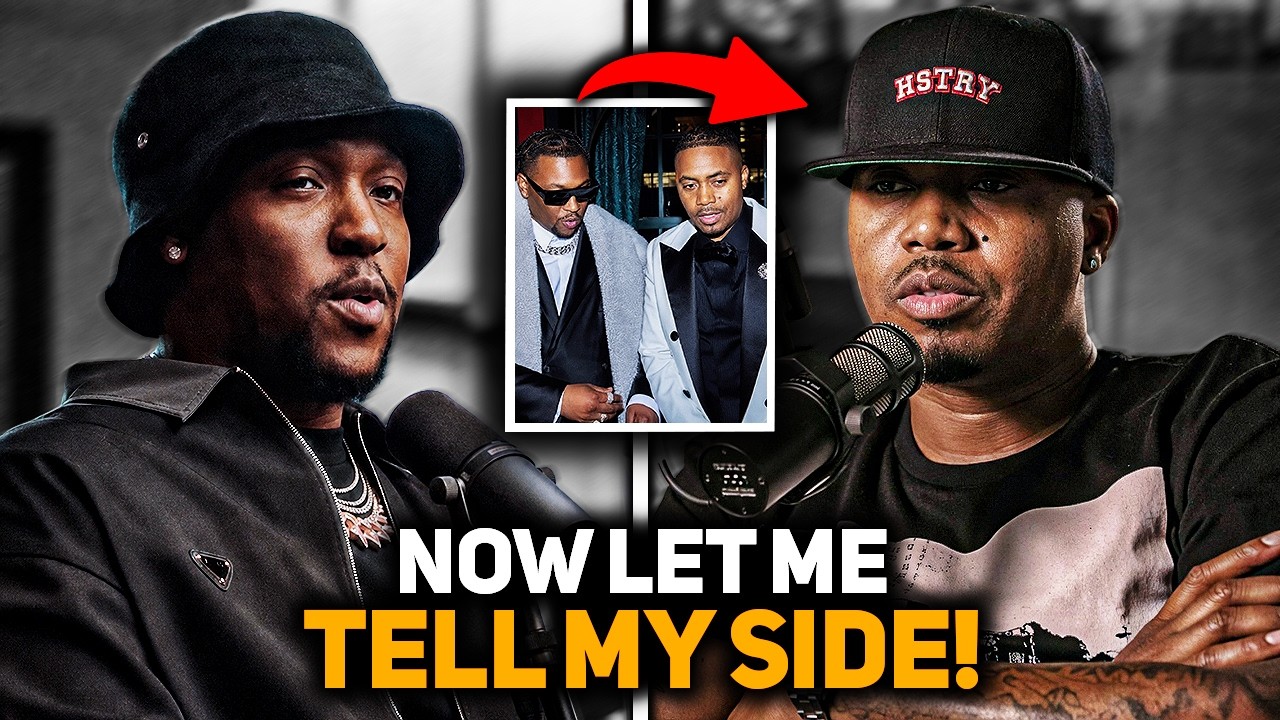 The music world is reeling after Hit-Boy dropped a bombshell on VladTV, admitting he hasn’t spoken to Nas in three years despite their remarkable collaboration. Together, they produced six albums and an astonishing 80 songs in just three years, transforming Nas’s late career with fresh sounds and critical acclaim. Yet, that prolific run has been met with sudden and puzzling silence.
Hit-Boy reluctantly revealed the partnership’s demise, emphasizing that the reasons behind their split run far deeper than public knowledge. Refusing to delve into specifics, he briefly acknowledged a “pretty deep” disconnect, leaving listeners hanging on the edge of a mystery that hints at far more than simple creative differences or scheduling conflicts.
The revelation rocked fans and industry insiders alike, as Nas and Hit-Boy’s six albums — a remarkable feat in itself — had reshaped the rapper’s sound, earning him his first Grammy. Their work on projects like the King’s Disease series revitalized Nas’s legacy, marrying veteran storytelling with modern beats crafted expertly by Hit-Boy’s production.
Shockingly, Hit-Boy also reminded viewers of his old criticism toward Nas’s beat selection following Illmatic, calling him “the worst beat picker of all time” at one point, a jab that seemed to haunt their creative relationship. Yet, he credited their collaboration with finally establishing trust and synergy on a whole new level.
This sudden public airing of tension contrasts sharply with Nas’s response, who remained measured and cryptic. While accepting a prestigious BMI Icon Award shortly after Hit-Boy’s interview, Nas delivered a speech that many interpreted as a thinly veiled message aimed at the ongoing 𝒹𝓇𝒶𝓂𝒶—declaring, “It’s all about unification and love,” while throwing a subtle jab at “suckers,” without naming Hit-Boy directly.
Nas’s speech, imbued with themes of struggle, unity, and respect for hip-hop’s roots, offered no direct explanation but intensified fan speculation. The timing—coming immediately after Hit-Boy’s interview on VladTV, a platform where Nas himself faced past criticism—fueled rampant theories about the nature of their fallout and the underlying tensions.

Despite the silence and mysteries, neither Has nor Hit-Boy engaged in public mudslinging. Instead, the producer gave respectful nods to what they accomplished together, signaling no ongoing feud but rather a quiet conclusion to a significant chapter in both their careers. This rare restraint left the industry guessing but craving answers.
Industry insiders speculate multiple layers behind the split—from business conflicts, creative differences, to personal grievances. One rumor suggests Hit-Boy’s desire for Nas to collaborate with his father, Big Hit, may have introduced friction. However, none of these remain confirmed, maintaining the fog of uncertainty that surrounds the fallout.
Whatever the truth, the abrupt end of one of hip-hop’s most successful partnerships underlines the complexity of artistic collaborations at the highest level. What began as a seemingly perfect synergy producing award-winning music has transformed into a silent chasm filled with unanswered questions and palpable tension.
As the public digests these developments, the broader implications for Nas’s career trajectory and Hit-Boy’s future remain unclear. Fans and critics are left to ponder: will the two legends ever mend fences and reunite? Or is this the definitive close of an era in hip-hop history?
For now, both artists are moving forward separately, each carrying the weight of their shared legacy. Hit-Boy’s candidness has shattered the illusion of an unbreakable bond, and Nas’s reserved response has shifted the narrative to one of quiet reflection rather than confrontation.

The story’s unfolding marks a rare glimpse behind the curtain of a top-tier rapper-producer duo’s relationship, reminding the world that success and acclaim do not guarantee longevity or harmony. In the brutally competitive music business, even prolific partnerships face challenges that remain hidden until a breaking point is reached.
This revelation arrives amid an intensely scrutinized moment in hip-hop, where collaborations define careers and break new artistic ground. The Nas-Hit-Boy breakdown serves as a stark reminder: creative chemistry alone can’t always withstand the pressures of fame, business, and unspoken grievances.
As social media buzzes with speculation and debates about the cause and impact, the silence from Nas is deafening. His carefully crafted public message leaves room for interpretation but no clear closure, intensifying the intrigue around one of the most significant rifts of recent times.
Hit-Boy’s choice to reveal this deeply personal fracture on VladTV—where probing questions are known to push the envelope—amplified the fallout’s shockwaves. This platform brought latent issues into sharp focus, elevating what might have been a private split into a public spectacle demanding answers.
Behind the scenes, the silence between Nas and Hit-Boy for three years starkly contrasts their previous creative closeness, making fans question whether professional respect remains or if personal estrangement has spilled into their public personas. The quiet between them speaks volumes.

Despite speculation, the absence of public hostility or finger-pointing suggests this split, though painful, may not be rooted in animosity but in an irreparable drift—where the end of a professional phase naturally gave way to separate paths diverging in silence.
As this story develops, the industry watches closely for any signs of reconciliation or further insights. For now, the respect for their artistry coexists with an unresolved tension, and their silence invites more questions than answers about what truly severed one of hip-hop’s most talked-about collaborations.
The Nas-Hit-Boy fallout epitomizes the fragile nature of creative partnerships, showing how remarkable artistic success does not always translate into lasting personal or professional bonds. Time will tell if this divide remains permanent or opens the door for future collaboration.
In the meantime, Nas’s iconic BMI speech stands as a sophisticated stance amid controversy—avoiding direct confrontation while reminding the world of hip-hop’s larger cultural significance and his enduring legacy shaped, in part, by his work with Hit-Boy.
This saga underscores a critical lesson in the music industry: behind every hit and every award are complex relationships subject to change. The story of Nas and Hit-Boy clarifies that artistic greatness can co-exist with unresolved conflicts hidden from the public eye until a moment of truth arrives.
Fans and insiders alike now await further clarity, but until either Nas or Hit-Boy fully unpacks their story, their six-album legacy remains both a symbol of brilliance and a poignant reminder of the quiet endings that follow the spotlight’s glare.