The internet is ablaze after Beyoncé released a deeply personal video documenting the eight-year journey of her husband Jay-Z’s locs, a move that has simultaneously silenced long-standing rumors and reignited public scrutiny over the couple’s recent business decisions. The footage, posted to Beyoncé’s social media platforms, shows the meticulous process of Jay-Z’s stylist combing out his mature locs, a transformation that took several days to complete. This visual proof directly contradicts years of speculation that the rapper and business mogul was wearing a wig, a toupee, or hair extensions.
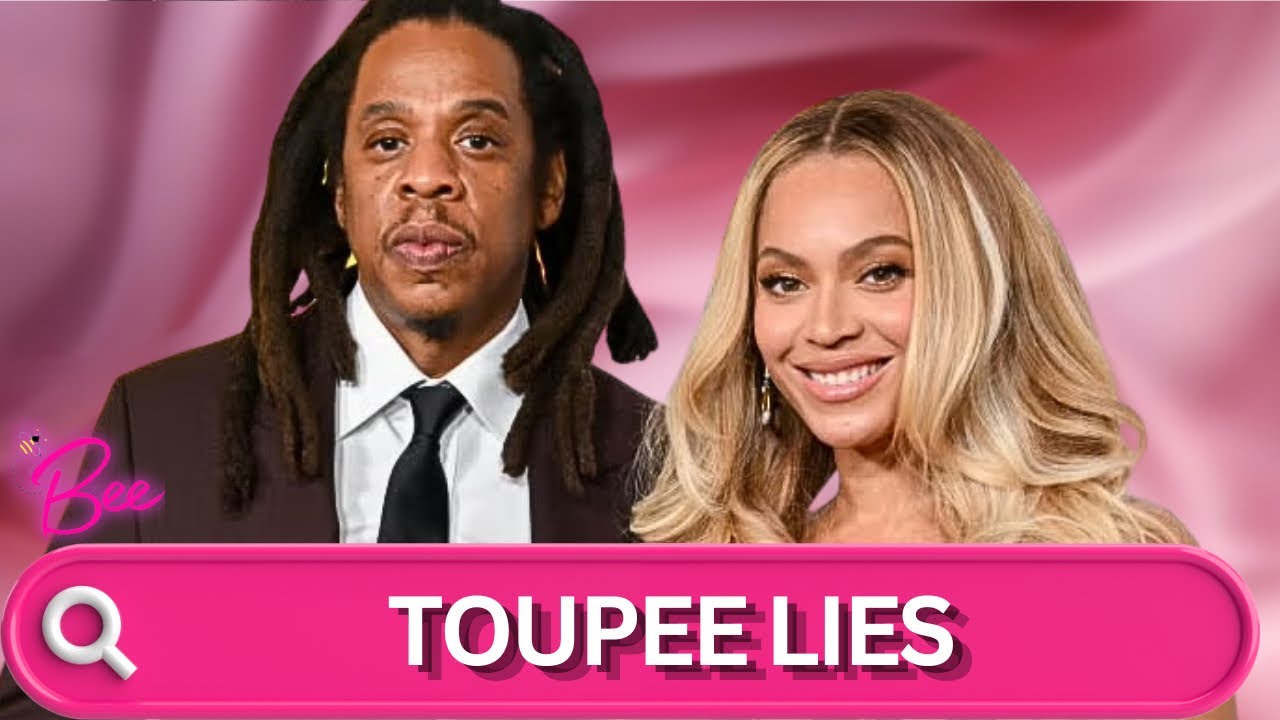 For years, critics and fans alike have questioned the authenticity of Jay-Z’s hair, with accusations ranging from lace fronts to elaborate weaves. The video, however, leaves little room for doubt. It captures the raw, unedited reality of his natural hair being carefully unraveled, revealing a full, thick afro beneath. Beyoncé’s narration emphasizes that this is all his own hair, a direct challenge to the “old rumors” that have dogged her husband for the better part of a decade.
The documentary-style video does more than just debunk hair myths; it provides a profound emotional context for Jay-Z’s decision to grow his locs in the first place. Beyoncé revealed that the journey began when their daughter, Blue Ivy, was around five years old and struggling with her own natural hair. Facing bullying and self-esteem issues, the young girl questioned why her hair didn’t look like everyone else’s. Jay-Z, according to Beyoncé, decided to grow his hair out as a powerful, silent act of solidarity.
This revelation has shifted the narrative from mere celebrity gossip to a touching family story. Beyoncé explained that Jay-Z wanted to show Blue Ivy that it was okay to love and embrace her natural texture. The eight-year commitment was a father’s demonstration of love and acceptance, a physical representation of support for his daughter during a vulnerable time. The video shows the locs being taken down specifically so Jay-Z could rock a large afro at his upcoming Roots picnic concert.
The timing of the video’s release is seen by many as a calculated response to persistent online mockery. For years, social media users and even some fellow celebrities have questioned the rapper’s hairline and texture. The video serves as a definitive, visual rebuttal, forcing those who doubted to confront the truth. However, while the emotional story has won over many hearts, it has not erased the memory of Jay-Z’s controversial partnership with Target.
 Just last week, Jay-Z faced significant backlash for collaborating with the retail giant, which recently rolled back its Diversity, Equity, and Inclusion programs. The Black community had been actively boycotting Target over this decision, and Jay-Z’s partnership was seen by many as a betrayal. Social media commentators are now making it clear that while they appreciate the hair documentary, they have not forgotten this corporate move. “Jay-Z, you don’t get no pass for that, sir,” one user wrote, echoing a sentiment shared by thousands.
The video itself is a masterclass in strategic narrative control. It is not just a hair tutorial; it is a carefully crafted piece of content that ties together personal history, product placement, and reputation management. Throughout the footage, Beyoncé highlights the use of her own haircare line, Sacred, showing the products being applied to Jay-Z’s scalp. This has led to accusations that the entire documentary is a promotional stunt disguised as a heartfelt confession.
Critics have pointed out that the video feels reminiscent of other carefully orchestrated Carter family reveals, where personal moments are leveraged to drive business and silence detractors. One commentator noted that it “felt like it was just a promotional video for this new product,” comparing it to past marketing strategies. Despite the cynicism, the production value and emotional weight of the story have made it difficult to dismiss entirely.
The seven-minute mini-documentary details the entire takedown process, which took seven days. Viewers see Beyoncé herself greasing Jay-Z’s scalp and giving him cornrows, a level of intimacy rarely shared with the public. The stylist explains the rigorous care routine, including how often Jay-Z washed, conditioned, and moisturized his locs. This level of detail was clearly intended to put the “lace front” rumors to rest once and for all.
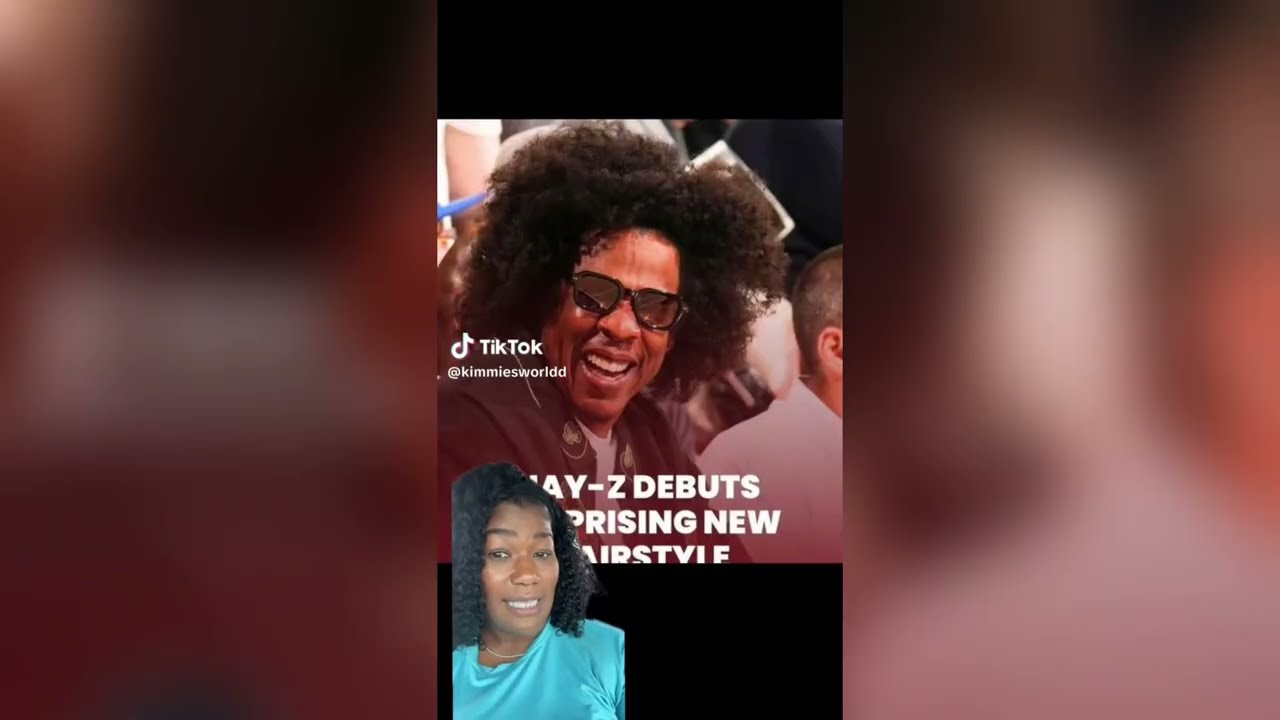
The reaction online has been a mixed bag of admiration, skepticism, and lingering anger. Many fans have praised the couple for turning a negative narrative into a beautiful story of fatherhood and self-love. Others, however, remain focused on the business controversies. The phrase “we have not forgot” has trended alongside the video, a clear signal that while the hair debate may be settled, the trust deficit regarding Jay-Z’s corporate alliances remains wide open.
Blue Ivy’s role in this story cannot be overstated. The video directly addresses the cruel comments made about her hair when she was a child, comments that Beyoncé implies led to her daughter’s insecurity. By sharing this, the Carters are publicly holding a mirror up to the internet’s cruelty, forcing a conversation about how public figures, especially children, are treated online. The video serves as a powerful counter-narrative to the years of bullying.
This is not the first time the Carters have used a slow-burn strategy to address rumors. Historically, they have allowed speculation to fester before releasing music or visuals that subtly or directly address the gossip. This hair documentary follows that same pattern, waiting for the noise to reach a peak before delivering a definitive, visual answer. It is a tactic that has earned them respect for their patience and strategic thinking.
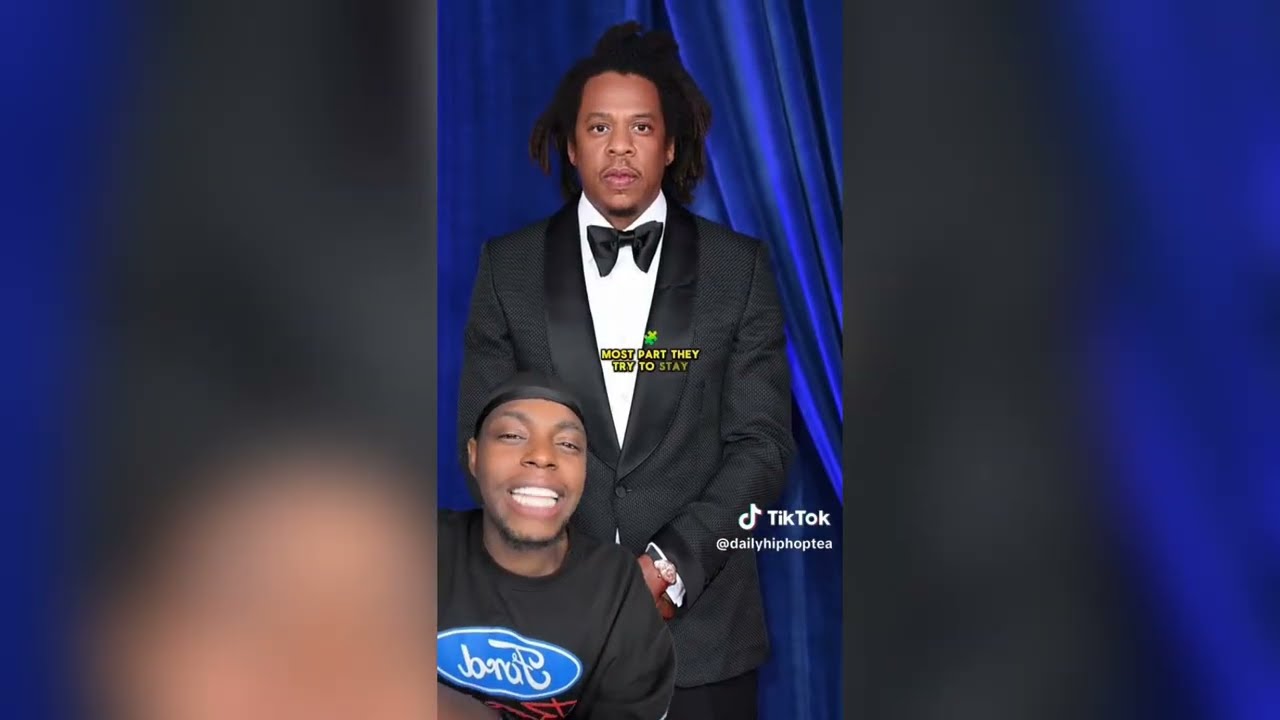 However, the shadow of the Target deal looms large over this moment. For many in the Black community, supporting a company that has dismantled its DEI initiatives is a non-negotiable line. Jay-Z’s decision to partner with Target, despite the boycott, has created a fracture that a heartwarming hair story cannot easily repair. Social media is flooded with comments that separate the personal story from the professional choices.
The video also highlights a broader cultural conversation about Black hair. For decades, Black men and women have faced scrutiny and discrimination over their natural hair. Jay-Z’s journey, from a close-cut style to eight years of locs and now to a full afro, mirrors a larger societal shift toward embracing natural textures. His decision to grow his hair for his daughter is a powerful statement in a world where Black children are often taught to conform.
As the dust settles, one thing is clear: the Carters have successfully controlled the narrative. The video has garnered millions of views and sparked countless discussions. It has provided closure on a long-standing rumor while opening a new chapter of dialogue about family, identity, and corporate responsibility. The internet is now divided between those who are moved by the story and those who are holding Jay-Z accountable for his business choices.
The question remains whether this emotional appeal will be enough to mend the public’s trust. For every person who says “I got a little soft” watching the video, there is another who says “I’m still side eyeing Jay-Z for that Target mess.” The Carters have proven they can silence a rumor, but winning back goodwill requires more than a well-produced documentary. It requires consistent action that aligns with the values they claim to champion.
Ultimately, this is a story of redemption, love, and accountability. Jay-Z’s hair may now be proven real, but the real test is whether his public persona can match the authenticity shown in that video. As one commentator put it, “They did this little mini documentary… and Beyonce so eloquently let us know why Jay-Z started growing out his hair. It’s because you hating ass people was bullying a little girl.” The truth is now out, but the conversation is far from over.