Jeezy has broken his silence on the release of Black Mafia Family co-founder Demetrius “Big Meech” Flenory from federal prison, offering rare and deeply personal insight into the man behind the empire. In an exclusive clip obtained by the Nation of Podcastation, the Atlanta rap icon described Big Meech not as a 𝒹𝓇𝓊𝑔 kingpin but as a genuine music lover and a “stand-up guy” who would have been a rapper if given the chance.
The comments come as Big Meech transitions from a federal halfway house following a decades-long sentence for 𝒹𝓇𝓊𝑔 trafficking and money laundering. Jeezy, whose own career exploded in the mid-2000s with hits like “Soul Survivor,” was one of the first artists affiliated with the BMF movement in the early 2000s. His words carry weight in a hip-hop community that has long debated the line between artistry and street credibility.
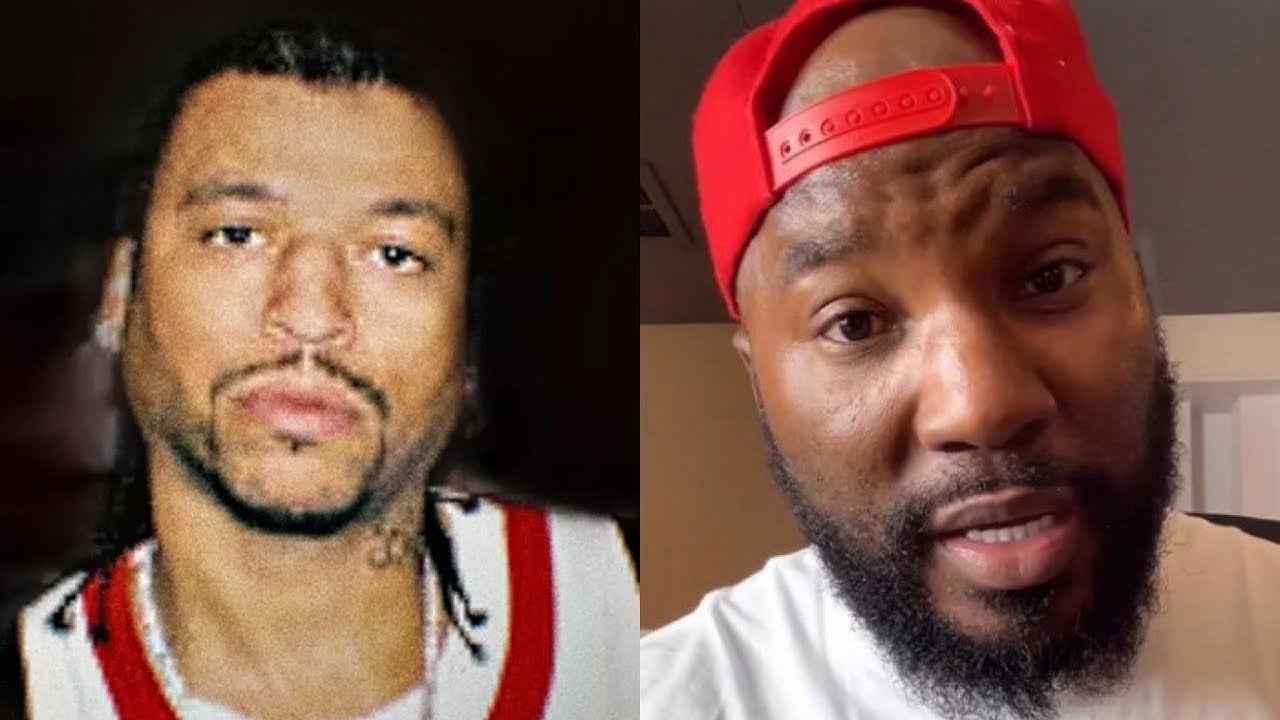 “Because he cared, my nigga,” Jeezy said in the recording, his voice carrying a mix of reverence and nostalgia. “Like he really did. Like if anything, he’s a genuine dude, and I just think he always wanted to see people in a better place.”
The rapper recalled riding through Atlanta with Big Meech in the early days, playing new music from the studio while they smoked and listened for hours on end.
Jeezy described a routine that sounds almost mundane—waking up at 9 a. m. to listen to music until it was time for the club at midnight.
“When I say all day, I mean until it’s club time,” he said. “He’d get up at 9 a. m.
and play music until 12:31. Time to go to the club.” That daily immersion in hip-hop culture, Jeezy insisted, was the real Big Meech—a man who wanted to shine, but only through the lens of the music business.
The rapper’s account stands in stark contrast to the federal case that brought down BMF in 2005. Evidence presented at trial detailed a massive 𝒹𝓇𝓊𝑔 trafficking organization that moved hundreds of kilograms of cocaine across the country. But Jeezy was adamant that his relationship with Big Meech was strictly musical.
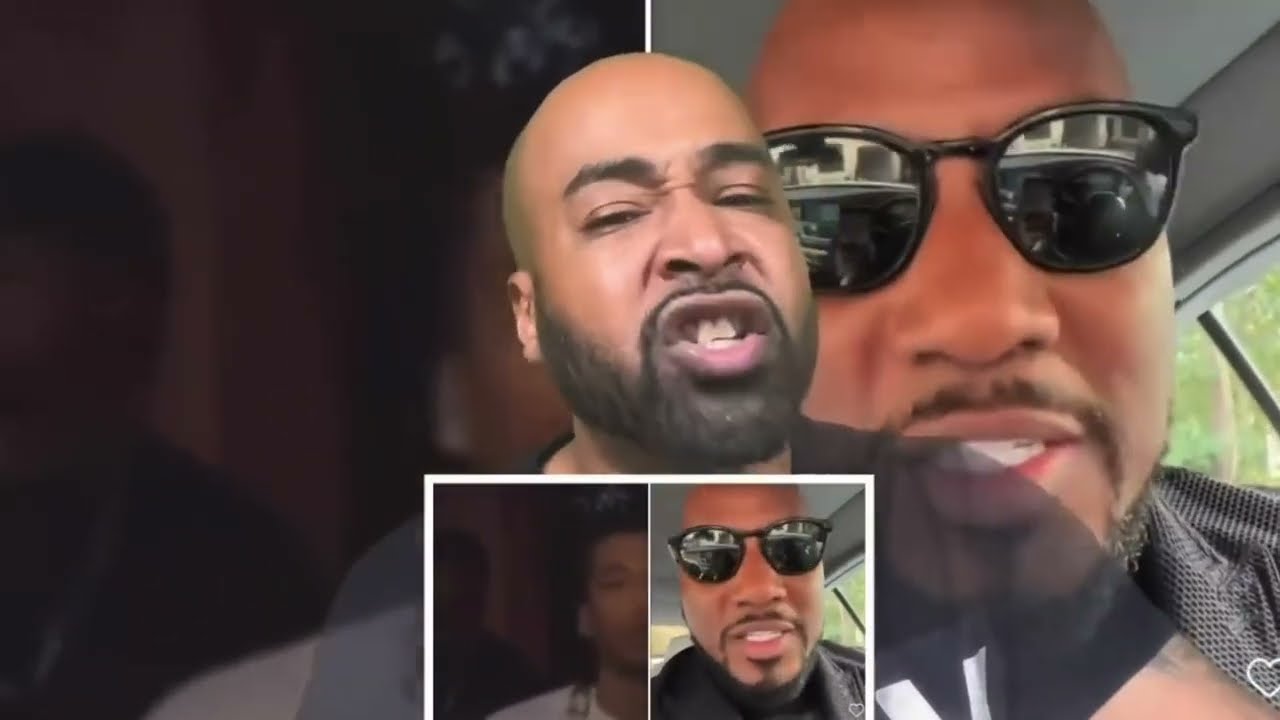 “None of that type of business that was going on,” he said in the podcast, echoing past statements where he distanced himself from any illegal activities.
That distancing became more pronounced after Big Meech’s arrest. Jeezy watched as other figures in the hip-hop world faced scrutiny over their ties to BMF, and he made a calculated move to preserve his career. “He didn’t want to go down involved in that either,” the podcast host noted in the transcript.
Yet now, a decade and a half later, Jeezy feels safe enough to speak openly about the man he once rode with.
The timing of Jeezy’s remarks is significant. Big Meech was released from federal custody in January 2025 after serving the majority of his 30-year sentence. He is currently in a halfway house awaiting formal release, and the hip-hop community has been buzzing with speculation about his next move.
Some expect a full pivot to the music industry, fulfilling the mogul ambitions he once promoted through BMF Records.
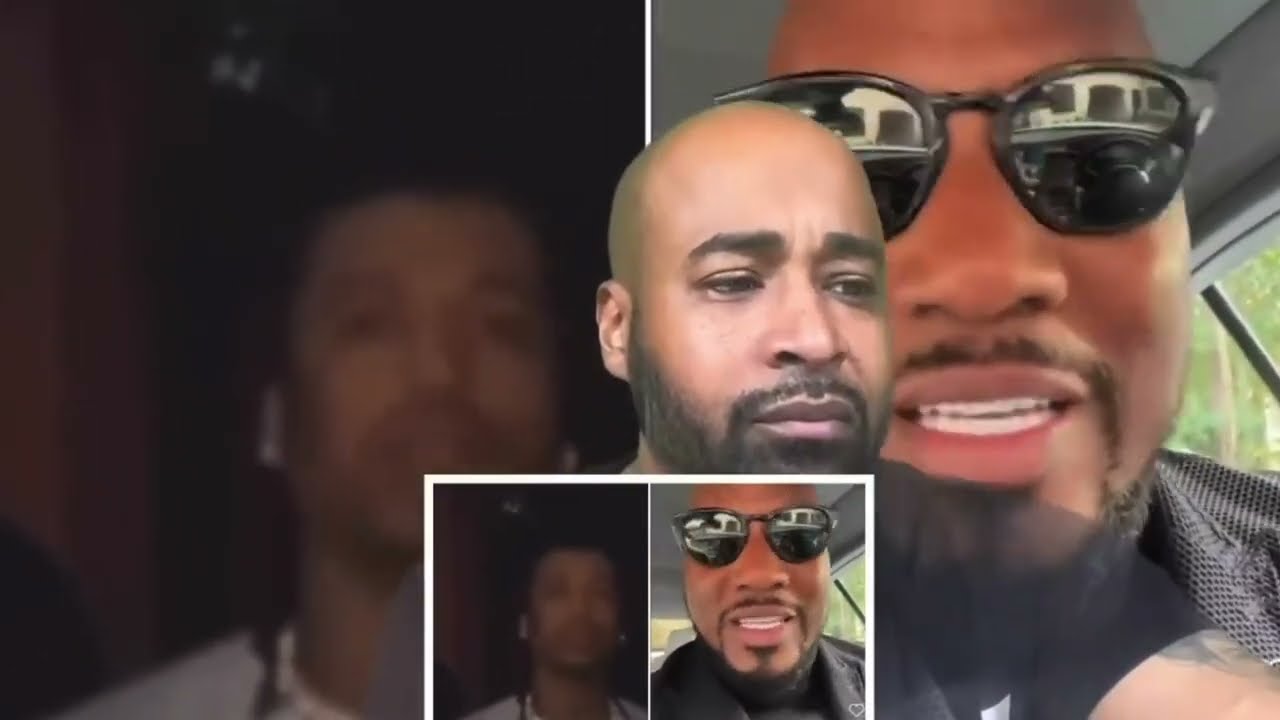 Jeezy’s comments reinforce that narrative. “I tell anybody if that nigga could rap, he would be a rapper,” Jeezy said. “Like he was that type of nigga.
He just always wanted—like he know how to shine. He just wanted to get his shine on.” That desire to shine never left Big Meech, even as he sat behind bars, and Jeezy believes the public is only now seeing the true character of a man who built a legend from the streets.
The podcast host, O’Shea, who conducted the interview, called the revelations a “standup” testament to Big Meech’s character. “He always wanted to have fun, always was a real dude,” O’Shea said. The host urged listeners to share their thoughts, noting that Jeezy’s perspective offers a rare humanizing portrait of a figure often reduced to headlines and crime stats.
For Jeezy, the memories are vivid. He described going to Big Meech’s house, sitting on the porch, smoking weed, and playing music all day. “We would do shit and come from the studio and get in the car with him, ride and smoke and listen to that shit and just trip,” he recalled.
“He would just be like, ‘Ah, nigga.’ He said he loved it.” That organic love for music, Jeezy insisted, was the foundation of their bond.
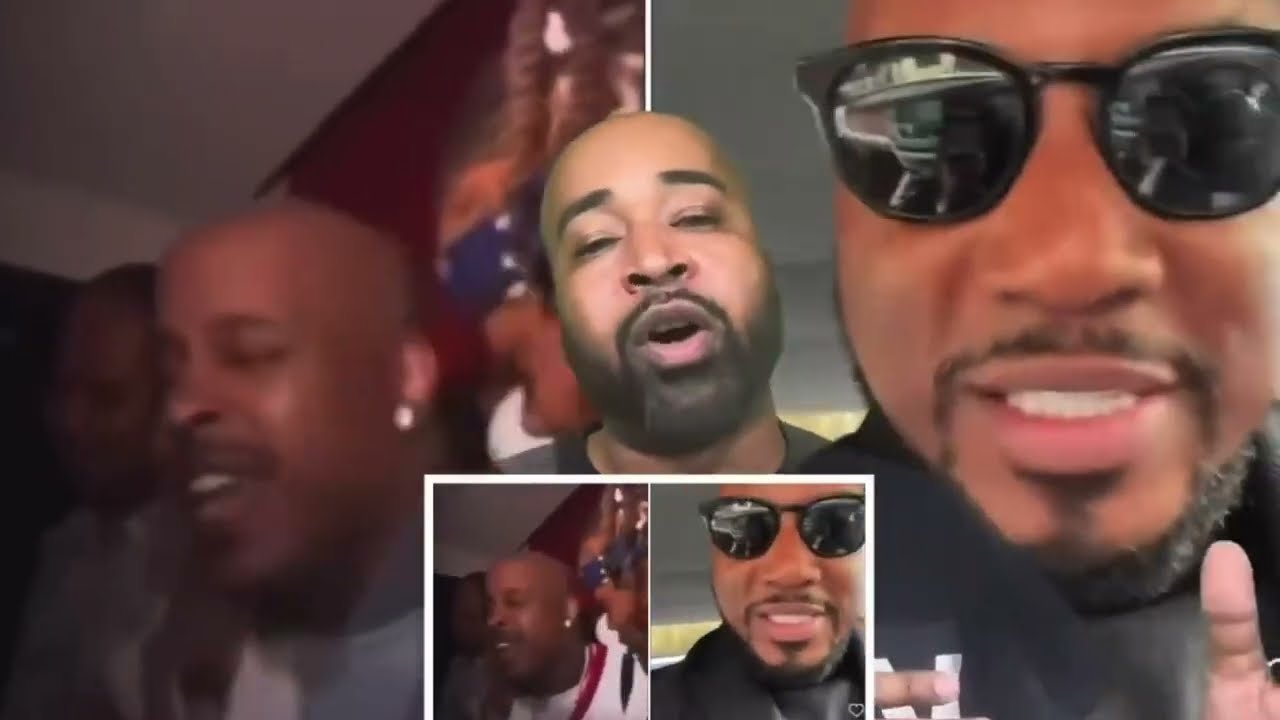 But the shadow of BMF’s criminal enterprise looms large. The podcast host acknowledged that the organization’s efforts to transition into legitimate hip-hop—“We saw the ads in The Source magazine”—were ultimately derailed by the federal crackdown. “They were trying to change that over to more hip-hop based instead of the other stuff,” O’Shea said.
“But unfortunately, the 𝒹𝓇𝓊𝑔 trafficking and money laundering got caught up with him.”
Now that Big Meech is out, the question is whether he can finally achieve the legitimate shine he always craved. Jeezy’s glowing testimonial adds a new dimension to that possibility, offering a glimpse of a man who, behind the legend, just wanted to make music. The rapper’s words serve as a reminder that even in the world of organized crime, a passion for art can persist.
As the hip-hop world watches Big Meech’s next steps, Jeezy’s reaction stands as a powerful endorsement. It signals that the former kingpin may have allies in unexpected places—and that the line between the streets and the studio might be thinner than many think. For now, the Nation of Podcastation audience is left to debate: Is Jeezy’s praise a sign of genuine friendship, or a calculated move to align with a returning icon?
Either way, one thing is clear: Big Meech’s federal prison release has ignited a conversation that will ripple through the culture for years to come. And Jeezy, for his part, has made sure his voice is heard. The clip, which has already gone 𝓿𝒾𝓇𝒶𝓁, captures a moment of raw honesty that fans and critics alike will analyze for weeks.
What is certain is that the bond between two men who rode the waves of Atlanta’s early 2000s rap scene remains unbroken—even after time, distance, and federal steel.


